
Microsurgery in Plastic Surgery
- Home
- Blog
- Microsurgery in Plastic Surgery
“Tiny Tools, Transformative Results: Why Choose Microsurgery?” Advanced Precision Care at APTA Clinic
When most people hear “plastic surgery,” they think of aesthetics. But in the world of reconstructive surgery, the real magic happens under a lens. Microsurgery is the high-tech frontier where surgeons operate on structures so small they are nearly invisible to the naked eye.
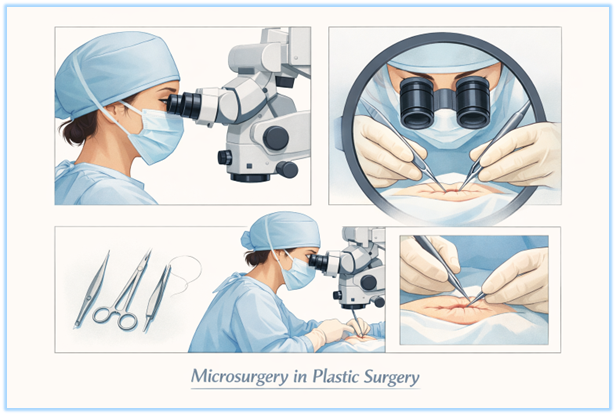
Plastic surgery has evolved tremendously over the last few decades, and one of the most revolutionary advancements in this field is microsurgery. Microsurgeries in plastic surgery involve highly specialised procedures performed using operating microscopes and ultra-fine instruments to repair tiny blood vessels, nerves, and tissues. At APTA Clinic, we combine expertise, advanced technology, and patient-centered care to deliver outstanding reconstructive and aesthetic outcomes.
Begin your aesthetic evolution with APTA Clinic. Sculpting strength and function by board-certified plastic surgeon Dr. B. Akshata Kamath.”
What Is Microsurgery in Plastic Surgery?
Microsurgery is a specialised technique where surgeons operate on structures that are often just 1–2 millimeters in diameter. Using high-powered microscopes, delicate sutures thinner than a strand of hair, and precision instruments, surgeons reconnect:
- Tiny blood vessels
- Nerves
- Lymphatic channels
- Soft tissues
This technique is especially valuable in reconstructive plastic surgery, where restoring both function and appearance is essential.
Why Microsurgery Is a Game-Changer?
Traditional surgical methods are effective for many conditions, but microsurgery allows surgeons to achieve levels of precision that were previously impossible. The ability to reconnect small vessels ensures proper blood supply to transplanted tissues, significantly improving healing and long-term success rates.
At APTA Clinic, microsurgical procedures are performed with meticulous planning and advanced imaging support to ensure safety, accuracy, and optimal results.
Common Microsurgical Procedures in Plastic Surgery
1. Reconstructive Surgery After Trauma
Accidents, burns, or crush injuries can cause extensive tissue damage. Microsurgery enables surgeons to:
- Reattach severed fingers or limbs
- Restore blood flow in damaged areas
- Repair injured nerves
This helps patients regain movement, sensation, and confidence.
2. Cancer Reconstruction
After tumour removal, especially in breast, head, or neck cancers, reconstruction is often necessary. Microsurgical free flap procedures involve transferring tissue (skin, muscle, or bone) from one part of the body to another while reconnecting blood vessels under a microscope.
This ensures natural-looking reconstruction with improved functional outcomes.
3. Peripheral Nerve Repair
Nerve injuries can lead to numbness, weakness, or loss of movement. Microsurgery allows precise nerve repair or grafting, promoting nerve regeneration and functional recovery.
4. Lymphedema Surgery
Advanced microsurgical techniques can reconnect lymphatic channels to reduce swelling and improve lymphatic drainage, offering relief to patients suffering from chronic lymphedema.
5. Complex Wound Reconstruction
Chronic wounds, diabetic ulcers, and large tissue defects require advanced solutions. Microsurgical tissue transfer provides healthy, well-vascularised tissue to promote healing.
Benefits of Microsurgery
Microsurgery offers numerous advantages:
- Enhanced precision
- Improved tissue survival
- Better cosmetic results
- Faster healing
- Restoration of function
- Reduced complication rates
Patients experience not just physical healing but emotional recovery as well. From pain to precision restore it with APTA Clinic where Dr. B. Akshata Kamath is the best certified plastic surgeon at APTA Clinic.”
Technology Used in Microsurgery at APTA Clinic
At APTA Clinic, we utilise:
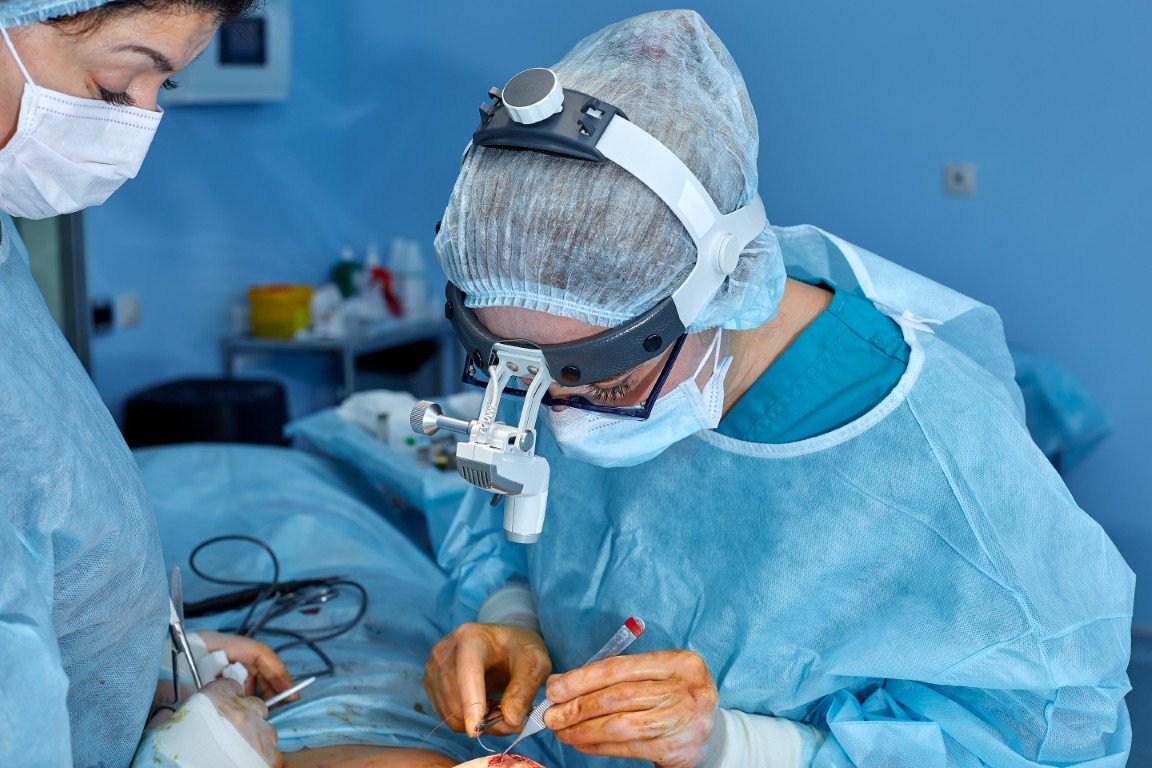
- High-resolution operating microscopes
- Advanced surgical instruments
- Precision suturing materials
- State-of-the-art monitoring systems
Our approach ensures that each microsurgical procedure meets the highest standards of safety and excellence.
If you are looking for the best plastic surgeon in Mysore, APTA Clinic is your best choice.
Who Needs Microsurgery?
Microsurgery may be recommended for individuals who have:
- Severe trauma injuries
- Post-cancer reconstruction needs
- Congenital deformities
- Non-healing wounds
- Nerve damage
- Complex reconstructive requirements
A thorough consultation and evaluation determine the best treatment plan.
Microsurgical Process
Detailed Assessment
Each patient undergoes comprehensive examination and imaging studies to evaluate the extent of tissue damage or reconstruction needs.
Surgical Planning
Microsurgical procedures require meticulous planning, including identifying donor and recipient sites for tissue transfer.
Procedure
The surgery is performed under magnification to connect tiny blood vessels and nerves precisely.
Monitoring and Recovery
Post-operative monitoring ensures proper blood flow to reconstructed tissues. Rehabilitation and follow-up care support optimal recovery.
Recovery After Microsurgery
Recovery time varies depending on the complexity of the procedure. Patients may need:
- Hospital stay for monitoring
- Wound care management
- Physiotherapy
- Regular follow-up visits
Our team at APTA Clinic provides continuous support throughout the healing journey.
Why Choose APTA Clinic?
When considering plastic and reconstructive procedures, expertise matters. APTA Clinic is committed to delivering compassionate care combined with advanced surgical techniques. Our focus is not just on appearance but on restoring function, confidence, and quality of life.
At APTA Clinic, Dr. Akshata Bhamath is the best plastic surgeon for all kinds of micro surgeries.
At APTA we emphasise:
- Personalised treatment plans
- Transparent communication
- Advanced surgical infrastructure
- Ethical medical practices
- Comprehensive aftercare
Risks and Safety Considerations
Like any surgical procedure, microsurgery carries potential risks, including infection, bleeding, or flap failure. However, with skilled surgeons and proper post-operative monitoring, complication rates are significantly reduced. Choosing an experienced plastic surgeon trained in microsurgical techniques greatly improves success outcomes.
The Future of Microsurgery
The field continues to evolve with:
- Super-microsurgery (operating on even smaller vessels)
- Robotic-assisted microsurgery
- Improved nerve regeneration techniques
- Enhanced imaging systems
These advancements promise even better functional and cosmetic results in the years to come.
Conclusion
Microsurgeries in plastic surgery represent the pinnacle of surgical precision and innovation. Whether reconstructing tissues after trauma, restoring function after nerve damage, or performing advanced cancer reconstruction, microsurgery offers life-changing results.
Microsurgery is a transformative pillar of plastic surgery, involving the use of high-powered microscopes and precision tools to reconnect tiny blood vessels and nerves. This technique allows surgeons to perform complex tissue transfers, restoring both form and function to patients after severe trauma, cancer resections, or congenital defects.
At APTA Clinic, we combine expertise, advanced technology, and compassionate care to deliver outstanding outcomes. Your journey to healing, restoration, and renewed confidence begins with the right care and the right surgical expertise.