
Hair Loss Treatment in Mysore
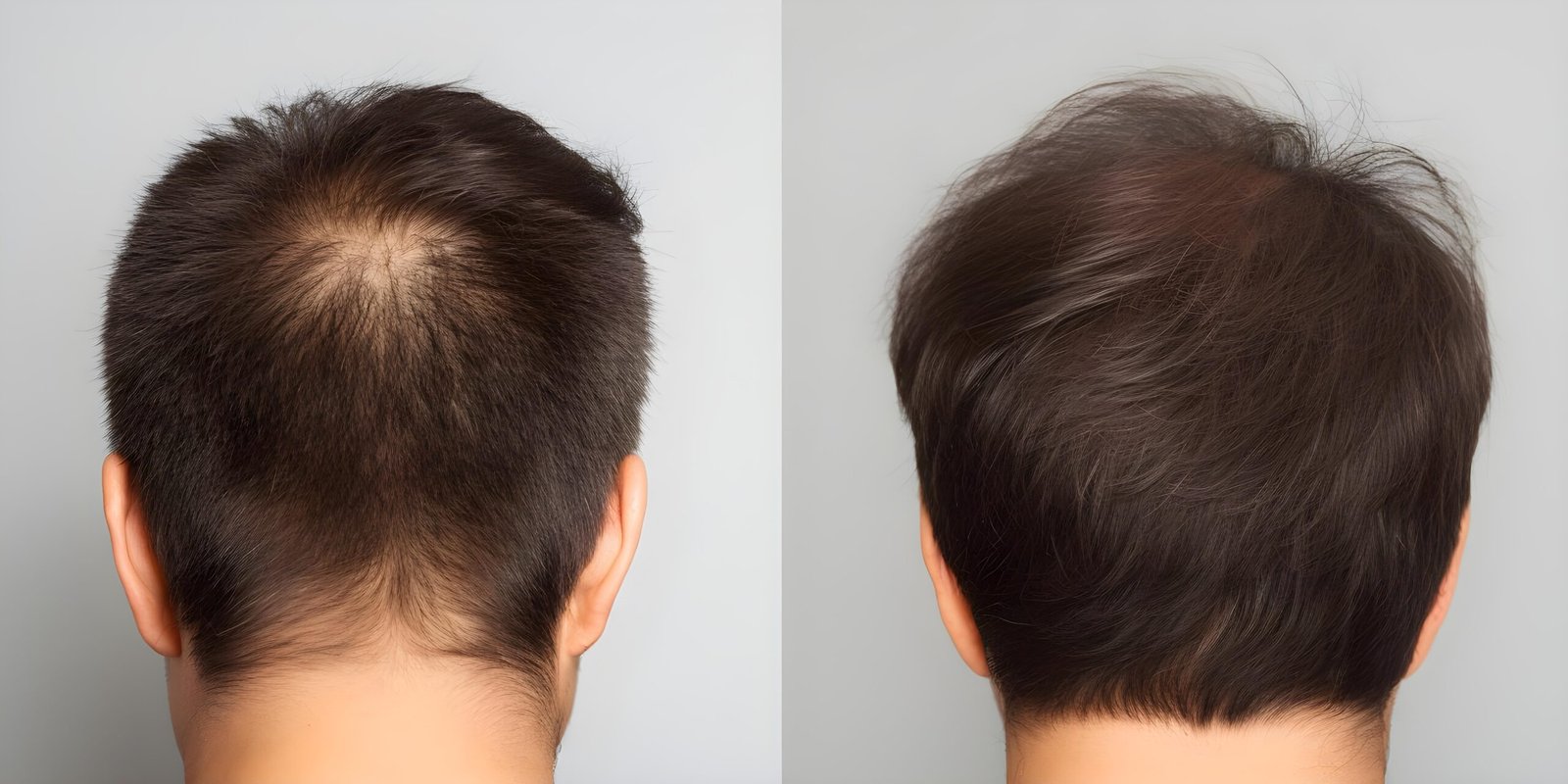
What is Hair Loss Treatments?
Hair Loss Treatment in Mysore involves medical or non-surgical procedures aimed at controlling, reversing, or preventing hair fall. These treatments address issues like thinning hair, receding hairlines, and patchy scalp conditions, which can result from genetics, stress, hormonal imbalances, or lifestyle factors. By targeting the root cause, effective hair loss solutions help restore both hair volume and confidence.
How Do We at APTA Treat It?
At APTA Clinic, we begin with a detailed scalp analysis to identify the exact cause of your hair loss. Depending on the diagnosis, we offer customized treatment plans that may include PRP (Platelet-Rich Plasma) therapy, mesotherapy, hair boosters, laser therapy, and medical-grade products. Each treatment is minimally invasive, clinically proven, and administered by experienced trichologists and dermatologists, ensuring safe and visible results.
Benefits of the Treatment
Natural Hair Regrowth
Stimulates dormant hair follicles using targeted therapies to promote thicker and fuller natural hair growth.
Non-Surgical and Safe
Offers a painless, non-invasive alternative to surgery with minimal downtime and no scarring.
Boosted Self-Confidence
Enhances appearance and restores a youthful look, leading to improved emotional well-being and self-image.
Why Choose APTA for Hair Loss Treatments?
APTA Clinic combines scientific precision with personalized care. Our expert team uses advanced diagnostic tools and evidence-based treatments tailored to your scalp and hair needs. With a strong track record of success, patient-first philosophy, and cutting-edge technology, we ensure you receive the most effective and comfortable treatment journey from consultation to results.
Make Appointment
Expert Guidance, One Appointment Away
Ready to take the next step toward looking and feeling your best? Schedule your consultation with APTA Clinic today. Our experienced specialists are here to guide you with personalized care and expert advice. Whether you’re exploring cosmetic options or seeking advanced treatments, we’ll help you choose what’s right for you. Book your appointment now and let’s begin your journey to enhanced confidence.
Email Address
aptaclinics@gmail.com
Phone Number
+91 7411 707 555
Open Hours
Mon - Sun: 10.30AM - 7.30PM
Office Location
Krishnamurthy puram, Mysore
Personalized Hair Loss Care for Healthier Growth, Stronger Hair & Confidence
Hair loss is a common concern that can affect people of different ages and genders. Losing a few strands of hair every day is normal, but persistent shedding, widening of the hair part, thinning at the crown, receding hairlines, or visible scalp can indicate an underlying hair-loss condition. Hair Loss Treatment in Mysore focuses on identifying the cause of hair loss and developing an individualized treatment plan to improve scalp and hair health.
Hair loss can occur for many reasons, including genetics, hormonal changes, nutritional deficiencies, stress, certain medications, scalp conditions, and medical disorders. Because different causes require different approaches, treating hair loss without identifying its underlying cause may not provide the desired results.
At APTA Clinic, a specialist can evaluate your hair and scalp, understand your concerns, and recommend suitable treatment options. If you are considering Hair Loss Treatment in Mysore, an early assessment may help identify progressive hair loss and determine an appropriate management strategy.
What Causes Hair Loss?
Hair loss can have many causes. Some types are temporary, while others can progressively affect hair density.
Common causes include:
- Hereditary or genetic hair loss
- Hormonal changes
- Nutritional deficiencies
- Physical or emotional stress
- Certain medications
- Thyroid-related conditions
- Scalp infections
- Autoimmune conditions
- Excessive hairstyling or chemical treatments
- Sudden weight loss
- Post-pregnancy changes
- Age-related changes
Identifying the cause is an important part of effective treatment. A specialist may evaluate the scalp, hair density, shedding pattern, medical history, lifestyle, and other relevant factors.
Signs You May Need Hair Loss Treatment
Hair loss can develop gradually, making early changes easy to overlook.
You may benefit from professional evaluation if you notice:
- Excessive hair shedding
- A widening hair part
- Thinning around the crown
- Receding hairline
- Reduced overall hair density
- Bald patches
- Increased scalp visibility
- Hair becoming progressively finer
- Persistent scalp itching or scaling
- Sudden or unexplained hair loss
Early evaluation can be particularly useful when hair loss is progressive because some forms of hair loss may become more difficult to manage as follicle density decreases.
Understanding the Hair Growth Cycle
Hair naturally goes through different stages of growth and shedding.
The main stages are:
Anagen Phase
This is the active growth phase. Hair follicles produce new hair and remain in this phase for an extended period.
Catagen Phase
This is a transitional phase in which active hair growth slows down and the follicle prepares for the resting stage.
Telogen Phase
During this resting phase, the old hair eventually sheds and the follicle may begin a new growth cycle.
Temporary increases in shedding can occur when a larger number of follicles enter the resting phase simultaneously. A specialist can determine whether your shedding pattern is within the expected range or requires evaluation.
Types of Hair Loss
Understanding the pattern of hair loss helps determine the appropriate treatment approach.
Male Pattern Hair Loss
Male pattern hair loss is commonly associated with genetic and hormonal factors. It may present as a receding hairline, thinning at the crown, or progressive reduction in hair density.
Female Pattern Hair Loss
Women may experience gradual thinning across the scalp, particularly around the central part. Hormonal factors, genetics, ageing, and other conditions may contribute.
Telogen Effluvium
Telogen effluvium can cause increased shedding following triggers such as significant stress, illness, nutritional deficiencies, surgery, or substantial weight changes.
Alopecia Areata
Alopecia areata can cause sudden, well-defined patches of hair loss. It is associated with an autoimmune process and requires appropriate medical evaluation.
Traction Alopecia
Repeated pulling from tight hairstyles can damage hair follicles and cause hair loss. Continuing the underlying cause may result in progressive follicular damage.
How Is Hair Loss Diagnosed?
Before Hair Loss Treatment in Mysore, the specialist generally evaluates your hair and scalp to understand the pattern and possible cause of hair loss.
The assessment may include:
- Medical history
- Family history of hair loss
- Scalp examination
- Hair density assessment
- Hair-pull or other clinical tests when appropriate
- Evaluation of hair shaft quality
- Review of medications
- Assessment of recent illnesses or stress
- Nutritional and hormonal considerations
In some cases, blood tests may be recommended to identify potential contributing factors.
A proper diagnosis helps avoid unnecessary treatments and allows the treatment plan to focus on the underlying problem.
What Treatments Are Available for Hair Loss?
There is no single treatment that works for every type of hair loss. Treatment depends on the cause, severity, duration, age, gender, and overall health of the patient.
Depending on the diagnosis, treatment may involve:
- Prescription or medically recommended medications
- Topical treatments
- Nutritional correction when deficiencies are identified
- Platelet-rich plasma therapy in selected cases
- Hair restoration procedures
- Scalp treatments
- Lifestyle and hair-care modifications
- Combination treatment approaches
Your specialist can explain which options are suitable for your condition.
Medical Treatment for Hair Loss
Some types of hair loss respond to medically supervised treatment.
Depending on the diagnosis, a specialist may recommend topical or oral medications. These treatments can help reduce hair loss or support hair growth in selected patients.
However, medication is not appropriate for everyone. Factors such as age, gender, medical history, pregnancy status, existing conditions, and current medications should be considered.
Do not start hair-loss medication without professional advice.
Platelet-Rich Plasma Therapy
Platelet-rich plasma, commonly known as PRP, is a treatment that uses components derived from the patient’s own blood.
A small blood sample is processed to concentrate platelets, and the resulting preparation is administered into selected areas of the scalp.
PRP may be considered for certain forms of hair thinning as part of a broader treatment plan.
The number of sessions varies depending on the patient’s condition and the specialist’s recommendations.
Hair Transplantation
For selected patients with permanent hair loss and sufficient donor hair, hair transplantation may be considered.
Hair transplantation involves moving individual hair follicles from a donor area to areas with insufficient hair density.
Common techniques include follicular unit extraction and other transplantation approaches.
Hair transplantation is different from treatments intended to reduce active hair shedding. The specialist must first determine whether the patient is a suitable candidate.
Nutrition and Hair Health
Nutrition plays an important role in maintaining healthy hair.
Deficiencies in certain nutrients may contribute to increased shedding or poor hair quality. Depending on the patient’s history and examination, the doctor may recommend appropriate investigations.
Nutritional supplements should not be taken unnecessarily. Excessive intake of certain vitamins and minerals can also cause health problems.
A balanced diet containing adequate protein, vitamins, minerals, and other essential nutrients can support overall hair health.
Medical Treatment for Hair Loss
Significant physical or emotional stress can sometimes contribute to temporary increased hair shedding.
Potential triggers include:
- Major illness
- Surgery
- Severe emotional stress
- Significant weight loss
- Sleep disruption
- Major lifestyle changes
When stress-related shedding occurs, addressing the underlying trigger is an important part of management.
Hair growth may take time to return to its previous pattern because follicles follow a natural growth cycle.
Hair Care Habits That Can Help
While hair-care habits cannot reverse every type of hair loss, gentle hair care can reduce unnecessary hair damage.
Helpful practices may include:
- Avoiding excessively tight hairstyles
- Limiting frequent chemical treatments
- Avoiding excessive heat styling
- Using gentle hair products
- Treating wet hair carefully
- Maintaining scalp hygiene
- Avoiding aggressive brushing
- Following professional scalp-care recommendations
These measures can help protect existing hair shafts from preventable damage.
Benefits of Professional Hair Loss Treatment
Seeking professional care can provide several advantages.
A specialist can:
- Identify possible causes of hair loss
- Distinguish temporary shedding from progressive thinning
- Assess scalp health
- Recommend appropriate treatment
- Monitor changes over time
- Modify treatment when necessary
- Discuss realistic expectations
- Identify when hair transplantation may be appropriate
The earlier a progressive hair-loss condition is evaluated, the more options may be available for management.
Is Hair Loss Treatment Safe?
The safety of treatment depends on the specific procedure or medication used.
Potential side effects vary between treatments. For example, medications may have specific contraindications or adverse effects, while procedures such as PRP or hair transplantation have their own risks.
Possible procedure-related effects can include:
- Temporary redness
- Swelling
- Tenderness
- Minor bleeding
- Infection
- Temporary scalp sensitivity
A qualified specialist should review the risks and benefits of each recommended treatment before proceeding.
What Results Can You Expect?
Results depend heavily on the cause of hair loss.
Some patients may experience reduced shedding, while others may see improved density or gradual new hair growth. Certain forms of permanent hair loss may require long-term management rather than complete restoration.
Hair grows slowly, so treatment results generally take time.
Patients should avoid expecting immediate changes and should follow the recommended treatment schedule consistently.
Choosing a Hair Loss Treatment Clinic in Mysore
Choosing the right provider is an important step when dealing with persistent hair loss. When searching for a Hair Loss Treatment Clinic in Mysore, consider the qualifications and experience of the specialist, diagnostic approach, available treatment options, clinical facilities, and follow-up care.
A reliable hair-loss treatment plan should begin with diagnosis rather than immediately recommending a procedure.
Consider:
- Qualified hair and scalp specialist
- Detailed scalp evaluation
- Personalized treatment planning
- Appropriate diagnostic assessment
- Evidence-based treatment options
- Transparent discussion of expected outcomes
- Proper clinical facilities
- Regular follow-up
Be cautious of clinics that promise guaranteed hair growth or instant results.
Why Choose APTA Clinic?
APTA Clinic provides trichology and hair restoration services with an individualized approach.
Hair loss can have different causes, and the treatment that works for one person may not be appropriate for another. For patients considering Hair Loss Treatment in Mysore, understanding the underlying cause is an important part of developing a suitable treatment plan.
The specialist can assess your hair and scalp, discuss your concerns, and explain available options based on your individual condition.
If you are looking for a Hair Loss Treatment Clinic in Mysore, APTA Clinic can provide a consultation to help you understand your hair-loss pattern, possible contributing factors, treatment choices, and realistic expectations.
Preparing for Your Hair Loss Consultation
Before your appointment, it can be helpful to note:
- When your hair loss began
- Whether it is sudden or gradual
- Areas where thinning is most noticeable
- Family history of hair loss
- Recent illnesses or major stress
- Recent weight changes
- Current medications
- Supplements you are taking
- Previous hair treatments
Bring details of previous investigations or treatments if available.
This information can help the specialist understand the progression of your hair loss.
Why Early Assessment Matters
Hair loss is easier to manage when its cause is identified early. Some forms of hair loss can progress gradually, and delaying evaluation may allow further reduction in follicle density.
Early assessment can help determine whether the hair loss is:
- Temporary
- Nutritional
- Hormonal
- Genetic
- Inflammatory
- Autoimmune
- Related to scalp conditions
- Associated with permanent follicular damage
Once the cause is identified, the specialist can recommend appropriate treatment and monitoring.
Book a Hair Loss Consultation
Persistent hair loss can affect appearance and confidence, but the right treatment begins with understanding why it is happening. Hair Loss Treatment in Mysore includes a range of approaches designed to address different causes and patterns of hair loss.
APTA Clinic provides personalized trichology and hair restoration care based on your scalp condition, hair-loss pattern, medical history, and individual goals. If you are searching for a Hair Loss Treatment Clinic in Mysore, a professional consultation can help identify the possible cause of your hair loss and determine which treatment options may be suitable.
Do not rely solely on unverified remedies or self-prescribed supplements. Contact APTA Clinic to schedule a consultation and take the first step toward a personalized approach to healthier-looking hair.
Frequently Asked Questions
Hair loss can result from genetics, hormonal changes, stress, nutritional deficiencies, medical conditions, scalp disorders, medications, ageing, or physical damage to the hair follicles. Identifying the underlying cause is important for appropriate treatment.
Consider professional evaluation if you notice persistent excessive shedding, visible scalp, widening of the hair part, receding hairline, bald patches, or progressive thinning. Sudden or unexplained hair loss should also be assessed.
The possibility of reversal depends on the cause. Temporary shedding may improve after the underlying trigger is addressed, while some forms of permanent hair loss may require long-term treatment or hair transplantation.
No. PRP may be considered for selected types of hair thinning, but it is not suitable for every condition. A specialist should assess the cause and severity of hair loss before recommending PRP.
Hair grows gradually, so treatment usually requires patience and consistency. The timeline varies depending on the underlying cause, treatment method, and individual response.
Yes. Certain nutritional deficiencies can contribute to hair shedding or poor hair quality. However, supplements should only be taken when appropriate because excessive supplementation can also cause problems.
Look for qualified specialists, proper scalp evaluation, personalized treatment planning, appropriate diagnostic options, transparent communication about results, suitable facilities, and ongoing follow-up.