
Diabetic Foot Care Clinic in Mysore
- Home
- Diabetic Foot Care Clinic in Mysore
Diabetic Care
Comprehensive Diabetic Foot Care You Can Trust
Apta Clinic is one of the first Diabetic Foot Care Clinic in Mysore centers dedicated to the prevention and treatment of diabetic foot conditions. Diabetes affects much more than blood sugar levels or diet. When diabetic wounds develop, they can lead to serious complications if not treated at the right time. Around the world, diabetes leads to the loss of one lower limb every minute — and most often, it begins with a small wound or ulcer that does not heal properly.
With over 75 million diabetics in India, proper foot care is extremely important.
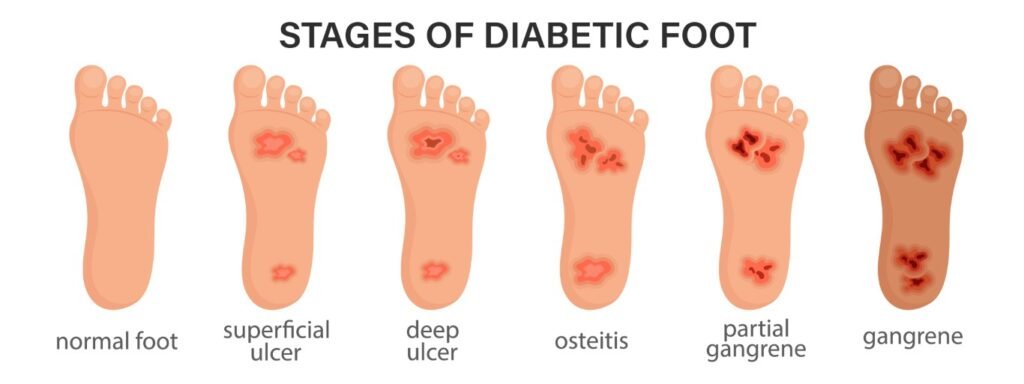
Types of Diabetic Wounds
Every wound in a diabetic patient should be taken seriously and assessed by a wound care specialist at the earliest. It is important to regularly observe the skin on your feet and lower legs for any changes.
Diabetic wounds generally fall into two major types:
- Infections affecting the foot and lower leg
- Chronic, long-standing ulcers usually found on the back of the foot
Foot infections are considered medical emergencies and need immediate treatment.
Chronic ulcers are typically treated through specialized surgical techniques that address the root cause by correcting internal pressure and weight-bearing balance in the foot.
If you notice wounds, slow healing, or changes in skin condition, we recommend consulting our Diabetic Foot & Wound Care Specialist at Apta Clinic, Mysore.
Treatment for Diabetic Wounds & Ulcers
For diabetic wounds, the core approach begins with good diabetes control. At Apta Clinic, our aim is to protect and preserve the health of your lower limbs.
If a wound or ulcer becomes complicated, we offer several individualized treatment options. Some of the treatments available include:
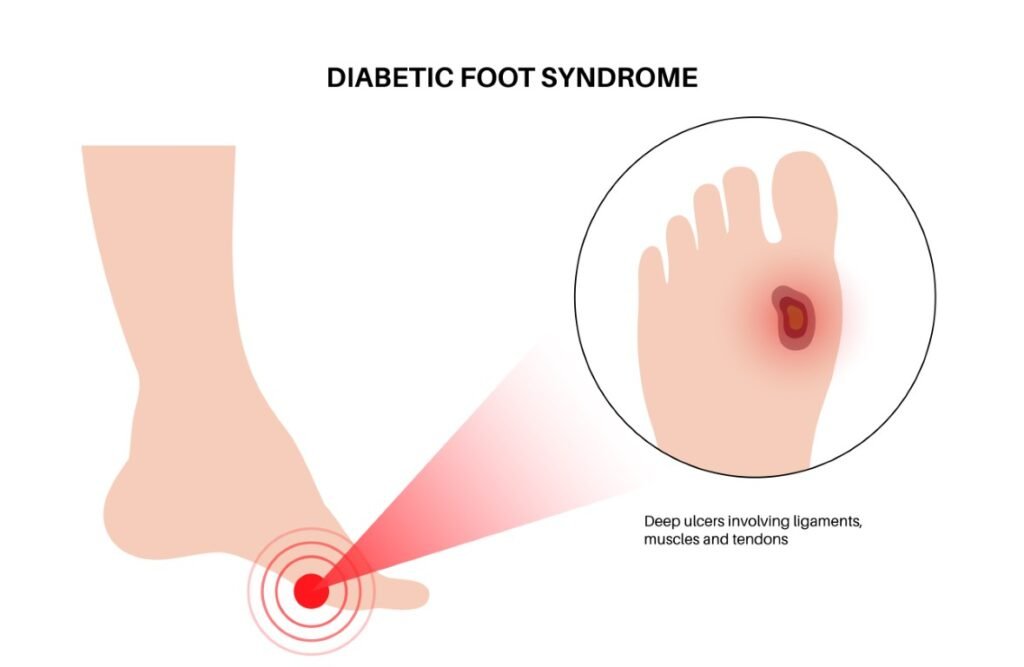
Compression Therapy
Nerve Conduction Study
Debridement
Internal pressure offloading surgeries
Negative Pressure Therapy
Lymphedema Therapy
Skin Grafts
Flap surgery
Edema Control
Your Care Starts Here
Comprehensive Diabetic Foot Care for Healthier Feet
Living with diabetes requires more than controlling blood sugar levels. One of the most serious complications of diabetes is diabetic foot disease, which can lead to wounds, ulcers, infections, nerve damage, and even limb loss if not treated promptly. Early diagnosis and expert management play a vital role in preventing complications and preserving mobility.
At APTA Clinic, we provide specialized care through our Diabetic Foot Care Clinic in Mysore, offering advanced diagnosis, wound management, and limb preservation treatments for diabetic patients. Our multidisciplinary team focuses on preventing complications through early intervention, personalized treatment plans, and evidence-based care.
Recognized by many patients as the Best Diabetic Foot Care Clinic in Mysore, APTA Clinic is among the first dedicated centers in Mysore focused on the prevention and treatment of diabetic foot conditions. Our goal is to protect your feet, improve healing, and reduce the risk of serious complications through timely medical care.
Why Choose APTA Clinic for Diabetic Foot Care?
Diabetic foot problems require specialized care because even a small blister or cut can become a serious infection if left untreated. High blood sugar may reduce sensation and blood circulation, making it difficult for wounds to heal.
At APTA Clinic, our Diabetic Foot Care Clinic in Mysore provides comprehensive treatment designed to address the underlying causes of diabetic foot complications while preserving mobility and quality of life.
Specialized Diabetic Foot Experts
Our experienced specialists diagnose and manage diabetic foot ulcers, infections, pressure wounds, and other complications using modern treatment protocols.
Early Diagnosis & Prevention
Early detection significantly reduces the risk of severe infection and amputation. Every patient receives a detailed foot assessment to identify risk factors before complications worsen.
Advanced Wound Management
We use evidence-based wound care techniques, advanced dressings, and modern therapies to promote faster healing while minimizing infection risk.
Personalized Treatment Plans
Every diabetic patient has different risk factors. Our treatment plans are customized according to:
- Diabetes control
- Wound severity
- Blood circulation
- Nerve function
- Infection status
- Overall health condition
These patient-focused services have helped establish APTA Clinic as the Best Diabetic Foot Care Clinic in Mysore.
Understanding Diabetic Foot Problems
Diabetes can damage both nerves and blood vessels, leading to reduced sensation and poor circulation in the feet. As a result, patients may not notice injuries until they become infected or develop into chronic ulcers.
Common diabetic foot problems include:
- Foot ulcers
- Non-healing wounds
- Foot infections
- Calluses
- Corns
- Cracked heels
- Gangrene
- Nerve damage (neuropathy)
- Reduced blood circulation
Even minor injuries should never be ignored. Early treatment at a Diabetic Foot Care Clinic in Mysore can prevent serious complications and improve healing outcomes.
Advanced Diabetic Foot Treatments at APTA Clinic
Our Diabetic Foot Care Clinic in Mysore provides a wide range of advanced treatment options for diabetic wounds and ulcers.
Diabetic Wound Assessment
Every wound is carefully examined to determine its cause, severity, infection status, and healing potential.
Our assessment includes:
- Clinical examination
- Circulation evaluation
- Neuropathy assessment
- Pressure point analysis
- Wound grading
This detailed evaluation allows us to develop an individualized treatment plan.
Debridement
Debridement involves carefully removing dead or infected tissue from wounds to promote healthy healing.
Benefits include:
- Faster wound healing
- Reduced infection risk
- Better circulation to healthy tissue
- Improved effectiveness of wound dressings
This procedure is performed using appropriate techniques depending on the wound condition.
Negative Pressure Wound Therapy (NPWT)
Negative Pressure Wound Therapy uses controlled suction to promote healing by removing excess fluid and stimulating healthy tissue growth.
Potential benefits include:
- Improved wound healing
- Reduced swelling
- Better blood flow
- Lower bacterial load
NPWT is often recommended for selected complex diabetic wounds.
Compression Therapy
Patients with swelling or poor circulation may benefit from compression therapy when clinically appropriate.
Compression therapy can help:
- Reduce edema
- Improve circulation
- Support wound healing
- Increase patient comfort
Treatment is always individualized based on vascular assessment.
Internal Pressure Offloading
Pressure on diabetic ulcers often delays healing. Internal pressure offloading procedures help redistribute weight away from the affected area, reducing stress on the wound and encouraging recovery.
Offloading is a key component of diabetic foot ulcer management and can significantly improve healing outcomes.
Skin Grafting & Flap Surgery
For complex or non-healing wounds, reconstructive procedures such as skin grafting or flap surgery may be recommended.
These advanced procedures help:
- Cover large wounds
- Promote tissue healing
- Protect exposed structures
- Preserve limb function
Treatment decisions are based on careful clinical evaluation.
Nerve Conduction Studies
Diabetic neuropathy can reduce sensation in the feet, increasing the risk of unnoticed injuries.
Nerve conduction studies help evaluate nerve function, allowing our specialists to identify neuropathy early and recommend appropriate management strategies
Importance of Early Diabetic Foot Care
Prompt treatment is essential because delayed care increases the risk of infection, tissue damage, and amputation.
Visit our Diabetic Foot Care Clinic in Mysore if you notice:
- Foot wounds
- Slow-healing ulcers
- Redness
- Swelling
- Blackened skin
- Persistent pain
- Loss of sensation
- Drainage from wounds
Timely intervention can protect your feet and improve long-term outcomes.
Preventing Diabetic Foot Complications
Daily foot care is an important part of diabetes management.
Our specialists recommend:
- Inspect your feet every day.
- Wash and dry your feet thoroughly.
- Wear properly fitting footwear.
- Never walk barefoot.
- Keep blood sugar under control.
- Trim nails carefully or seek professional care.
- Seek medical attention immediately for cuts, blisters, or ulcers.
Preventive care greatly reduces the risk of severe complications and supports long-term foot health.
Why Patients Trust the Best Diabetic Foot Care Clinic in Mysore
Patients choose APTA Clinic because of our commitment to limb preservation and comprehensive diabetic wound management.
Our strengths include:
- Dedicated diabetic foot specialists
- Advanced wound care techniques
- Personalized treatment plans
- Modern diagnostic facilities
- Multidisciplinary care
- Limb preservation focus
- Comprehensive follow-up support
Our goal is to help every patient maintain mobility, independence, and quality of life while minimizing the risk of serious diabetic complications.
Book Your Consultation Today
If you have diabetes, do not ignore wounds, ulcers, numbness, or changes in your feet. Early diagnosis and professional treatment can prevent serious complications and protect your long-term health.
Our Diabetic Foot Care Clinic in Mysore provides advanced wound care, ulcer treatment, infection management, and preventive foot care tailored to your individual needs.
Schedule your consultation today and experience why APTA Clinic is recognized by many patients as the Best Diabetic Foot Care Clinic in Mysore, providing compassionate care focused on healing, prevention, and limb preservation.
Frequently Asked Questions
We treat diabetic foot ulcers, chronic wounds, infections, neuropathy, pressure-related foot problems, edema, and other diabetes-related foot complications.
You should seek medical attention immediately if you notice a foot wound, ulcer, redness, swelling, drainage, numbness, or a cut that does not heal within a few days.
Treatment options may include wound debridement, advanced dressings, compression therapy, negative pressure wound therapy, pressure offloading, skin grafting, flap surgery, and infection management, depending on the wound.
Yes. Good blood sugar control, daily foot inspection, proper footwear, and regular medical check-ups significantly reduce the risk of diabetic foot complications.
Diabetic neuropathy is nerve damage caused by prolonged high blood sugar levels. It can reduce sensation in the feet, making injuries difficult to detect and increasing the risk of ulcers.
Early treatment reduces the risk of infection, promotes faster healing, helps preserve healthy tissue, and lowers the likelihood of amputation.
APTA Clinic offers dedicated diabetic foot specialists, advanced wound care technologies, personalized treatment plans, comprehensive follow-up care, and a strong focus on preventing complications and preserving limb health.