
Bone Grafting in Mysore
What is Bone Grafting?
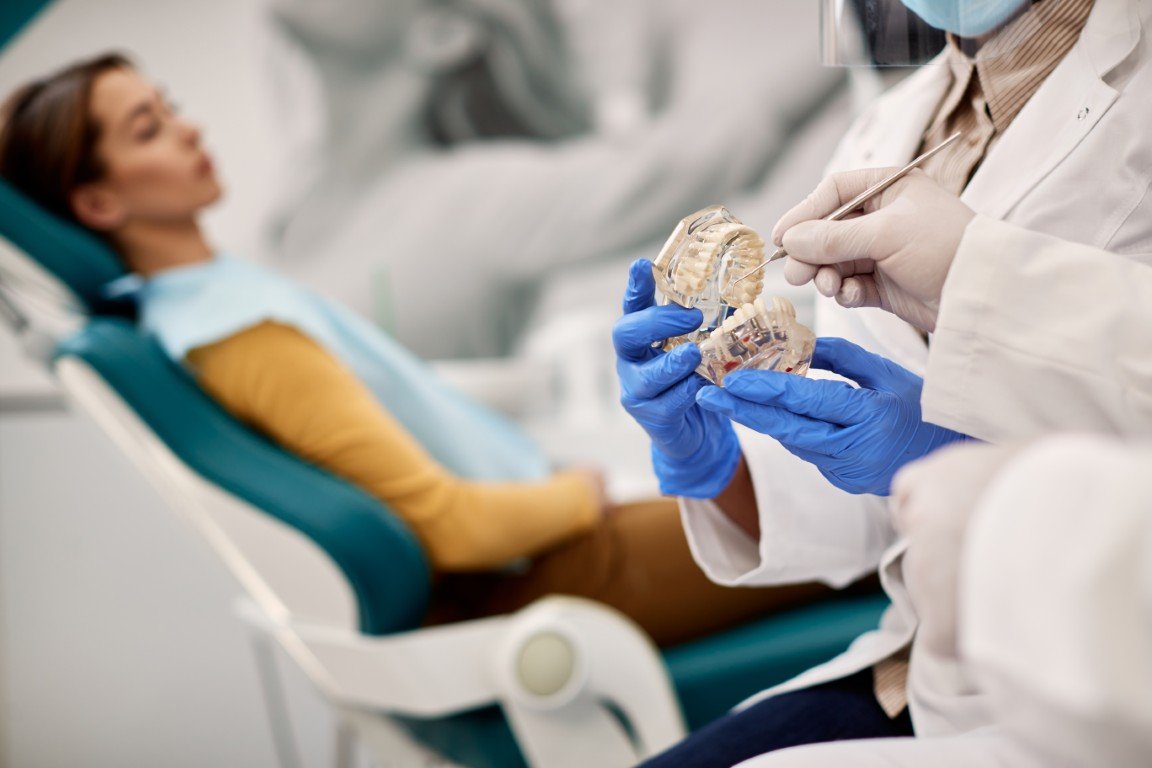
Bone Grafting in Mysore is a surgical procedure that rebuilds or augments bone in areas where it is deficient or damaged—most commonly in the jaw. It is often necessary before dental implants, after trauma, or following cyst or tumor removal. The graft may be taken from the patient (autograft), a donor (allograft), or synthetic materials, and serves as a scaffold for new bone to grow and integrate.
How Do We at APTA Treat It?
At APTA Clinic, our skilled oral and maxillofacial surgeons perform bone grafting using advanced imaging, sterile techniques, and biocompatible materials. We customize each procedure based on the location, extent of bone loss, and future treatment goals—such as implant placement or reconstruction. Healing and bone integration are carefully monitored to ensure strong, stable results.
Benefits of the Treatment
Foundation for Dental Implants
Bone grafting restores adequate bone volume to support long-lasting, stable dental implants.
Restores Jaw Structure and Strength
It rebuilds lost bone due to infection, trauma, or disease, maintaining facial contours and oral function.
Promotes Natural Bone Regeneration
Grafted material encourages the body to regenerate bone naturally, improving long-term outcomes.
Why Choose APTA for Bone Grafting?
APTA Clinic offers expert bone grafting services supported by cutting-edge diagnostics and surgical precision. Our team uses safe, proven techniques to ensure optimal bone regeneration with minimal discomfort. With a patient-centered approach and comprehensive aftercare, we provide the support needed for successful recovery and future treatments.
Make Appointment
Expert Guidance, One Appointment Away
Ready to take the next step toward looking and feeling your best? Schedule your consultation with APTA Clinic today. Our experienced specialists are here to guide you with personalized care and expert advice. Whether you’re exploring cosmetic options or seeking advanced treatments, we’ll help you choose what’s right for you. Book your appointment now and let’s begin your journey to enhanced confidence.
Email Address
aptaclinics@gmail.com
Phone Number
+91 7411 707 555
Open Hours
Mon - Sun: 10.30AM - 7.30PM
Office Location
Krishnamurthy puram, Mysore
Personalized Bone Grafting Care for Stronger, Healthier Jaw Support
Bone structure plays an important role in facial balance, proportions, function, and overall appearance. When there is insufficient bone volume in a particular area, it can affect facial contours, support surrounding tissues, or make certain reconstructive and dental procedures more challenging. Bone Grafting in Mysore is a surgical procedure used to add or restore bone in areas where additional volume or structural support is required.
Bone grafting may be considered for several reasons, including reconstruction following trauma, correction of bone defects, facial contour restoration, and preparation for selected dental or reconstructive procedures. The type of graft, surgical technique, and treatment plan depend on the location and extent of bone deficiency.
If you are considering Bone Grafting in Mysore, a detailed consultation with a qualified specialist is essential. A thorough assessment can help determine the underlying cause of bone loss, evaluate the available bone, and establish whether grafting is an appropriate treatment option.
What Is Bone Grafting?
Bone grafting is a surgical technique in which bone or a bone-like graft material is placed in an area where additional bone is needed. The graft provides a framework that can support new bone formation and help restore the structure of the treated area.
Depending on the clinical situation, graft material may come from the patient’s own body or may involve specially prepared donor or synthetic materials. The choice depends on the treatment area, amount of bone required, medical history, and surgical objectives.
Bone Grafting in Mysore may be performed as part of facial reconstruction, correction of bone defects, or preparation for other procedures. It is not a single standardized treatment; the technique is customized according to each patient’s anatomy and requirements.
Why Is Bone Grafting Needed?
Bone deficiencies can occur for different reasons. Some people may have naturally limited bone volume, while others may develop bone loss due to trauma, infection, previous surgery, ageing, or other conditions.
Common reasons for considering bone grafting include:
- Facial trauma or fractures
- Bone defects caused by previous surgery
- Loss of bone following certain dental conditions
- Congenital or developmental bone deficiencies
- Reconstruction following removal of damaged tissue
- Insufficient bone volume for selected procedures
- Restoration of facial structure and contour
The exact reason for grafting should be identified before surgery. A detailed assessment helps determine whether bone grafting is necessary and which approach may provide the most appropriate result.
Types of Bone Grafts
Several types of graft materials can be used depending on the patient’s needs.
Autologous Bone Graft
An autologous graft uses bone taken from another area of the patient’s own body. One advantage is that the patient’s own bone contains natural biological components that can support bone healing.
The donor site and amount of bone required are important considerations when this technique is selected.
Donor Bone Graft
Bone obtained from a donor source may be processed and prepared for medical use. This can avoid the need to create a separate donor site in the patient’s body.
The suitability of donor graft material depends on the specific surgical requirement and the specialist’s recommendation.
Synthetic Bone Graft Materials
Certain synthetic materials can be used to provide a scaffold for bone formation. These materials may be considered when appropriate depending on the location, size, and purpose of the graft.
Your surgeon will determine the most suitable material after evaluating the treatment area and surgical objectives.
How Does Bone Grafting Work?
The basic objective of bone grafting is to provide structural support and a framework that can encourage the formation or restoration of bone.
During the procedure, the surgeon prepares the area where additional bone is required. The selected graft material is carefully positioned and secured according to the surgical plan.
Over time, the body interacts with the graft material as healing progresses. Depending on the graft type, new bone can gradually form around and through the grafted area.
The healing process varies from patient to patient. Factors such as general health, nutrition, smoking, oral hygiene when relevant, surgical technique, graft size, and the treatment area can influence recovery.
Bone Grafting for Facial Reconstruction
Facial bones provide essential support for the cheeks, jaw, chin, nose, and other structures. A significant bone defect can affect both appearance and function.
Bone Grafting in Mysore may be considered as part of facial reconstruction when there is a localized bone deficiency caused by trauma, surgery, or another structural concern.
The objective is to restore appropriate support and improve the structural balance of the affected region. Depending on the case, bone grafting may be combined with other reconstructive procedures.
Because facial anatomy is complex, treatment requires detailed planning and careful consideration of surrounding tissues and structures.
Bone Grafting After Facial Trauma
Facial injuries can sometimes result in bone loss, fractures, or irregularities. While some fractures heal without additional intervention, more significant defects may require reconstruction.
Bone grafting can help restore missing bone in selected cases. The timing of treatment depends on the nature of the injury, healing status, presence of infection, and overall health.
If you have previously experienced facial trauma, your surgeon may use physical examination and imaging studies to assess the affected area before recommending grafting.
Bone Grafting and Dental Procedures
Bone grafting is also commonly associated with dental and oral reconstruction when there is insufficient bone volume in a particular region. For example, bone loss may make certain dental procedures more difficult.
Whether grafting is necessary depends on the amount and quality of available bone and the planned dental treatment. Dental and maxillofacial specialists may work together when appropriate.
Patients should understand that the exact technique and graft material depend on the specific dental or facial requirement.
Who May Be a Candidate for Bone Grafting?
The exact surgical process varies according to the type and location of the graft.
Before surgery, the specialist evaluates the treatment area and may recommend imaging such as X-rays or other scans. The findings help determine the amount of graft material required and how it should be positioned.
During surgery, anesthesia is administered according to the procedure. The surgeon accesses the area requiring reconstruction, prepares the bone surface, and places the selected graft material.
The graft may be secured using appropriate surgical techniques or fixation materials when necessary. The surgical site is then closed carefully.
The duration of surgery depends on the size and complexity of the reconstruction.
What Happens During a Bone Grafting Procedure?
Bone grafting is also commonly associated with dental and oral reconstruction when there is insufficient bone volume in a particular region. For example, bone loss may make certain dental procedures more difficult.
Whether grafting is necessary depends on the amount and quality of available bone and the planned dental treatment. Dental and maxillofacial specialists may work together when appropriate.
Patients should understand that the exact technique and graft material depend on the specific dental or facial requirement.
Is Bone Grafting Safe?
Bone grafting is a surgical procedure and therefore carries potential risks. When performed by an appropriately trained specialist with proper planning and sterile surgical techniques, it can be performed safely, but complications are possible.
Potential risks may include:
- Pain and swelling
- Bruising
- Infection
- Bleeding
- Delayed healing
- Graft resorption
- Incomplete bone formation
- Reaction to graft material
- Donor-site discomfort when the patient’s own bone is used
The specific risks depend on the graft type, surgical site, overall health, and complexity of the procedure.
A reputable Best Bone Grafting Clinic in Mysore should explain potential risks and benefits before surgery and provide appropriate follow-up care.
Recovery After Bone Grafting
Recovery depends on the location and extent of the procedure. Some patients may experience swelling, discomfort, bruising, or temporary limitations in activity.
Your surgeon will provide specific instructions regarding medication, wound care, diet where relevant, physical activity, and follow-up appointments.
Avoid smoking because it can interfere with healing and bone formation. Maintaining good nutrition and following your surgeon’s instructions can also support recovery.
Bone healing is a gradual process. Even when the initial discomfort has improved, the graft may continue to integrate and mature for an extended period.
How Long Does Bone Grafting Take to Heal?
Healing time varies significantly depending on the location, size of the graft, graft material, surgical technique, and individual healing capacity.
The soft tissues may recover relatively quickly, while the underlying bone requires substantially more time to mature. Follow-up imaging may sometimes be used to evaluate the progress of bone formation.
Your surgeon will provide a more specific timeline based on your procedure.
Why Choose the Best Bone Grafting Clinic in Mysore?
Choosing the right clinic is particularly important for surgical procedures involving facial or structural bone. Experience, planning, surgical technique, infection control, and follow-up care can all influence treatment outcomes.
When selecting the Best Bone Grafting Clinic in Mysore, consider:
- Specialist qualifications and surgical experience
- Detailed pre-operative assessment
- Appropriate imaging and treatment planning
- Availability of suitable graft materials
- Proper surgical and infection-control protocols
- Clear communication about risks and recovery
- Structured post-operative follow-up
Patients should avoid choosing a provider based solely on price. Surgical expertise and appropriate patient care are important considerations.
Why Choose APTA Clinic?
APTA Clinic provides specialized facial surgery and aesthetic care with an emphasis on individualized treatment planning. Facial procedures require careful consideration of anatomy, proportions, and patient expectations.
For patients considering Bone Grafting in Mysore, a professional consultation can help determine whether grafting is appropriate and what type of surgical approach may be required.
The treatment plan can be developed after evaluating the patient’s facial structure, medical history, bone condition, and specific goals. Where necessary, imaging and additional specialist assessments may also be recommended.
Preparing for Bone Grafting
Your surgeon will provide detailed preparation instructions before the procedure. During consultation, disclose all relevant medical information, including:
- Current medications and supplements
- Allergies
- Previous surgeries
- Existing medical conditions
- Previous facial injuries
- Smoking or tobacco use
- Any history of infection or delayed healing
Do not stop or change prescribed medication without professional advice.
If sedation or general anesthesia is planned, you may receive additional instructions regarding eating, drinking, and arranging transportation after the procedure.
Aftercare Following Bone Grafting
Following Bone Grafting in Mysore, carefully follow the instructions provided by your surgical team. Depending on the procedure, you may need to limit strenuous physical activity for a period of time.
Take prescribed medication according to instructions and attend all scheduled follow-up appointments. Maintain appropriate wound or oral care depending on the treatment site.
Contact your healthcare provider if you develop increasing pain, significant swelling, persistent bleeding, fever, discharge, or other concerning symptoms.
Book a Bone Grafting Consultation
If you have a facial bone defect, insufficient bone volume, or require structural reconstruction, professional assessment is the first step. Bone Grafting in Mysore should be carefully planned according to your anatomy, medical history, treatment goals, and the underlying cause of bone deficiency.
APTA Clinic provides personalized facial surgery and aesthetic care designed around individual patient requirements. If you are looking for the Best Bone Grafting Clinic in Mysore, consider specialist expertise, treatment planning, surgical safety, appropriate graft materials, and post-operative support when making your decision.
Schedule a consultation to discuss your concerns, understand your treatment options, and determine whether bone grafting is appropriate for your needs.
Frequently Asked Questions
Bone grafting is used to restore or increase bone volume in areas where bone is missing or insufficient. It may be used for facial reconstruction, trauma-related defects, selected dental procedures, and other structural requirements.
Depending on the procedure, graft material may come from the patient’s own body, a processed donor source, or a synthetic material. The appropriate option is selected according to the patient’s needs.
Bone grafting is performed using appropriate anesthesia, so pain during the procedure is controlled. Some discomfort, swelling, or tenderness may occur during recovery and can usually be managed according to the surgeon’s instructions.
Healing varies depending on the size and location of the graft, surgical technique, graft material, and individual factors. Soft-tissue recovery and complete bone integration occur over different time periods.
Bone grafting can be performed safely when appropriately planned and carried out by a qualified specialist, but it is a surgical procedure with potential risks such as infection, bleeding, delayed healing, and graft-related complications.
People with insufficient bone volume or a structural bone defect may be candidates. A professional examination and, where necessary, imaging are required to determine suitability.
Look for a clinic with appropriately qualified specialists, detailed assessment and imaging, suitable grafting options, proper surgical protocols, transparent communication, and structured follow-up care. A consultation can help you understand whether treatment is appropriate for your condition.