
Burn Treatment in Mysore
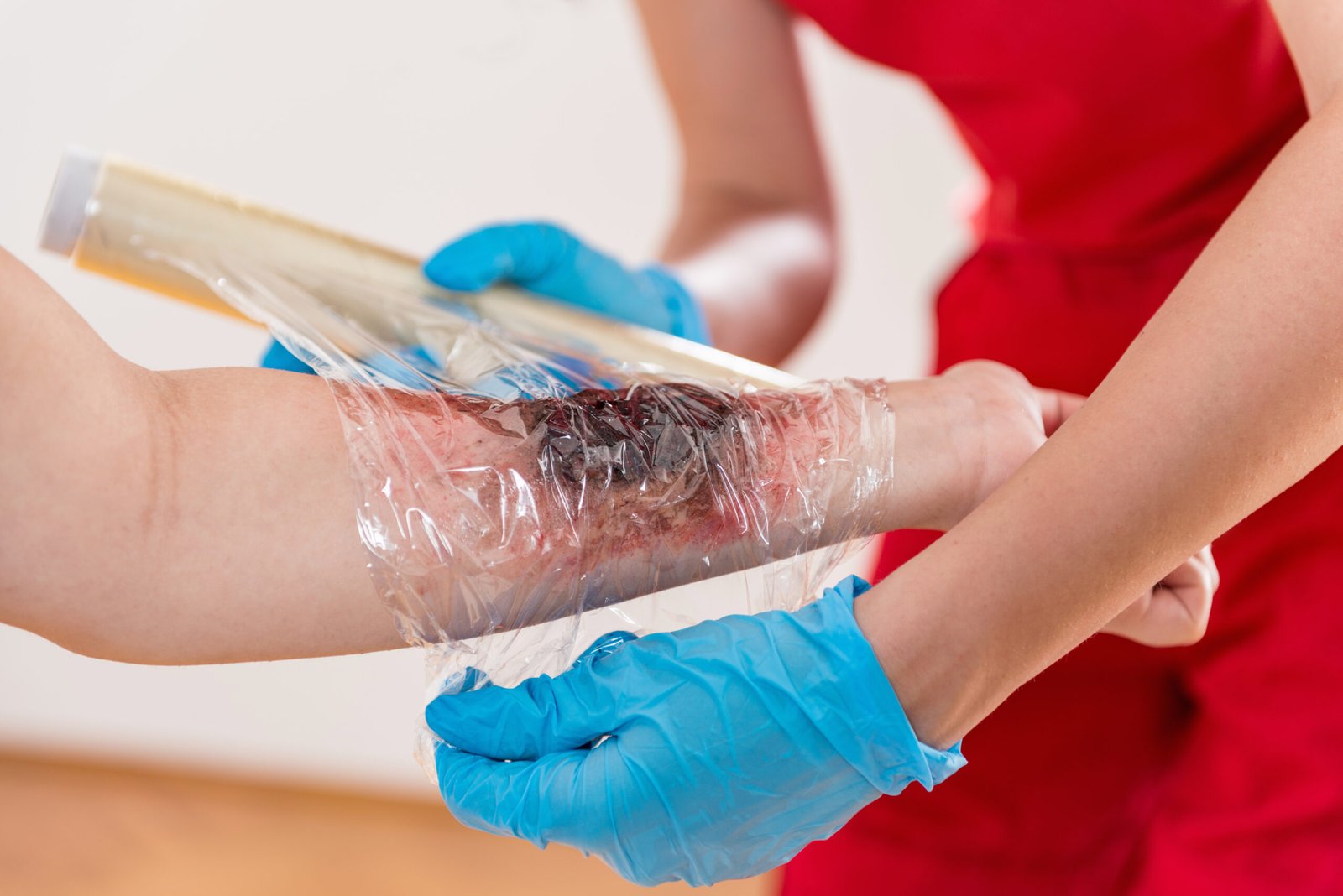
What is Burns?
Burn Treatment in Mysore focuses on managing burns, which are injuries to the skin or deeper tissues caused by heat, chemicals, electricity, or radiation. Burns are classified based on their severity, from first-degree burns affecting only the outer layer of skin to third-degree burns, which penetrate through all layers of skin and tissue. Burns can lead to pain, swelling, scarring, and even life-threatening complications, depending on the extent and depth of the injury.
How Do We at APTA Treat It?
At APTA Clinic, we use a multi-disciplinary approach to treat burn injuries, focusing on both medical care and aesthetic recovery. Our expert team of plastic surgeons and dermatologists assesses the burn’s depth and extent to create a personalized treatment plan. Treatments may include wound care, skin grafting, scar revision surgeries, and advanced therapies like laser resurfacing. We also provide long-term rehabilitation and aesthetic correction to restore confidence and function.
Benefits of the Treatment
Reduced Scarring and Disfigurement
Our advanced treatments aim to minimize scarring, enhancing both function and appearance of the affected area.
Faster Recovery Time
With state-of-the-art wound care and therapies, we expedite the healing process, allowing for quicker recovery and reduced downtime.
Restored Confidence
We prioritize not just the physical healing of burns but also focus on emotional support to restore confidence in our patients through personalized care.
Why Choose APTA for Burn Treatment?
At APTA Clinic, we specialize in burn treatment with a focus on both medical and aesthetic outcomes. Our experienced team uses the latest techniques and equipment to provide you with the best care possible. From initial treatment to long-term recovery, we offer personalized solutions tailored to your specific needs, ensuring the highest quality of care throughout your healing journey.
Make Appointment
Expert Guidance, One Appointment Away
Ready to take the next step toward looking and feeling your best? Schedule your consultation with APTA Clinic today. Our experienced specialists are here to guide you with personalized care and expert advice. Whether you’re exploring cosmetic options or seeking advanced treatments, we’ll help you choose what’s right for you. Book your appointment now and let’s begin your journey to enhanced confidence.
Email Address
aptaclinics@gmail.com
Phone Number
+91 7411 707 555
Open Hours
Mon - Sun: 10.30AM - 7.30PM
Office Location
Krishnamurthy puram, Mysore
Personalized Burn Care for Effective Healing, Recovery & Skin Restoration
Burn injuries can affect the skin and, in severe cases, deeper tissues such as muscles, nerves, and blood vessels. They may result from hot liquids, flames, steam, chemicals, electricity, friction, or prolonged exposure to heat. Prompt assessment is important because the appearance of a burn does not always indicate its full depth. Burn Treatment in Mysore focuses on assessing the extent of injury, protecting the wound, supporting healing, preventing complications, and restoring function and appearance whenever possible.
Burn care varies according to the depth, size, location, and cause of the injury. Small superficial burns may heal with appropriate wound care, while deeper or extensive burns may require specialist treatment, skin grafting, or reconstructive procedures. If you are looking for Burn Treatment in Mysore, a qualified medical team can evaluate the injury and recommend care based on its severity.
What Is a Burn Injury?
A burn is an injury to the skin or deeper tissues caused by heat, chemicals, electricity, radiation, friction, or other sources. Burns can damage the skin’s protective barrier and may lead to pain, swelling, blistering, fluid loss, infection, and scarring.
Common causes include:
- Hot water, oil, or other liquids
- Direct flames
- Steam
- Hot surfaces
- Chemical exposure
- Electrical injuries
- Friction
- Radiation
The seriousness of a burn depends on several factors, including depth, total body surface area involved, location, age, and overall health. This is why professional Burn Treatment in Mysore should be based on an individual assessment rather than the appearance of the wound alone.
Degrees and Depth of Burns
Burns are commonly described according to how deeply they affect the skin.
Superficial Burns
Superficial burns affect the outermost layer of the skin. They may cause redness, tenderness, and mild swelling but usually do not produce significant blistering. Many minor superficial burns can heal without surgery.
Partial-Thickness Burns
These burns extend deeper into the skin and may cause blisters, significant pain, redness, and swelling. Some partial-thickness burns heal with wound care, while deeper injuries may require specialist treatment.
Full-Thickness Burns
Full-thickness burns destroy the full thickness of the skin and may appear white, brown, black, or leathery. Because deeper burns can damage important tissues and have limited natural healing capacity, surgical treatment may be necessary.
When Does a Burn Require Medical Attention?
Not every minor burn requires hospital-based treatment, but professional assessment is important when the injury is extensive, deep, or located in a sensitive area.
Seek urgent medical attention for burns involving:
- Face or neck
- Hands or feet
- Genitals
- Major joints
- A large area of the body
- Electrical exposure
- Chemical exposure
- Significant smoke inhalation
- Deep or full-thickness injury
- Severe pain or swelling
- Signs of infection
Children, older adults, and people with significant medical conditions may require earlier evaluation even when the burn appears relatively small.
If you are uncertain about the severity of an injury, professional Burn Treatment in Mysore can help determine whether home care is sufficient or whether specialist intervention is required.
First Aid for a Minor Burn
Immediate first aid can help limit further injury.
For a minor thermal burn:
- Move away from the heat source.
- Remove jewelry or tight items near the affected area before swelling develops, if they can be removed safely.
- Cool the burn with cool running water for about 20 minutes.
- Cover the area with a clean, non-stick dressing or clean cloth.
- Seek medical advice when the burn is significant or you are uncertain about its severity.
Do not apply ice directly to the burn. Avoid butter, toothpaste, oils, or other household substances because they can irritate the wound and interfere with assessment.
Do not break blisters yourself.
Chemical and electrical burns require different precautions and should receive prompt medical assessment.
How Are Burns Evaluated?
A specialist assesses the burn based on its depth, size, location, cause, and appearance. The clinician may also check circulation, sensation, movement, and signs of infection.
The assessment may include:
- Medical history
- Examination of the wound
- Estimation of burn depth
- Assessment of the affected body surface area
- Evaluation of surrounding tissues
- Review of pain and function
- Assessment for infection or other complications
For larger or more serious injuries, the patient’s hydration, temperature, breathing, and overall condition may also need attention.
A thorough assessment is a key part of Burn Treatment in Mysore, particularly when the injury involves the face, hands, joints, or other functionally important areas.
Burn Treatment Options
Treatment depends on the severity and location of the burn. The main goals are to protect the wound, support healing, prevent infection, reduce complications, and preserve function.
Wound Cleaning and Dressings
Appropriate cleaning and dressing can protect a burn from contamination and support healing. The type of dressing depends on the wound and its stage of healing.
Pain Management
Burns can be painful, particularly during wound cleaning and dressing changes. Appropriate pain management may be included as part of treatment.
Infection Prevention
Damaged skin can make it easier for bacteria to enter the body. Proper wound care and monitoring can help reduce the risk of infection. Antibiotics are not automatically needed for every burn and should be used when medically indicated.
Management of Blisters
Blister management depends on the size, location, and condition of the blister. Patients should not routinely puncture or remove blisters themselves.
Skin Grafting
Deep burns that cannot heal adequately on their own may require skin grafting. During a grafting procedure, healthy skin is taken from another area of the body and placed over the wound.
When Is Burn Surgery Needed?
Surgery may be considered for deep burns, wounds that are unlikely to heal within an appropriate period, contractures, significant scarring, or functional problems caused by the injury.
Burn Surgery in Mysore may include procedures such as debridement, skin grafting, scar revision, contracture release, and reconstructive surgery, depending on the patient’s condition.
The exact timing and type of surgery depend on wound depth, overall health, infection status, and the location of the injury. Burn Surgery in Mysore should always be planned after a detailed examination and discussion of the potential benefits and risks.
Skin Grafting for Burns
Skin grafting can help cover wounds when the skin has been severely damaged and cannot heal effectively on its own.
There are different grafting approaches, and the surgeon selects the technique according to the wound.
A graft can help:
- Cover exposed tissue
- Support wound closure
- Reduce prolonged open-wound healing
- Restore skin coverage
- Improve function in selected areas
The grafted area and donor site both require appropriate wound care during recovery.
Patients who may require Burn Surgery in Mysore should be assessed for the depth and healing potential of the wound before a grafting procedure is planned.
Burn Scars and Contractures
Scarring is a common concern after deeper burns. Scar tissue can become raised, thickened, tight, or darker or lighter than surrounding skin.
When scars cross joints or involve areas such as the mouth, eyelids, neck, or hands, they may restrict movement and affect function. This tightening is known as a contracture.
Treatment may involve:
- Scar care
- Pressure therapy
- Silicone-based scar management when advised
- Physiotherapy
- Splinting
- Steroid treatment for selected scars
- Laser-based scar treatment in appropriate cases
- Surgical scar revision or contracture release
The appropriate approach depends on the maturity, location, and characteristics of the scar. A Best Burn Treatment Clinic in Mysore should be able to assess both the wound and longer-term scar-related concerns.
Reconstructive Burn Surgery
Some patients require reconstructive surgery after the initial burn has healed. Reconstruction may aim to improve movement, restore tissue coverage, or address significant changes in appearance.
Reconstructive procedures can be especially important when burns affect:
- Eyelids
- Lips
- Nose
- Neck
- Hands
- Fingers
- Elbows
- Knees
- Other joints
The treatment plan is usually individualized and may involve more than one procedure. Burn Surgery in Mysore may form part of a longer treatment journey when a patient has extensive scarring or contractures.
Burn Treatment for Children
Children can be particularly vulnerable to burn injuries because of their smaller body size and developing tissues. Burns involving the face, hands, joints, or other sensitive areas require careful assessment.
Treatment should also consider growth. Scar tissue and contractures can become more functionally significant as a child grows, making long-term follow-up important in selected cases.
Parents should seek prompt professional care for significant burns rather than relying solely on home treatment. A Best Burn Treatment Clinic in Mysore can help determine the appropriate level of care according to the child’s age, injury, and overall condition.
Recovery After a Burn
Recovery depends on the burn’s depth, size, location, and treatment. Minor burns may heal within a relatively short period, while deep burns can require prolonged wound care and rehabilitation.
Recovery may include:
- Dressing changes
- Pain management
- Physiotherapy
- Scar management
- Nutritional support
- Follow-up examinations
- Reconstructive treatment when necessary
Patients should follow their healthcare team’s wound-care instructions carefully.
For individuals undergoing Burn Treatment in Mysore, regular follow-up can be important for monitoring wound healing and identifying complications early.
How Can Burn Scarring Be Managed?
Scar management begins after the wound has sufficiently healed. Depending on the scar, a specialist may recommend moisturization, massage, silicone products, pressure garments, physiotherapy, or other treatments.
Protecting healed skin from excessive sun exposure can also help reduce noticeable color changes.
Scars mature gradually, and their appearance can continue to change for many months.
A Best Burn Treatment Clinic in Mysore can assess scar characteristics and recommend an appropriate management plan based on the location, thickness, maturity, and functional impact of the scar.
Choosing the Best Burn Treatment Clinic in Mysore
Burn care requires careful assessment because treatment decisions can influence healing, function, and scarring.
When choosing the Best Burn Treatment Clinic in Mysore, consider:
- Qualified specialists
- Experience with acute and healed burn injuries
- Appropriate wound-care facilities
- Access to surgical treatment when needed
- Experience with skin grafting and reconstruction
- Infection-control practices
- Rehabilitation and physiotherapy support
- Long-term follow-up
A suitable clinic should provide an individualized treatment plan rather than applying the same approach to every burn.
The Best Burn Treatment Clinic in Mysore should also explain the expected course of healing, possible complications, and whether additional procedures may be required.
Why Choose APTA Clinic?
APTA Clinic provides specialized surgical and aesthetic care with an emphasis on individualized treatment planning. Burn injuries can vary substantially, from superficial wounds to complex injuries requiring reconstruction.
For patients seeking Burn Treatment in Mysore, a consultation can help assess the wound, determine the appropriate treatment pathway, and identify whether specialist wound care, surgery, scar management, or reconstruction may be required.
When Burn Surgery in Mysore is appropriate, treatment planning should take into account wound depth, healing potential, affected body region, functional needs, and the patient’s overall health.
Patients looking for the Best Burn Treatment Clinic in Mysore can discuss their concerns with the clinical team and understand the available treatment options based on their individual condition.
Preventing Burn Injuries
Many burns can be prevented with simple safety measures.
At home:
- Keep hot liquids away from children.
- Check bath water temperature before use.
- Keep cooking handles turned inward.
- Store chemicals safely.
- Avoid unsafe electrical connections.
- Install appropriate smoke alarms.
- Keep flammable materials away from open flames.
Workplaces should follow appropriate fire, chemical, and electrical safety procedures.
What Should You Ask Before Burn Treatment?
Before starting treatment, patients or caregivers may ask:
- How deep is the burn?
- How large is the affected area?
- Can the wound heal without surgery?
- What dressing or wound-care routine is recommended?
- Is skin grafting necessary?
- What can be done to reduce scarring?
- How long may recovery take?
- Will physiotherapy be required?
- Are additional reconstructive procedures likely?
- What warning signs should prompt immediate medical attention?
Understanding the treatment plan can make wound care and follow-up easier to manage.
Book a Burn Consultation
Burn injuries require appropriate care because their effects can extend beyond the initial wound. Burn Treatment in Mysore focuses on protecting damaged skin, supporting healing, preventing complications, and addressing functional or scar-related concerns.
APTA Clinic provides individualized surgical care for patients requiring assessment and treatment of burn-related concerns. If you are looking for the Best Burn Treatment Clinic in Mysore, consider specialist expertise, wound-care facilities, surgical capabilities, rehabilitation support, and long-term follow-up when choosing a provider.
For patients who require Burn Surgery in Mysore, a specialist consultation can help determine whether procedures such as debridement, skin grafting, scar revision, or contracture release are appropriate.
Contact APTA Clinic to schedule a consultation and discuss the appropriate treatment options for your burn injury.
Frequently Asked Questions
Treatment depends on burn depth, size, cause, and location. Minor burns may need cooling, dressings, and observation, while deeper burns may require specialist wound care, skin grafting, or reconstructive surgery.
Surgery may be considered for deep burns that are unlikely to heal adequately, significant wounds, contractures, severe scarring, or functional problems. A specialist determines whether surgery is appropriate.
Yes. Depending on the scar, treatment may include silicone-based care, pressure therapy, physiotherapy, laser-based treatments, injections, or surgical revision.
Healing time depends on the burn depth and size. Superficial burns may heal relatively quickly, while deeper burns can require weeks or longer and may need surgery or ongoing wound care.
No. Direct ice can further damage injured skin. For a minor thermal burn, cool running water is generally preferred. Significant burns should be assessed by a healthcare professional.
Deeper burns have a greater risk of permanent scarring. Early and appropriate treatment, followed by suitable scar management, may help improve healing and the eventual appearance and function of the affected area.
Look for qualified specialists, appropriate wound-care and surgical facilities, experience with burns and reconstruction, and access to follow-up and rehabilitation when required.