
Wart and Mole Excision in Mysore
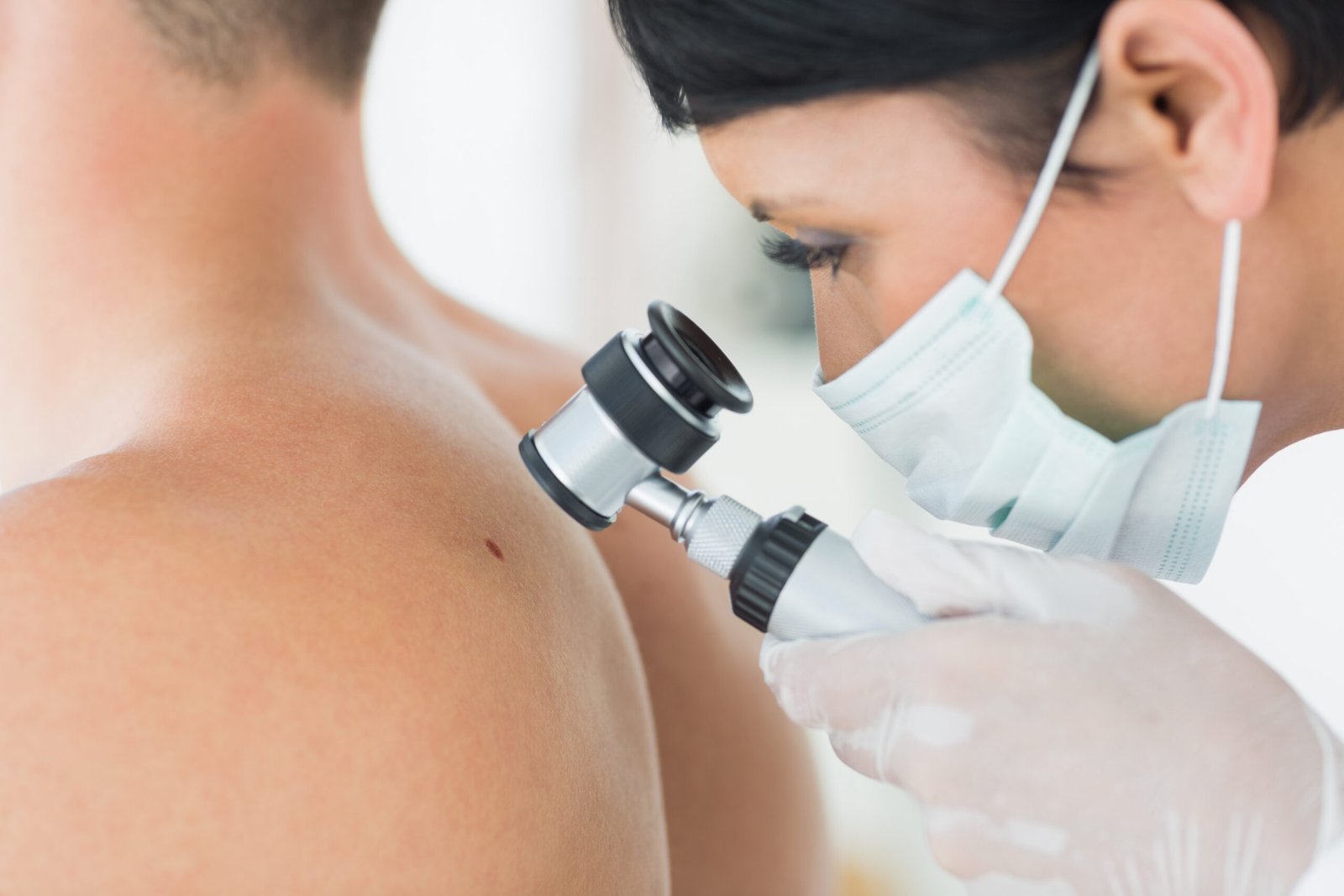
What is Wart and Mole Excision?
Wart and Mole Excision in Mysore is a minor dermatological procedure performed to remove unwanted skin growths such as warts, moles, or skin tags. While moles are generally harmless clusters of pigmented cells, warts are caused by viral infections (typically HPV). Both can affect your appearance and, in some cases, may require removal for medical or cosmetic reasons.
How Do We at APTA Treat It?
At APTA Clinic, we begin with a thorough dermatological evaluation to determine the type, size, and depth of the wart or mole. Based on this, our specialists may recommend laser removal, surgical excision, or cryotherapy. We use precision-driven, minimally invasive techniques to ensure safe removal with minimal scarring. Local anesthesia is used to make the procedure comfortable and quick.
Benefits of the Treatment
Improved Aesthetic Appearance
Excision effectively eliminates visible and raised skin growths, enhancing skin clarity and overall facial or body aesthetics.
Reduced Health Risks
Promptly removing atypical or changing moles can help effectively prevent the progression of skin conditions, including potential malignancies and related complications.
Quick Recovery and Minimal Scarring
The procedure is simple with a fast healing process, and we focus on techniques that leave little to no noticeable scarring.
Why Choose APTA for Wart and Mole Excision?
APTA Clinic combines advanced dermatological expertise with state-of-the-art tools to deliver precise, scar-minimizing wart and mole removal. Our experienced skin specialists ensure your comfort and safety throughout the procedure, and we tailor treatments to your unique skin type and aesthetic goals. With a focus on clinical excellence and compassionate care, we provide results you can see and confidence you can feel.
Make Appointment
Expert Guidance, One Appointment Away
Ready to take the next step toward looking and feeling your best? Schedule your consultation with APTA Clinic today. Our experienced specialists are here to guide you with personalized care and expert advice. Whether you’re exploring cosmetic options or seeking advanced treatments, we’ll help you choose what’s right for you. Book your appointment now and let’s begin your journey to enhanced confidence.
Email Address
aptaclinics@gmail.com
Phone Number
+91 7411 707 555
Open Hours
Mon - Sun: 10.30AM - 7.30PM
Office Location
Krishnamurthy puram, Mysore
Personalized Wart & Mole Excision Care for Clearer, Healthier-Looking Skin
Warts and moles are common skin growths that can appear on different parts of the body. While many are harmless, some may become irritated, catch on clothing, bleed after repeated friction, or cause cosmetic concerns. In certain cases, a skin growth may also need medical evaluation to determine whether further investigation or removal is appropriate. Wart and Mole Excision in Mysore refers to procedures used to remove selected warts and moles safely after clinical assessment.
The appropriate removal technique depends on the type, size, location, appearance, and depth of the growth. Some lesions can be removed using a simple procedure, while others may require excision followed by laboratory examination of the tissue.
If you are considering Wart and Mole Excision in Mysore, a consultation with a qualified dermatologist or surgeon is an important first step. Professional assessment helps distinguish common benign growths from lesions that may require additional evaluation.
What Are Warts and Moles?
Although warts and moles are both common skin growths, they are different conditions.
Warts
Warts are usually caused by infection with certain types of human papillomavirus (HPV). They can appear as rough, firm growths on the hands, fingers, feet, face, or other areas.
Common types include:
- Common warts
- Plantar warts
- Flat warts
- Filiform warts
- Periungual warts
Some warts disappear naturally, while others can persist or recur.
Moles
Moles, medically known as melanocytic nevi, are collections of pigment-producing cells. They may be flat or raised and can vary in colour from light brown to dark brown or black.
Most moles are benign. However, changes in a mole’s appearance should be evaluated by a medical professional because some skin cancers can resemble or develop from pigmented lesions.
Why Are Warts and Moles Removed?
Not every wart or mole requires removal. Removal may be considered for medical, functional, or cosmetic reasons.
Common reasons include:
- Repeated irritation
- Bleeding
- Catching on clothing
- Frequent shaving-related injury
- Pain or discomfort
- Cosmetic concerns
- Persistent or recurrent growth
- Uncertain diagnosis
- Suspicious changes in appearance
A specialist should assess the lesion before deciding on removal.
When Should a Mole Be Evaluated?
Most moles remain stable throughout life. However, a changing mole deserves medical attention.
Look for changes such as:
- Asymmetry
- Irregular borders
- Multiple or uneven colours
- Increasing size
- Changes in shape
- New bleeding
- Persistent itching
- Crusting
- A noticeable change compared with other moles
These signs do not automatically mean that a mole is cancerous, but they warrant professional evaluation.
A specialist may use dermoscopy or another examination technique to assess the lesion more closely.
What Is Wart and Mole Excision?
Excision involves surgically removing a skin growth using a carefully planned technique.
For a mole, the surgeon may remove the lesion along with an appropriate margin of surrounding tissue when clinically indicated. The wound is then closed using suitable techniques.
For selected warts, excision may be considered when other treatments have not worked or when the lesion is particularly persistent or problematic.
The removed tissue may be sent for histopathological examination when medically indicated.
Types of Mole Removal
The technique selected for mole removal depends on the lesion’s appearance, size, depth, and location.
Excisional Removal
Excisional removal involves cutting out the mole and closing the resulting wound. This approach may be preferred when the lesion needs to be removed completely or examined in the laboratory.
Shave Removal
A shave technique removes a raised lesion at or near the skin surface. Whether this approach is suitable depends on the specific lesion.
Other Techniques
Some benign skin lesions may be treated using other dermatological techniques. The appropriate procedure should be selected only after examination.
The goal is to remove the lesion appropriately while considering the potential for scarring and recurrence.
Wart Removal Options
Warts can be treated in several ways depending on their type and location.
Possible approaches include:
- Cryotherapy
- Topical medications
- Electrosurgical techniques
- Curettage
- Excision
- Laser-based treatment in selected cases
Not every wart needs surgical excision. Treatment is selected according to the characteristics of the wart and previous treatment response.
Preparing for Tongue Tie Release
Before Wart and Mole Excision in Mysore, the specialist examines the lesion and asks about its history.
Important factors include:
- How long the lesion has been present
- Whether it has changed
- Whether it bleeds
- Whether it causes pain or itching
- Previous treatments
- Family or personal history of skin problems
- Location and size of the lesion
For suspicious pigmented lesions, additional assessment may be recommended before removal.
The treatment plan is then tailored to the specific lesion.
What Happens During Excision?
The procedure is usually performed using local anesthesia for appropriate lesions.
The area is cleaned and numbed before the surgeon carefully removes the lesion.
Depending on the technique:
- The treatment area is prepared.
- Local anesthesia is administered.
- The lesion is removed using the planned technique.
- Bleeding is controlled.
- The wound is closed when necessary.
- A dressing is applied.
- The tissue may be sent for laboratory examination when indicated.
The procedure duration varies according to the number, size, and location of the lesions.
Is Wart and Mole Excision Painful?
Local anesthesia is used for many minor excision procedures, which helps prevent significant pain during the removal.
After the anesthetic wears off, mild tenderness or discomfort may occur. Your doctor may provide appropriate instructions for managing discomfort during recovery.
Pain levels vary depending on the size and location of the lesion and the technique used.
What Happens to the Removed Mole or Wart?
When a lesion requires diagnostic confirmation, the removed tissue may be sent to a pathology laboratory for histopathological examination.
This examination allows specialists to study the tissue under a microscope and determine its characteristics.
This is particularly important when a mole has suspicious features or when the diagnosis is uncertain.
Not every benign lesion necessarily requires laboratory testing, so the decision depends on clinical assessment.
Benefits of Wart and Mole Excision
Appropriate removal can provide several benefits.
These may include:
- Removal of an irritating growth
- Reduction of repeated friction or injury
- Improvement in cosmetic appearance
- Obtaining tissue for diagnosis when indicated
- Treatment of selected persistent lesions
- Relief from symptoms caused by certain growths
The expected benefit depends on the type and characteristics of the lesion.
Recovery After Excision
Recovery after Wart and Mole Excision in Mysore is usually straightforward for minor procedures, although healing varies depending on the location and size of the wound.
Patients may experience:
- Mild swelling
- Redness
- Tenderness
- Bruising
- Temporary sensitivity
If stitches are used, they may need to remain in place for a specific period depending on the location of the procedure.
Keep the area clean and follow your doctor’s wound-care instructions.
Avoid scratching, picking, or unnecessarily disturbing the healing area.
Will Excision Leave a Scar?
Any procedure that cuts the skin can potentially leave a scar.
The final appearance of the scar depends on:
- Size of the lesion
- Location
- Surgical technique
- Skin type
- Individual healing
- Wound care
- Genetic tendency toward abnormal scarring
Some scars gradually become less noticeable as they mature.
Your specialist can discuss expected scarring before the procedure.
Risks of Wart and Mole Excision
Although minor excision procedures are generally well tolerated, they still carry potential risks.
Possible complications include:
- Infection
- Bleeding
- Pain
- Swelling
- Scarring
- Changes in pigmentation
- Delayed healing
- Recurrence
- Allergic reaction to local anesthetic
- Nerve-related symptoms in selected locations
The specific risks depend on the procedure and the location of the lesion.
Choosing a Wart and Mole Removal Clinic in Mysore
Choosing an appropriate clinic is important when considering removal of skin lesions.
When searching for a Wart and Mole Removal Clinic in Mysore, consider:
- Qualified dermatology or surgical professionals
- Experience with skin lesion assessment
- Appropriate clinical facilities
- Availability of pathology services when required
- Sterile treatment protocols
- Individualized treatment planning
- Clear explanation of potential scarring
- Appropriate follow-up
Do not attempt to remove a mole at home using cutting instruments, acids, or unverified products. Self-removal can cause infection, bleeding, scarring, and may prevent proper diagnosis of a suspicious lesion.
Why Choose APTA Clinic?
APTA Clinic provides dermatological and surgical care for a range of skin and aesthetic concerns.
Warts and moles can look similar to other types of skin lesions, and treatment should begin with proper assessment rather than simply choosing a removal method.
For individuals considering Wart and Mole Excision in Mysore, the treatment approach can be selected according to the lesion’s characteristics, location, medical significance, and the patient’s expectations.
If you are searching for a Wart and Mole Removal Clinic in Mysore, a specialist consultation can help you understand whether removal is appropriate and which procedure may be suitable.
Preparing for Wart and Mole Removal
Before your procedure, tell your doctor about:
- Current medications
- Blood-thinning medications
- Allergies
- Previous reactions to local anesthesia
- History of keloid or prominent scars
- Existing skin conditions
- Previous treatments to the lesion
- Any changes in the lesion
Do not stop prescribed medications unless your doctor specifically advises you to do so.
Follow all instructions provided before the procedure.
Aftercare Following Excision
Proper aftercare can support wound healing.
Your doctor may recommend:
- Keeping the wound clean and dry as instructed
- Changing dressings as directed
- Avoiding unnecessary pressure or friction
- Taking prescribed medications if needed
- Avoiding swimming until the wound has sufficiently healed
- Protecting the healing area from excessive sunlight
- Returning for stitch removal when advised
Contact your healthcare provider if you notice increasing redness, severe pain, significant swelling, pus, persistent bleeding, or other concerning changes.
Can Warts Come Back After Removal?
Warts may recur even after successful removal because the virus responsible for them can remain in surrounding skin.
The likelihood of recurrence depends on the wart type, immune response, location, and treatment method.
Your specialist may recommend additional treatment if a wart returns.
Can a Mole Grow Back After Excision?
If a mole is completely removed, recurrence is less likely, but some lesions can partially regrow depending on the removal technique.
Any new or changing pigmentation at the previous treatment site should be evaluated by a professional.
This is one reason why follow-up is important after mole removal.
Book a Consultation for Wart and Mole Removal
Warts and moles are common, but not every skin growth should be treated in the same way. Wart and Mole Excision in Mysore provides a professional approach to removing selected lesions after appropriate clinical evaluation.
APTA Clinic offers personalized dermatological and surgical care based on the type, location, appearance, and medical significance of the skin growth. If you are looking for a Wart and Mole Removal Clinic in Mysore, a consultation can help determine whether removal is appropriate and which treatment method best suits your needs.
Do not attempt to cut, burn, or chemically remove a mole or persistent wart yourself. Professional assessment can help ensure appropriate treatment and, when necessary, proper examination of the removed tissue. Contact APTA Clinic to schedule a consultation and discuss your skin lesion concerns with a qualified specialist.
Frequently Asked Questions
No. Most moles are benign and do not require removal. Removal may be considered for cosmetic reasons, repeated irritation, symptoms, or when a specialist recommends it for medical evaluation.
Warts can often be successfully treated, but recurrence is possible because the underlying viral infection may persist in surrounding skin. Your specialist can recommend the most appropriate treatment.
Any procedure involving the skin can leave some degree of scarring. The final appearance depends on the lesion, removal method, location, and individual healing.
Many minor excision procedures can be performed using local anesthesia. This numbs the treatment area and helps minimize discomfort during the procedure.
When clinically indicated, the removed tissue can be sent for histopathological examination. Your doctor will determine whether laboratory analysis is appropriate.
Recovery depends on the size and location of the lesion and the technique used. Minor procedures may heal relatively quickly, while larger wounds can require more time and follow-up.
Choose a clinic with qualified specialists, experience in evaluating and removing skin lesions, appropriate clinical facilities, proper sterile protocols, pathology support when needed, and good follow-up care.