
Hand Surgery in Mysore
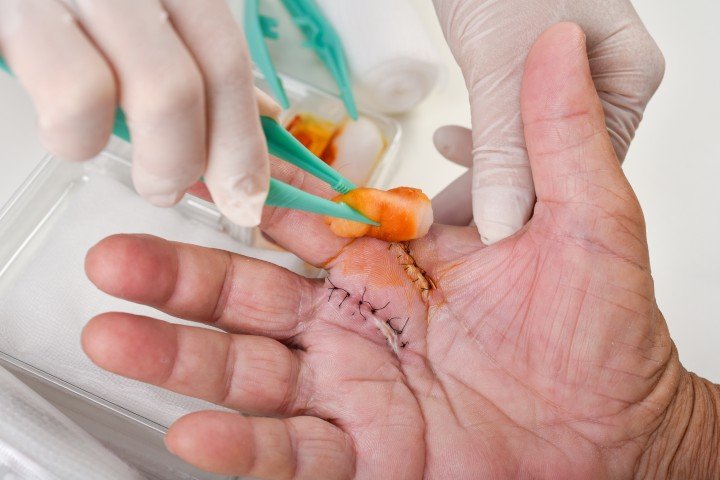
What is Hand Surgery?
Hand Surgery in Mysore is a specialized medical field that focuses on the diagnosis, treatment, and rehabilitation of conditions affecting the hand, wrist, and forearm. This includes trauma, deformities, injuries, or diseases like arthritis and carpal tunnel syndrome. Skilled hand surgeons perform delicate procedures to restore function and improve quality of life for patients suffering from hand and upper extremity issues.
How Do We at APTA Treat It?
At APTA Clinic, our experienced hand surgeons utilize state-of-the-art techniques and equipment to treat a wide range of hand conditions. Whether it’s a traumatic injury, congenital deformity, or chronic condition, we offer both non-surgical and surgical solutions tailored to individual needs. Our approach includes:
Benefits of the Treatment
Restored Hand
Function
Hand surgery aims to restore normal function, enabling patients to carry out everyday tasks like gripping, writing, and typing.
Pain Relief
Surgical interventions alleviate chronic pain, especially for conditions like arthritis, nerve compression, and tendon injuries, allowing for a pain-free lifestyle.
Improved Aesthetic Outcomes
Our surgeries not only address functionality but also enhance the aesthetic appearance of the hand, creating natural-looking results post-recovery.
Why Choose APTA for Hand Surgery?
APTA Clinic stands out for its personalized care, advanced surgical techniques, and commitment to achieving the best outcomes for hand surgery patients. With a team of highly trained surgeons, we ensure.
Make Appointment
Expert Guidance, One Appointment Away
Ready to take the next step toward looking and feeling your best? Schedule your consultation with APTA Clinic today. Our experienced specialists are here to guide you with personalized care and expert advice. Whether you’re exploring cosmetic options or seeking advanced treatments, we’ll help you choose what’s right for you. Book your appointment now and let’s begin your journey to enhanced confidence.
Email Address
aptaclinics@gmail.com
Phone Number
+91 7411 707 555
Open Hours
Mon - Sun: 10.30AM - 7.30PM
Office Location
Krishnamurthy puram, Mysore
Personalized Hand Surgery Care for Better Function, Comfort & Recovery
Our hands are essential for almost every aspect of daily life, from writing and working to cooking, driving, exercising, and performing fine movements. An injury, deformity, nerve problem, tendon condition, or other hand disorder can significantly affect strength, movement, coordination, and independence. Hand Surgery in Mysore includes specialized procedures designed to diagnose and treat conditions affecting the hand, wrist, fingers, tendons, nerves, bones, and soft tissues.
Hand surgery is not limited to traumatic injuries. It may also be recommended for conditions that develop gradually, congenital differences, nerve compression, tendon disorders, joint problems, or functional limitations that do not respond adequately to conservative treatment.
If you are considering Hand Surgery in Mysore, a detailed consultation can help identify the underlying problem and determine whether surgery, non-surgical management, rehabilitation, or a combination of approaches is appropriate.
What Is Hand Surgery?
Hand surgery is a specialized area of surgical care focused on conditions affecting the hand and upper extremity. Depending on the problem, treatment may involve bones, joints, tendons, ligaments, nerves, blood vessels, skin, or soft tissues.
The objective of treatment is not simply to address the appearance of the hand. Functional recovery is often a major consideration.
Depending on the diagnosis, hand surgery may help:
- Restore movement
- Repair damaged tendons
- Treat nerve compression
- Stabilize fractures
- Correct deformities
- Improve joint function
- Treat soft-tissue problems
- Address certain congenital conditions
- Improve hand strength and coordination
The appropriate treatment depends on the cause, severity, location, and duration of the problem.
Who May Need Hand Surgery?
Not every hand condition requires an operation. Many problems can initially be managed with rest, medication, splinting, physiotherapy, injections, or activity modification.
Surgery may be considered when:
- There is a significant fracture or dislocation
- A tendon has been severely damaged
- A nerve requires surgical treatment
- Conservative treatment has not provided adequate improvement
- A condition causes persistent functional limitations
- There is a structural deformity
- A wound has damaged important hand structures
- A congenital hand difference affects function
- A joint problem requires surgical correction
A specialist evaluation is important before deciding whether surgery is necessary.
Common Conditions Treated With Hand Surgery
Several conditions can affect the hand and wrist. Some are caused by injury, while others develop gradually.
Hand and Wrist Fractures
Fractures can occur following falls, sports injuries, workplace accidents, or direct trauma. Some fractures can be treated with immobilization, while displaced or unstable fractures may require surgical fixation.
The treatment decision depends on the type and location of the fracture, alignment, stability, and functional requirements.
Tendon Injuries
Tendons connect muscles to bones and allow the fingers and wrist to move. Cuts, crush injuries, or trauma can damage tendons and interfere with normal movement.
Depending on the injury, tendon repair may be necessary to restore continuity and improve function.
Nerve Injuries
Nerve damage can result in numbness, weakness, altered sensation, or difficulty moving specific fingers or parts of the hand.
Nerve injuries may occur following trauma or due to compression. Appropriate treatment depends on the type and severity of nerve involvement.
Carpal Tunnel Syndrome
Carpal tunnel syndrome occurs when the median nerve becomes compressed at the wrist. Symptoms may include:
- Numbness
- Tingling
- Burning sensations
- Hand weakness
- Difficulty gripping objects
- Symptoms that are worse at night
Mild cases may respond to conservative treatment. Surgery may be considered when symptoms are persistent or significant.
Trigger Finger
Trigger finger is a condition in which a finger catches, locks, or becomes difficult to move smoothly. It can sometimes cause pain at the base of the affected finger.
Treatment may include activity modification, medication, splinting, injections, or surgery depending on the severity and response to conservative care.
Dupuytren’s Contracture
Dupuytren’s contracture causes thickening and tightening of tissue beneath the skin of the palm. Over time, one or more fingers may become increasingly bent.
Treatment depends on the severity and functional impact of the condition.
Hand Surgery for Injuries
Traumatic hand injuries can be particularly complex because the hand contains many closely positioned structures.
A single injury may affect:
- Bone
- Tendon
- Nerve
- Blood vessel
- Skin
- Ligament
- Joint
Prompt assessment is important when there is significant trauma, deep cuts, severe swelling, loss of sensation, deformity, or inability to move a finger.
The treatment plan may involve wound management, fracture stabilization, tendon repair, nerve repair, or other reconstructive techniques.
For patients requiring Hand Surgery in Mysore after an injury, early specialist assessment can be important for protecting hand function.
Reconstructive Hand Surgery
Reconstructive procedures may be considered when injury, disease, congenital differences, or previous surgery has affected the structure or function of the hand.
The objective may be to improve:
- Finger movement
- Grip
- Hand strength
- Sensation
- Appearance
- Joint stability
- Soft-tissue coverage
Reconstruction can sometimes require multiple stages depending on the complexity of the condition.
Hand Surgery for Congenital Conditions
Some individuals are born with differences in the shape, development, or function of their hands or fingers.
Examples may include differences in finger development, webbing between fingers, or other structural conditions.
Treatment depends on age, anatomy, severity, and functional requirements. In children, treatment planning may also consider growth and future hand development.
A specialist can determine whether surgery is appropriate and the optimal timing for intervention.
How Is Hand Surgery Diagnosed and Planned?
Before Hand Surgery in Mysore, the surgeon conducts a detailed clinical evaluation.
The assessment may include:
- Medical history
- Physical examination
- Range-of-motion testing
- Strength assessment
- Sensory examination
- Evaluation of swelling and tenderness
- Assessment of circulation
- X-rays
- Ultrasound
- MRI
- Nerve conduction studies when required
Not every patient needs all these tests. The investigations are selected according to the suspected condition.
The surgeon then discusses the diagnosis, treatment options, expected recovery, and potential risks.
Surgical Techniques Used in Hand Surgery
The surgical approach depends on the condition.
Some procedures may involve small incisions, while complex injuries may require more extensive reconstruction.
Possible techniques include:
- Fracture fixation
- Tendon repair
- Nerve repair
- Nerve decompression
- Ligament repair
- Joint procedures
- Scar revision
- Soft-tissue reconstruction
- Skin grafting
- Flap procedures
The choice of technique is based on anatomy, injury severity, functional requirements, and the patient’s overall health.
What Happens During Hand Surgery?
The procedure may be performed under local, regional, or general anesthesia depending on the surgery and individual circumstances.
The surgeon accesses the affected area through appropriately planned incisions. Damaged tissues may be repaired, removed, released, reconstructed, or stabilized as required.
In fracture surgery, bones may be aligned and stabilized using appropriate fixation methods.
In tendon or nerve surgery, the damaged structures are carefully repaired.
The duration of Hand Surgery in Mysore varies significantly depending on the complexity and type of procedure.
Recovery After Hand Surgery
Recovery is highly individual. Some procedures require only a short period of protection, while complex tendon, nerve, or fracture repairs may require several weeks or months of rehabilitation.
Post-operative care may include:
- Dressing changes
- Splinting
- Pain management
- Wound care
- Elevation
- Hand exercises
- Physiotherapy
- Occupational therapy
- Gradual return to activities
Rehabilitation is particularly important because stiffness can develop when the hand is immobilized for prolonged periods.
Patients should follow their surgeon’s instructions regarding movement and activity. Starting exercises too early after certain repairs may damage healing tissues, while prolonged immobilization can contribute to stiffness.
Importance of Hand Rehabilitation
Successful hand treatment does not always end when the surgery is completed. Rehabilitation can play an important role in restoring movement, strength, coordination, and functional use.
Depending on the procedure, rehabilitation may include:
- Range-of-motion exercises
- Strengthening
- Tendon-gliding exercises
- Scar management
- Splinting
- Grip training
- Fine-motor exercises
The rehabilitation plan is adjusted according to the surgical procedure and stage of healing.
Risks of Hand Surgery
Like any surgical procedure, hand surgery carries potential risks. These vary depending on the type of surgery and the patient’s health.
Potential complications may include:
- Infection
- Bleeding
- Swelling
- Scarring
- Stiffness
- Nerve irritation
- Persistent pain
- Reduced sensation
- Delayed healing
- Recurrence of certain conditions
- Incomplete restoration of function
Complex injuries may have less predictable outcomes because the original damage can involve multiple structures.
A qualified specialist should explain the specific risks associated with your procedure before treatment.
Choosing the Best Hand Surgery Clinic in Mysore
Choosing an appropriate specialist is important when surgery involves the small and closely connected structures of the hand.
When looking for the Best Hand Surgery Clinic in Mysore, consider:
- Specialist qualifications
- Experience with hand and upper-extremity procedures
- Appropriate surgical facilities
- Diagnostic capabilities
- Personalized treatment planning
- Rehabilitation support
- Clear explanation of surgical risks
- Post-operative follow-up
Avoid choosing a provider solely on the basis of cost or promotional claims. The complexity of hand anatomy makes surgical expertise and appropriate aftercare particularly important.
Why Choose APTA Clinic?
APTA Clinic provides specialized surgical care with an individualized approach to diagnosis and treatment. Hand conditions can range from relatively simple problems to complex injuries involving bones, tendons, nerves, and soft tissues.
For individuals considering Hand Surgery in Mysore, an appropriate evaluation can help determine the underlying cause of symptoms and whether surgical treatment is necessary.
Treatment planning takes into consideration the patient’s condition, functional needs, overall health, and recovery expectations.
Patients looking for the Best Hand Surgery Clinic in Mysore can discuss their symptoms and treatment options during a specialist consultation.
Preparing for Hand Surgery
Before surgery, provide your surgeon with information about:
- Current medications
- Allergies
- Existing medical conditions
- Previous surgeries
- Previous anesthesia reactions
- Smoking or tobacco use
- Previous injuries
- Any ongoing infection
Depending on the procedure, the surgeon may recommend blood tests or imaging before surgery.
Follow all instructions regarding medications, fasting, and preparation on the day of surgery.
If you have an active infection or skin problem near the surgical area, inform your healthcare provider before the procedure.
Returning to Work and Daily Activities
The time required to return to normal activities depends on the procedure and the type of work you perform.
Someone with a desk-based occupation may return to work sooner than a person whose job requires:
- Heavy lifting
- Repetitive hand movements
- Strong gripping
- Manual tools
- Construction work
- Sports activities
Your surgeon and rehabilitation team can provide guidance based on your progress.
Do not return to demanding activities before the repaired tissues have adequately healed.
How Can You Protect Your Hands?
Many hand injuries can be reduced through appropriate safety measures.
At work:
- Use protective equipment
- Follow machinery safety procedures
- Avoid distractions around moving equipment
- Use appropriate gloves where recommended
During sports:
- Use suitable protective equipment
- Follow proper training techniques
- Warm up appropriately
- Address injuries promptly
At home:
- Handle sharp tools carefully
- Keep hazardous equipment away from children
- Use appropriate precautions when cooking or working with machinery
Early treatment of hand injuries can also reduce the risk of long-term complications.
When Should You See a Hand Specialist?
You should consider professional evaluation if you experience:
- Persistent hand pain
- Numbness or tingling
- Loss of grip strength
- Finger locking
- Reduced movement
- Persistent swelling
- Deformity after an injury
- Difficulty using the hand normally
- A wound with possible tendon or nerve damage
Not all symptoms require surgery, but early assessment can help identify the cause and prevent unnecessary delay.
Book a Hand Surgery Consultation
Hand problems can interfere with work, hobbies, self-care, and everyday activities. Hand Surgery in Mysore provides specialized treatment options for conditions involving the bones, joints, tendons, nerves, and soft tissues of the hand and wrist.
APTA Clinic emphasizes individualized assessment and treatment planning for patients with surgical and reconstructive concerns. If you are searching for the Best Hand Surgery Clinic in Mysore, consider specialist experience, appropriate facilities, rehabilitation services, and comprehensive follow-up when making your decision.
A consultation can help identify the cause of your symptoms and determine whether surgery or another treatment approach is appropriate. Contact APTA Clinic to schedule an appointment and discuss your hand-related concerns with a qualified specialist.
Frequently Asked Questions
Hand surgery may be used for fractures, tendon injuries, nerve problems, carpal tunnel syndrome, trigger finger, contractures, congenital conditions, joint problems, and certain traumatic or reconstructive conditions.
No. Many hand conditions can initially be managed without surgery. Surgery is considered when conservative treatment is unsuccessful or when the condition requires structural repair.
Recovery varies according to the procedure. Simple operations may require a shorter recovery, while tendon, nerve, fracture, and reconstructive procedures can require several weeks or months of rehabilitation.
Rehabilitation is commonly recommended after many hand procedures, particularly when movement or strength needs to be restored. The exact program depends on the surgery and healing progress.
Hand surgery can be performed safely by appropriately qualified specialists, but all surgery carries risks. Your surgeon should explain procedure-specific risks and expected outcomes before treatment.
Seek prompt evaluation for severe cuts, deformity, loss of sensation, inability to move a finger, significant swelling, suspected fractures, or injuries involving machinery or crushing forces.
Consider specialist qualifications, experience with the specific condition, appropriate surgical facilities, diagnostic services, rehabilitation support, personalized treatment planning, and post-operative follow-up.