
Allergy Treatment in Mysore
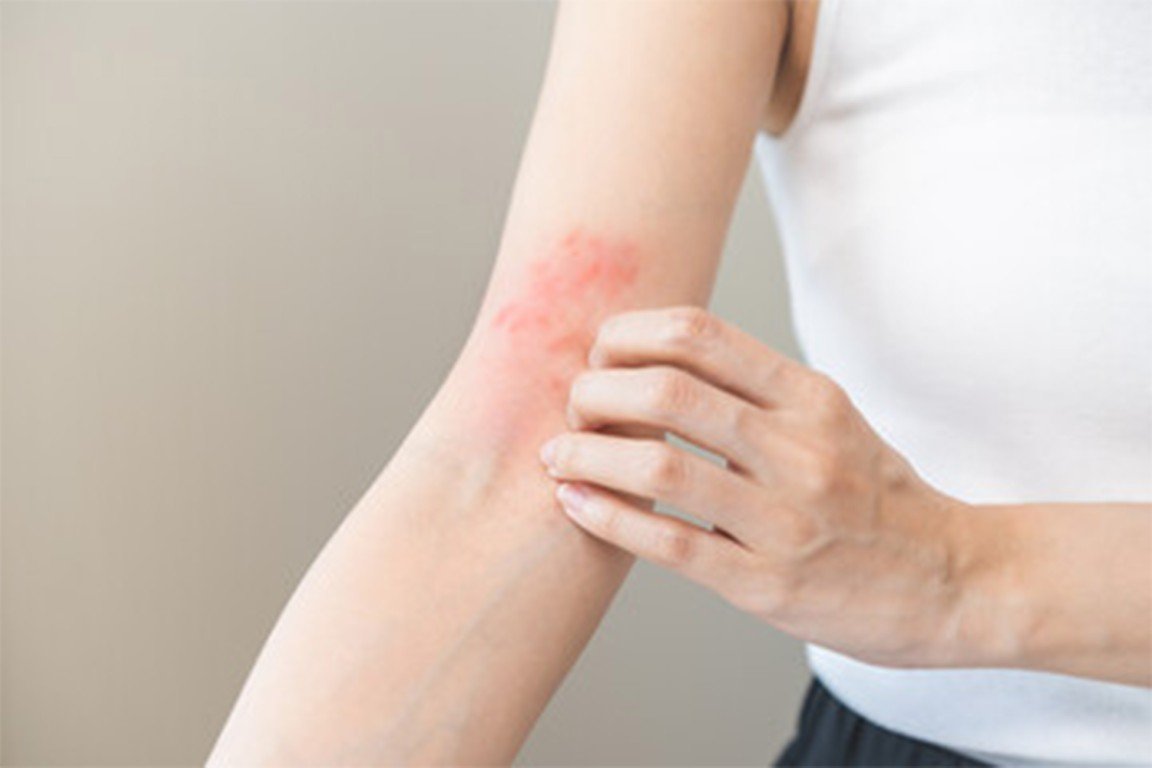
What is an Allergy?
An allergy is an overreaction of the immune system to substances that are typically harmless to most people. These substances, called allergens, can include pollen, dust mites, pet dander, certain foods, or medications. When exposed to these allergens, the immune system triggers symptoms such as sneezing, itching, skin rashes, congestion, or, in severe cases, difficulty breathing. Seeking timely Allergy Treatment in Mysore can help identify the underlying triggers and manage allergy symptoms effectively.
How Do We at APTA Treat It?
At APTA Clinic, we take a holistic and personalized approach to allergy management. Our team of dermatologists and immunologists begins with a detailed medical history and allergy testing to identify triggers. Based on the findings, we develop a tailored treatment plan that may include medication, immunotherapy (allergy shots or drops), dietary adjustments, and lifestyle recommendations to effectively control symptoms and prevent future allergic reactions.
Benefits of the Treatment
Targeted Relief
Our customized allergy treatment focuses on identifying and neutralizing your specific triggers, offering rapid and accurate symptom relief.
Improved Quality of Life
With controlled symptoms, you can enjoy daily life without the constant interruption of sneezing, itching, or discomfort.
Long-Term Management
Our proactive approach not only treats current symptoms but also helps reduce future reactions, promoting sustained wellness.
Why Choose APTA for Allergy?
APTA Clinic stands out for its comprehensive and compassionate allergy care. We blend cutting-edge diagnostic technology with personalized treatment plans to ensure lasting results. Our experienced specialists are committed to identifying the root cause of your allergy, not just managing the symptoms. With a patient-first approach, modern facilities, and evidence-based protocols, APTA offers a reliable path to a symptom-free, confident life.
Make Appointment
Expert Guidance, One Appointment Away
Ready to take the next step toward looking and feeling your best? Schedule your consultation with APTA Clinic today. Our experienced specialists are here to guide you with personalized care and expert advice. Whether you’re exploring cosmetic options or seeking advanced treatments, we’ll help you choose what’s right for you. Book your appointment now and let’s begin your journey to enhanced confidence.
Email Address
aptaclinics@gmail.com
Phone Number
+91 7411 707 555
Open Hours
Mon - Sun: 10.30AM - 7.30PM
Office Location
Krishnamurthy puram, Mysore
Personalized Allergy Care for Better Skin and Overall Comfort
Allergic reactions can affect the skin and other parts of the body, causing symptoms such as itching, redness, rashes, swelling, irritation, and discomfort. Some allergic conditions may be short-lived, while others can recur when a person is repeatedly exposed to a particular trigger. Identifying possible triggers and receiving appropriate medical guidance can help manage symptoms and reduce the impact of allergies on everyday life.
At APTA Clinic, we provide personalized Allergy Treatment in Mysore for patients experiencing different types of allergic and skin-related reactions. Our dermatology team evaluates your symptoms, medical history, skin condition, possible triggers, and previous treatments before recommending an appropriate management plan.
Allergies can be triggered by substances such as certain foods, medications, cosmetics, fragrances, dust, pollen, insects, environmental factors, or materials that come into contact with the skin. However, not every rash or itching episode is caused by an allergy. A professional assessment is important to identify the possible underlying cause.
If you are searching for the Best Allergy Treatment Clinic in Mysore, APTA Clinic focuses on careful evaluation, individualized treatment planning, symptom management, and preventive guidance.
What Is an Allergy?
An allergy occurs when the body’s immune system reacts to a substance that is generally harmless to most people. The triggering substance is known as an allergen.
Depending on the type of allergy and the area affected, symptoms may appear on the skin or involve other parts of the body.
Common allergic symptoms can include:
- Itching
- Redness
- Skin rash
- Hives
- Swelling
- Dry or irritated skin
- Sneezing
- Runny nose
- Watery or itchy eyes
- Breathing discomfort in some allergic conditions
The severity and duration of symptoms can vary significantly from one person to another.
Professional Allergy Treatment in Mysore begins with understanding the symptoms and identifying possible triggers.
Common Types of Allergic Conditions
Allergies can occur in several forms. Some primarily affect the skin, while others may involve the respiratory system or multiple areas of the body.
Contact Allergies
Contact allergy occurs when the skin reacts after coming into contact with a particular substance.
Potential triggers include:
- Cosmetics
- Fragrances
- Hair dyes
- Metals
- Soaps
- Detergents
- Certain fabrics
- Personal-care products
Symptoms may include redness, itching, swelling, dryness, or a rash in the area exposed to the trigger.
Urticaria or Hives
Hives are raised, itchy areas on the skin that can appear suddenly. They may occur due to allergies, infections, medications, physical triggers, or other causes.
Hives can vary in size and may appear on different parts of the body.
Atopic Dermatitis
Atopic dermatitis is a chronic inflammatory skin condition associated with dry, itchy, sensitive skin. Allergies can sometimes contribute to symptoms, although atopic dermatitis is not simply an allergic reaction.
Drug Allergies
Some individuals can develop allergic reactions to certain medications. Reactions may range from mild skin rashes to more serious symptoms requiring immediate medical attention.
Food-Related Allergies
Certain foods can trigger allergic reactions in susceptible individuals. Symptoms may involve the skin, digestive system, or respiratory system.
Food allergies should be evaluated carefully because reactions can vary in severity.
Common Allergy Triggers
Identifying triggers can be an important part of allergy management.
Common potential allergens include:
Dust and Dust Mites
Household dust and dust mites can trigger allergic symptoms in susceptible individuals.
Pollen
Pollen from plants and trees can contribute to seasonal allergic symptoms.
Pet Dander
Some individuals may develop allergic symptoms after exposure to proteins found in pet skin flakes, saliva, or other materials.
Cosmetics and Fragrances
Certain ingredients in skincare, makeup, perfumes, and personal-care products can cause contact reactions.
Metals
Nickel and other metals may cause contact dermatitis in sensitive individuals.
Foods
Certain foods can trigger allergic reactions. The specific food allergens vary from person to person.
Medications
Some medicines can cause allergic reactions in susceptible individuals.
Insect Stings
Insect bites or stings can cause localized reactions and, in some individuals, more significant allergic responses.
A dermatologist can help evaluate whether an allergy may be responsible for your symptoms.
Symptoms That May Require Allergy Evaluation
Consider seeking professional medical advice if you experience:
- Recurrent skin rashes
- Persistent itching
- Repeated hives
- Unexplained skin swelling
- Rash after using a particular product
- Reactions after consuming certain foods
- Skin problems after taking medication
- Recurrent allergic symptoms
- Symptoms that interfere with sleep or daily activities
Not every rash is an allergy, so professional assessment is important before assuming a particular trigger.
Why Choose APTA Clinic for Allergy Treatment in Mysore?
Allergic symptoms can have several possible causes. A detailed evaluation helps distinguish an allergic reaction from other dermatological conditions.
At APTA Clinic, our approach focuses on understanding the patient’s symptoms and identifying potential contributing factors.
Detailed Medical History
Your dermatologist may ask about:
- When symptoms started
- Frequency of reactions
- Possible triggers
- Medications
- Skincare products
- Food exposure
- Environmental exposure
- Previous allergic episodes
Skin Examination
The affected skin is evaluated to understand the pattern and characteristics of the reaction.
Individualized Treatment Planning
Treatment recommendations depend on the type and severity of symptoms, suspected triggers, medical history, and overall health.
Preventive Guidance
Identifying and avoiding known triggers can be an important part of long-term allergy management.
These factors make APTA Clinic a suitable option for patients seeking the Best Allergy Treatment Clinic in Mysore.
Allergy Diagnosis and Evaluation
Diagnosing an allergy usually begins with a detailed discussion of your symptoms and medical history.
Depending on your symptoms, your doctor may consider:
- Physical examination
- Medical history review
- Exposure history
- Medication review
- Food history
- Skin-related assessment
- Allergy testing when clinically appropriate
Not every patient requires allergy testing. The decision depends on your symptoms and suspected triggers.
If testing is recommended, your doctor can explain the purpose and what the results may indicate.
Allergy Treatment Options
The appropriate Allergy Treatment in Mysore depends on the type and severity of the allergic condition.
Trigger Avoidance
Identifying and avoiding the substance responsible for an allergic reaction is one of the most important aspects of management.
For example, if a particular cosmetic ingredient causes contact dermatitis, avoiding products containing that ingredient may help prevent future reactions.
Medications
Depending on the condition, your doctor may recommend medications to manage itching, inflammation, rashes, or other allergic symptoms.
Medication selection depends on age, symptoms, medical history, and other individual factors.
Topical Treatments
For certain skin allergies, topical medications may help reduce inflammation, itching, and irritation.
Your dermatologist will advise you on appropriate application and duration.
Moisturizing and Skin Care
Patients with dry or sensitive skin may benefit from an appropriate moisturizing routine. Maintaining the skin barrier can help reduce irritation and improve overall skin comfort.
Allergy-Specific Management
Some allergic conditions may require specialized evaluation or referral depending on the suspected trigger and severity of symptoms.
Managing Contact Allergies
Contact allergies can be particularly frustrating because the triggering substance may be difficult to identify.
If you repeatedly develop a rash after using a particular product, consider noting:
- Product name
- Ingredients
- Date of use
- Location of rash
- Time between exposure and symptoms
- Whether symptoms improve after stopping the product
This information can help your dermatologist identify possible patterns.
Avoid repeatedly applying a suspected irritant or allergen to the skin without professional advice.
Allergy Treatment for Children
Children can develop allergic reactions to foods, medications, environmental substances, or skin-contact triggers.
Parents should seek medical advice if a child develops:
- Recurrent unexplained rashes
- Persistent itching
- Repeated hives
- Swelling
- Symptoms following food or medication exposure
Treatment for children should always be guided by an appropriately qualified healthcare professional.
Allergy Treatment for Adults
Adults may develop new allergies even if they have never experienced significant allergic symptoms previously.
New reactions can be associated with changes in:
- Skincare products
- Cosmetics
- Workplace exposure
- Medications
- Diet
- Environment
- Lifestyle
A detailed medical and exposure history can help identify possible triggers.
How to Reduce Allergy Triggers at Home
Depending on the type of allergy, several practical measures may help reduce exposure.
Keep Living Areas Clean
Regular cleaning can help reduce dust accumulation.
Choose Personal-Care Products Carefully
If you have sensitive skin, use products recommended by your dermatologist and avoid unnecessary fragrances or irritants.
Read Product Labels
Check ingredient lists when you have a known contact allergy.
Follow Medication Instructions
Take prescribed medications only as directed by your healthcare professional.
Maintain a Symptom Diary
Recording symptoms, foods, products, medications, and environmental exposure may help identify patterns.
Allergy Prevention and Long-Term Management
Allergy management is often about reducing exposure to known triggers and controlling symptoms when they occur.
A long-term strategy may include:
- Identifying possible allergens
- Avoiding confirmed triggers
- Following prescribed treatment
- Maintaining appropriate skincare
- Monitoring recurring symptoms
- Attending follow-up appointments
- Seeking prompt care for severe reactions
If your symptoms continue despite treatment, your doctor may reassess the diagnosis or treatment plan.
When Is an Allergy an Emergency?
Most allergic reactions are mild, but some can become serious.
Seek immediate emergency medical attention if an allergic reaction causes symptoms such as:
- Difficulty breathing
- Severe swelling of the lips, tongue, or throat
- Fainting or severe dizziness
- Sudden widespread reaction with breathing or circulation problems
These symptoms may indicate a severe allergic reaction and require urgent medical care.
For recurring or non-emergency allergic symptoms, schedule a professional evaluation rather than self-treating indefinitely.
Why Professional Allergy Care Matters
Self-diagnosing an allergy can sometimes lead to unnecessary restrictions or inappropriate treatment. A rash, itching, or swelling may have several possible causes, including infections, inflammatory skin conditions, medication reactions, or other dermatological disorders.
A professional assessment helps determine the most likely cause and guides appropriate management.
At APTA Clinic, our dermatology team evaluates the patient’s symptoms and history before recommending Allergy Treatment in Mysore.
Why Choose APTA Clinic for Allergy Care?
APTA Clinic provides personalized dermatological care for patients experiencing allergic and skin-related symptoms.
Our approach includes:
- Detailed symptom assessment
- Medical and exposure history
- Skin examination
- Individualized treatment planning
- Trigger-avoidance guidance
- Appropriate medication recommendations
- Follow-up care when required
If you are looking for the Best Allergy Treatment Clinic in Mysore, our team can help you understand your symptoms and explore suitable management options.
Book Your Allergy Consultation in Mysore
Recurring itching, rashes, hives, or swelling can interfere with everyday comfort and may indicate an allergic or other dermatological condition. Identifying the underlying cause is an important first step toward appropriate management.
At APTA Clinic, we provide personalized Allergy Treatment in Mysore based on your symptoms, medical history, skin condition, and possible triggers.
Whether you are experiencing a recurring skin rash, contact reaction, hives, or another suspected allergic condition, our dermatology team can evaluate your symptoms and recommend an appropriate treatment plan.
Do not continue using a product or medication that you suspect is causing an allergic reaction without professional advice.
Book your consultation at APTA Clinic today for personalized allergy care.
Frequently Asked Questions
Common symptoms include itching, redness, rashes, hives, swelling, watery eyes, sneezing, and irritation. Symptoms vary depending on the type of allergy and the area affected.
Skin allergies may be triggered by cosmetics, fragrances, metals, medications, detergents, certain fabrics, plants, or other substances that come into contact with the skin.
Diagnosis generally begins with a detailed medical and exposure history along with a physical examination. Allergy testing may be recommended in selected cases depending on the suspected trigger and symptoms.
Some allergies can be effectively managed by identifying and avoiding triggers, while others may require ongoing symptom management. The outlook depends on the type of allergy and individual circumstances.
Treatment may include trigger avoidance, medications, topical treatments, skincare measures, and other allergy-specific approaches depending on the condition and severity.
You should consider professional evaluation if symptoms are recurrent, persistent, unexplained, worsening, or interfering with your daily activities. A dermatologist can help determine whether the symptoms are related to an allergy or another skin condition.
APTA Clinic provides detailed evaluation, personalized treatment planning, professional skincare guidance, trigger-avoidance advice, and appropriate follow-up care, making it a suitable choice for patients seeking the Best Allergy Treatment Clinic in Mysore.