
Jaw Cyst and Tumour Treatment in Mysore
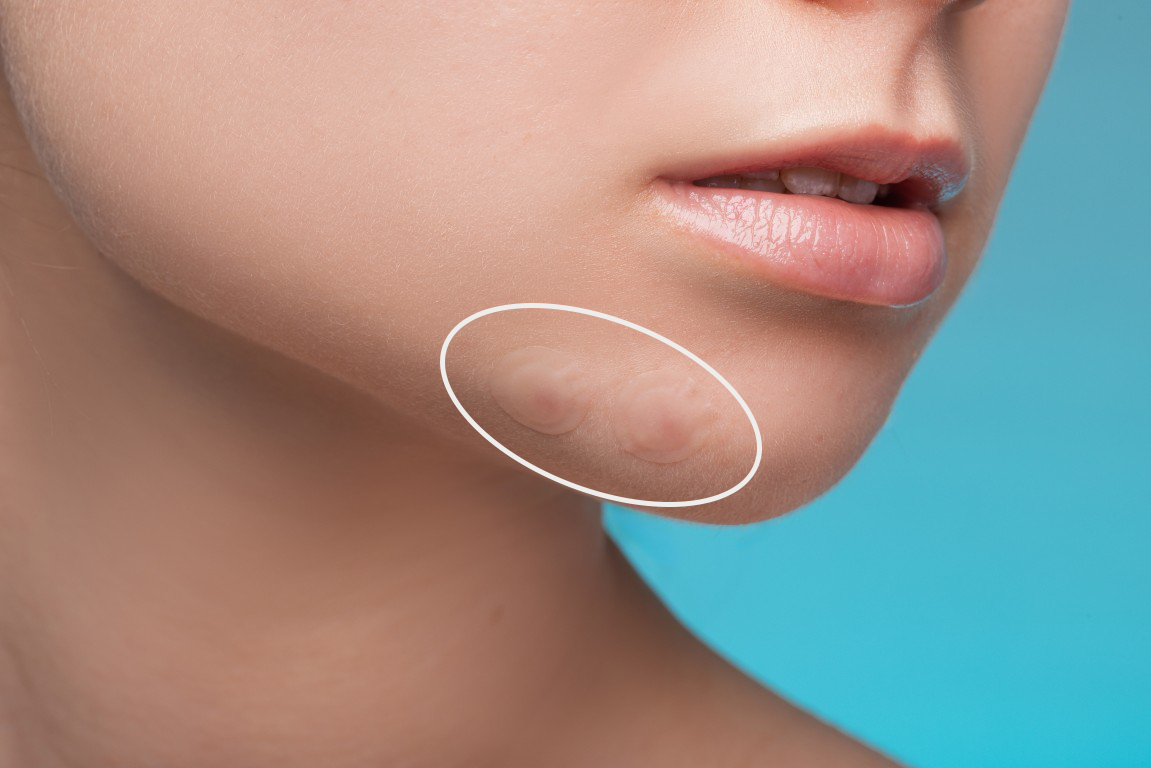
What are Jaw Cysts and Tumours?
Jaw Cyst and Tumour Treatment in Mysore focuses on diagnosing and treating abnormal growths that develop within the jawbone or surrounding tissues. While most jaw cysts and tumours are benign (non-cancerous), they can cause pain, swelling, facial deformity, and tooth displacement if left untreated. These growths may be discovered through routine dental X-rays or present with symptoms like jaw enlargement, numbness, or persistent discomfort.
How Do We at APTA Treat It?
At APTA Clinic, treatment begins with advanced imaging such as 3D scans or biopsies to diagnose the type and extent of the lesion. Depending on the case, treatment may involve surgical removal (enucleation or resection), bone reconstruction, and close follow-up care. Our goal is complete removal of the growth with minimal impact on jaw function and appearance, while ensuring patient safety and long-term recovery.
Benefits of the Treatment
Prevention of Further Jaw Damage
Early removal stops the growth from weakening the jawbone or affecting nearby teeth and nerves.
Restored Facial Symmetry & Function
Surgical correction helps regain natural contours and jaw movement, restoring both aesthetics and function.
Reduced Risk of Recurrence
Accurate diagnosis and complete removal significantly lower the chances of regrowth or complications.
Why Choose APTA for Cysts and Tumours of the Jaw?
At APTA Clinic, we bring together oral surgeons, pathologists, and reconstructive experts to handle complex jaw conditions with precision. Our minimally invasive techniques and modern surgical planning tools ensure effective treatment with faster healing. With a patient-first approach, we guide you through diagnosis, treatment, and recovery with care and clarity.
Make Appointment
Expert Guidance, One Appointment Away
Ready to take the next step toward looking and feeling your best? Schedule your consultation with APTA Clinic today. Our experienced specialists are here to guide you with personalized care and expert advice. Whether you’re exploring cosmetic options or seeking advanced treatments, we’ll help you choose what’s right for you. Book your appointment now and let’s begin your journey to enhanced confidence.
Email Address
aptaclinics@gmail.com
Phone Number
+91 7411 707 555
Open Hours
Mon - Sun: 10.30AM - 7.30PM
Office Location
Krishnamurthy puram, Mysore
Personalized Jaw Cyst & Tumour Care for Effective Treatment & Recovery
Jaw cysts and tumours can develop within the bones or soft tissues of the upper and lower jaw. Some may remain unnoticed for a long time and are discovered during a routine dental examination or imaging scan, while others can cause swelling, pain, changes in the bite, loose teeth, or facial asymmetry. Jaw Cyst and Tumour Treatment in Mysore focuses on identifying the nature of the lesion and selecting an appropriate treatment based on its size, location, type, and effect on surrounding structures.
Not every jaw lesion is cancerous. Many jaw cysts and tumours are benign, meaning they do not spread to distant parts of the body. However, even a benign lesion can sometimes grow, weaken the jawbone, displace teeth, or affect nearby nerves and tissues. Early assessment is therefore important when an abnormality is suspected.
If you are looking for Jaw Cyst and Tumour Treatment in Mysore, a detailed evaluation by an appropriately trained oral, maxillofacial, or facial surgery specialist can help determine the most suitable course of action. Treatment may range from monitoring selected small lesions to surgical removal and reconstruction for larger or more complex conditions.
What Are Jaw Cysts and Tumours?
Jaw cysts are fluid-filled or semi-fluid-filled cavities that can develop inside the jawbone or surrounding tissues. Some are associated with teeth, while others may develop independently.
Jaw tumours are abnormal growths of cells within the jaw. They can be benign or, less commonly, malignant. Their behaviour varies significantly depending on the specific diagnosis.
Common symptoms may include:
- Jaw swelling
- Facial swelling or asymmetry
- Persistent pain or discomfort
- Tooth displacement
- Loose teeth
- Changes in the bite
- Difficulty opening the mouth
- Numbness or altered sensation
- Delayed eruption of teeth
- A lump inside the mouth
Some lesions produce no symptoms at all. This is why routine dental examinations and appropriate imaging can sometimes identify jaw abnormalities before they become noticeable.
Why Is Early Diagnosis Important?
A jaw lesion can gradually increase in size without causing significant symptoms. As it grows, it may affect surrounding teeth, nerves, blood vessels, or other facial structures.
Early diagnosis can help determine the lesion’s nature and prevent avoidable complications. Depending on the condition, treatment may be simpler when the lesion is identified at an earlier stage.
Jaw Cyst and Tumour Treatment in Mysore begins with understanding exactly what type of lesion is present. A visible swelling alone is not enough to determine the diagnosis. Clinical examination and imaging, and sometimes tissue testing, may be required.
Common Types of Jaw Cysts
Several types of cysts can affect the jaws.
Radicular Cysts
These cysts are often associated with teeth that have experienced significant infection or damage to the pulp. They may develop around the root of an affected tooth.
Dentigerous Cysts
A dentigerous cyst is associated with the crown of an unerupted tooth. These cysts are frequently identified through dental imaging.
Odontogenic Keratocysts
These lesions arise from tissues involved in tooth development and can occur within the jawbone. Some have a tendency to recur, making appropriate diagnosis and follow-up important.
Other Jaw Cysts
There are additional developmental and inflammatory cysts that can occur in the jaw. Their treatment depends on the specific diagnosis and anatomical location.
Common Types of Jaw Tumours
Jaw tumours can also vary considerably.
Ameloblastoma
Ameloblastoma is a benign but locally aggressive tumour that commonly develops in the jaw. Although it does not typically spread like a malignant cancer, it can grow significantly and affect surrounding bone and teeth.
Odontogenic Tumours
Some tumours arise from tissues associated with tooth development. Their behaviour and treatment requirements vary according to the specific type.
Other Benign Tumours
Various benign growths can affect the jawbone. Some may require removal while others may be monitored depending on their characteristics.
Malignant Tumours
A small proportion of jaw lesions can be malignant. These require prompt specialist assessment and coordinated cancer care.
Because different lesions can appear similar clinically, accurate diagnosis is essential before selecting treatment.
What Causes Jaw Cysts and Tumours?
The cause depends on the type of lesion. Some cysts are related to dental infection, while others develop from developmental tissues. Certain tumours may arise from cells involved in tooth formation or bone development.
Previous trauma, inflammation, genetic factors, and other biological processes may also play a role in some conditions.
There is no single cause that applies to all jaw cysts and tumours. A specialist evaluation is necessary to understand the likely origin of an individual lesion.
How Are Jaw Cysts and Tumours Diagnosed?
Diagnosis generally begins with a clinical examination. The specialist may examine the teeth, gums, jaw, facial symmetry, oral tissues, and any swelling or lump.
Imaging is often an important part of evaluation. Depending on the suspected lesion, the clinician may recommend:
- Dental X-rays
- Panoramic imaging
- CT scans
- CBCT scans
- MRI in selected cases
In some situations, a biopsy may be necessary. A biopsy involves obtaining a tissue sample for laboratory examination to determine the exact nature of the lesion.
A professional Best Tumour and Cyst Treatment Clinic in Mysore should emphasize accurate diagnosis before recommending definitive treatment.
Jaw Cyst and Tumour Treatment Options
Treatment depends on the diagnosis, lesion size, location, growth pattern, symptoms, and relationship to surrounding structures.
Observation
Some small, inactive lesions may be monitored with regular clinical examinations and imaging. Observation is only appropriate when the specialist determines that immediate intervention is unnecessary.
Enucleation
Enucleation involves removing the cystic lesion from the surrounding tissue. It may be appropriate for certain cysts depending on their size and location.
Curettage
Curettage involves removing the lesion and a surrounding layer of tissue. The specific technique depends on the type of lesion and recurrence risk.
Decompression
For selected larger cystic lesions, decompression may be considered to reduce pressure and allow the lesion to decrease in size before definitive treatment.
Surgical Resection
Some aggressive or extensive tumours may require removal of the affected portion of the jaw. Reconstruction may be necessary depending on the amount of bone removed.
The appropriate procedure is determined after diagnosis and detailed treatment planning.
Jaw Cyst and Tumour Treatment for Children
Jaw lesions can also occur in children and adolescents. Because growing jaws and developing teeth are involved, treatment requires special consideration.
A cyst or tumour may interfere with tooth eruption, jaw growth, or facial development. Early evaluation can help specialists determine whether conservative treatment is possible.
Treatment should be planned carefully to preserve healthy teeth and developing structures whenever clinically appropriate.
When Should You See a Specialist?
You should consider professional evaluation if you notice:
- Persistent swelling in the jaw
- A lump inside the mouth
- Unexplained facial asymmetry
- Persistent jaw pain
- Loose or displaced teeth without an obvious cause
- Difficulty opening the mouth
- Numbness in the lip or face
- Changes in your bite
- Delayed tooth eruption
- An abnormality identified on a dental X-ray
A painless swelling should not necessarily be ignored. Some jaw lesions can remain asymptomatic while continuing to grow.
What Happens During Treatment?
The treatment process depends on the diagnosis. Before surgery, the specialist reviews the clinical examination, imaging, and biopsy results when applicable.
The procedure is performed using appropriate anesthesia. For smaller lesions, treatment may involve removal of the cyst or tumour through a localized surgical approach.
Larger or more complex lesions may require a more extensive operation. If significant bone has been removed, reconstructive procedures may be considered to restore jaw continuity, function, and appearance.
The treatment plan should be explained clearly before the procedure, including expected recovery and possible complications.
Is Jaw Cyst and Tumour Treatment Safe?
Surgical treatment can be performed safely when appropriately planned and carried out by qualified specialists. However, every surgical procedure has potential risks.
Depending on the lesion and procedure, possible risks may include:
- Pain and swelling
- Bleeding
- Infection
- Scarring
- Temporary or permanent nerve changes
- Damage to nearby teeth or structures
- Jaw weakness or fracture in extensive lesions
- Recurrence
- Need for additional surgery
The specific risks depend heavily on the location and type of lesion.
A reputable Best Tumour and Cyst Treatment Clinic in Mysore should discuss these risks and explain the expected benefits before treatment.
Recovery After Jaw Surgery
Recovery varies according to the size and complexity of the procedure. Minor procedures may involve relatively short recovery periods, while extensive jaw surgery can require significantly more time.
Patients may experience swelling, bruising, tenderness, or temporary difficulty with eating after surgery. Specific dietary and oral hygiene instructions may be provided.
Following the surgeon’s instructions and attending scheduled follow-up appointments are important for monitoring healing and identifying any recurrence or complications.
Why Choose the Best Tumour and Cyst Treatment Clinic in Mysore?
Treatment of jaw cysts and tumours requires accurate diagnosis and careful surgical planning. Choosing a qualified clinic can make an important difference in the quality of care.
When searching for the Best Tumour and Cyst Treatment Clinic in Mysore, consider:
- Specialist experience in facial and jaw surgery
- Detailed clinical assessment
- Appropriate imaging facilities
- Access to biopsy and pathology when required
- Individualized treatment planning
- Proper surgical and infection-control protocols
- Clear explanation of treatment alternatives
- Comprehensive post-operative follow-up
Patients should not select a clinic solely on the basis of cost. Accurate diagnosis, specialist expertise, and appropriate follow-up are important considerations.
Why Choose APTA Clinic?
APTA Clinic provides facial surgery and specialized aesthetic care with an emphasis on individualized treatment planning. Jaw lesions can differ significantly in their size, location, behaviour, and relationship to important facial structures.
For patients considering Jaw Cyst and Tumour Treatment in Mysore, professional assessment can help determine the nature of the lesion and identify an appropriate treatment pathway.
Depending on the findings, the treatment plan may involve observation, surgical removal, or more comprehensive reconstructive management. Where necessary, appropriate investigations and specialist collaboration can form part of the overall care plan.
Preparing for Jaw Cyst or Tumour Surgery
Before surgery, provide your specialist with complete information about:
- Current medications
- Allergies
- Existing medical conditions
- Previous surgeries
- Dental history
- Previous jaw injuries
- Smoking or tobacco use
- Previous reactions to anesthesia
If you are taking blood-thinning medication, inform your doctor. Never stop prescribed medication without professional advice.
If general anesthesia or sedation is planned, the medical team will provide specific instructions regarding fasting and preparation.
Aftercare and Follow-Up
After Jaw Cyst and Tumour Treatment in Mysore, follow the instructions provided by your surgical team. Depending on the procedure, you may need to follow a soft diet temporarily and maintain careful oral hygiene.
Take prescribed medication as directed and attend follow-up appointments. Imaging may sometimes be recommended after treatment to monitor healing or detect recurrence.
Contact your healthcare provider if you develop increasing pain, persistent bleeding, fever, significant swelling, difficulty breathing or swallowing, or other concerning symptoms.
Can Jaw Cysts or Tumours Come Back?
Some lesions have a higher recurrence risk than others. The likelihood depends on the specific diagnosis, surgical technique, completeness of removal, and biological behaviour of the lesion.
This is why long-term follow-up can be important for certain conditions. Your specialist can explain whether periodic clinical examinations or imaging are recommended.
Book a Consultation
If you have persistent jaw swelling, unexplained facial asymmetry, a lump, dental changes, or an abnormality identified through imaging, professional evaluation is important. Jaw Cyst and Tumour Treatment in Mysore should always begin with an accurate diagnosis so that the appropriate treatment can be selected.
APTA Clinic provides personalized facial surgery care with an emphasis on detailed assessment and individualized treatment planning. If you are searching for the Best Tumour and Cyst Treatment Clinic in Mysore, consider specialist expertise, diagnostic capabilities, surgical safety, and long-term follow-up when making your decision.
Schedule a consultation to discuss your symptoms or diagnosis and learn about the appropriate treatment options for your jaw condition.
Frequently Asked Questions
Jaw cysts are abnormal cavities that may contain fluid or other material, while jaw tumours are abnormal tissue growths. They can be benign or, less commonly, malignant.
Some lesions cause no symptoms. Others may result in swelling, pain, facial asymmetry, loose or displaced teeth, bite changes, numbness, or difficulty opening the mouth.
Diagnosis may involve clinical examination, dental X-rays, CBCT or CT scans, MRI in selected cases, and sometimes a biopsy to identify the exact type of lesion.
No. Some small or inactive lesions may be monitored. Others require surgical removal because of their size, growth, symptoms, recurrence risk, or effect on surrounding structures.
The procedure is performed under appropriate anesthesia to control pain during surgery. Some swelling, tenderness, or discomfort may occur during recovery and can generally be managed according to medical instructions.
Some lesions can recur, particularly certain types that have a higher recurrence tendency. Follow-up appointments and imaging may be recommended depending on the diagnosis.
Look for a clinic with qualified facial or jaw surgery specialists, accurate diagnostic facilities, appropriate imaging, individualized treatment planning, and structured follow-up. A consultation can help you understand the diagnosis and available treatment options.