
Facial Asymmetry Treatment in Mysore
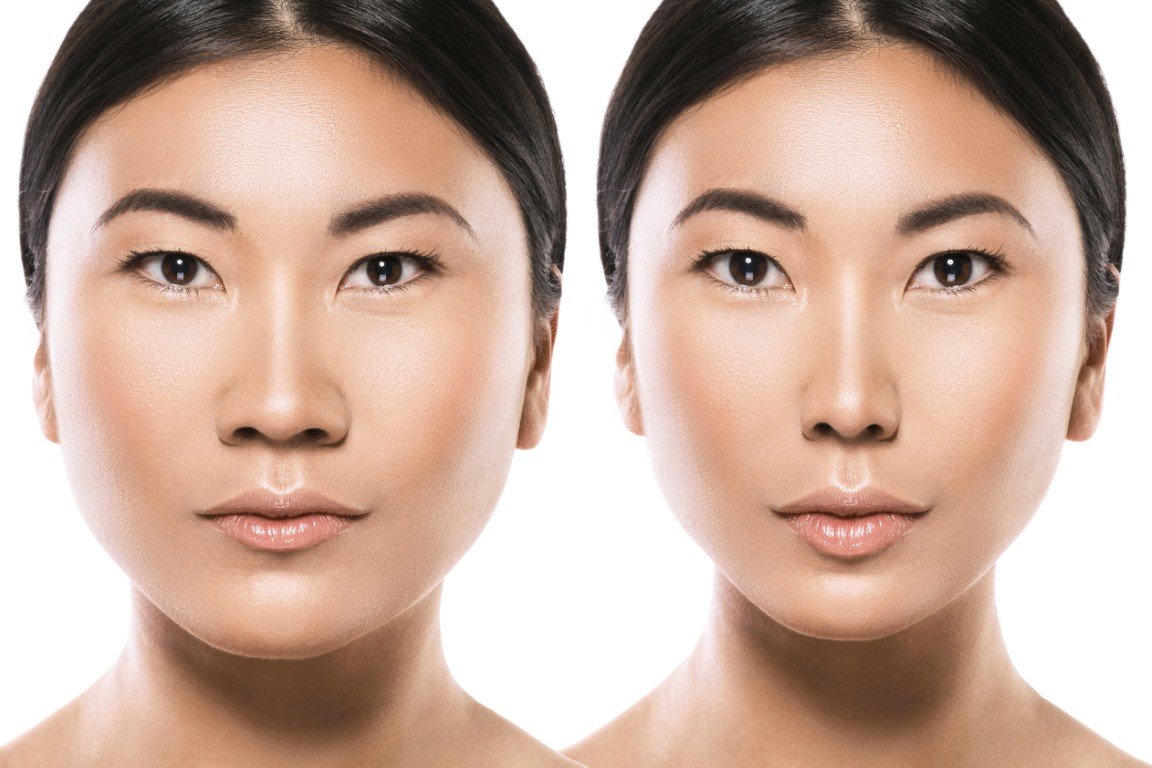
What is Facial Asymmetry?
Facial Asymmetry Treatment in Mysore focuses on addressing noticeable differences between the two sides of the face in terms of size, shape, or position. While mild facial asymmetry is common and natural, significant imbalance can result from congenital conditions, trauma, growth disturbances, or underlying skeletal discrepancies. Severe cases may affect appearance, bite alignment, and even speech or breathing.
How Do We at APTA Treat It?
At APTA Clinic, we use a detailed diagnostic process involving facial scans, photographs, and bite analysis to understand the extent and cause of the asymmetry. Depending on the condition, treatment options may include orthognathic surgery, soft tissue correction, fat grafting, implants, or non-surgical options like fillers. Each case is approached with a personalized plan to restore balance and harmony to the face.
Benefits of the Treatment
Balanced Facial Appearance
Surgical or non-surgical correction improves symmetry, creating a more proportionate and natural-looking face.
Improved Oral and Jaw Function
Jaw alignment corrections enhance bite efficiency and reduce strain on the temporomandibular joint.
Boosted Confidence and Expression
Restoring symmetry often leads to greater self-assurance and improved facial expressiveness in social settings.
Why Choose APTA for Asymmetrical Face Corrections?
APTA Clinic offers comprehensive correction for facial asymmetry with a blend of surgical precision and aesthetic sensibility. Our team includes facial surgeons, orthodontists, and cosmetic experts who collaborate to deliver customized, safe, and natural-looking outcomes. We focus not only on correction but also on achieving harmony that aligns with your unique facial features.
Make Appointment
Expert Guidance, One Appointment Away
Ready to take the next step toward looking and feeling your best? Schedule your consultation with APTA Clinic today. Our experienced specialists are here to guide you with personalized care and expert advice. Whether you’re exploring cosmetic options or seeking advanced treatments, we’ll help you choose what’s right for you. Book your appointment now and let’s begin your journey to enhanced confidence.
Email Address
aptaclinics@gmail.com
Phone Number
+91 7411 707 555
Open Hours
Mon - Sun: 10.30AM - 7.30PM
Office Location
Krishnamurthy puram, Mysore
Personalized Facial Asymmetry Care for a More Balanced, Natural Look
Facial symmetry plays an important role in the overall appearance and balance of the face. However, perfectly symmetrical facial features are uncommon. Small differences between the two sides of the face are natural, while more noticeable differences may result from genetics, development, previous injuries, dental or skeletal conditions, ageing, or changes in soft tissue.
Facial Asymmetry Treatment in Mysore focuses on identifying the underlying reason for facial imbalance and selecting an appropriate treatment approach. Depending on the type and severity of asymmetry, treatment may involve non-surgical aesthetic procedures, dental or orthodontic care, injectable treatments, or facial surgery.
At APTA Clinic, facial concerns are evaluated individually so that treatment can be planned according to the patient’s facial structure, concerns, and desired outcome. If you are considering Facial Asymmetry Treatment in Mysore, a professional consultation is an important first step toward understanding the available options.
What Is Facial Asymmetry?
Facial asymmetry refers to noticeable differences in the size, shape, position, or contour of corresponding facial features on the left and right sides. Minor asymmetry is extremely common and is often barely noticeable. More pronounced differences can affect facial proportions and may become a cosmetic concern.
Asymmetry can involve different parts of the face, including the:
- Jawline
- Chin
- Cheeks
- Nose
- Eyes and eyebrows
- Lips
- Forehead
- Midface
- Lower face
The cause of asymmetry is an important factor in determining treatment. For example, an imbalance caused by soft-tissue volume may require a different approach from asymmetry caused by an underlying skeletal difference.
A consultation at a Facial Asymmetry Clinic in Mysore can help determine whether the difference is primarily related to bone structure, soft tissue, dental alignment, muscle activity, or another factor.
What Causes Facial Asymmetry?
There are several possible causes of facial asymmetry. Understanding the underlying cause helps a specialist recommend the most appropriate treatment.
Genetics and Natural Development
Some facial asymmetry develops naturally as the face grows. Differences in jaw, cheekbone, or other facial structures can be inherited or develop during childhood and adolescence.
Trauma or Injury
A previous facial injury or fracture can affect bone alignment and soft-tissue contours. Even after healing, differences between the two sides may remain.
Dental and Jaw Alignment
Changes in bite, tooth alignment, jaw position, or other dental factors can influence facial balance. In some cases, orthodontic or dental evaluation may be appropriate before considering cosmetic treatment.
Soft-Tissue Differences
Differences in fat distribution, muscle size, or skin volume can create visible asymmetry. These concerns may sometimes be addressed with carefully selected non-surgical treatments.
Ageing
Ageing does not always affect both sides of the face in exactly the same way. Changes in skin elasticity, fat distribution, and muscle activity can make pre-existing asymmetry more noticeable.
Medical or Neurological Conditions
Certain conditions can cause changes in facial movement or appearance. If asymmetry develops suddenly, especially when accompanied by weakness, numbness, speech difficulty, or other neurological symptoms, urgent medical evaluation is important rather than cosmetic treatment.
Types of Facial Asymmetry
Facial asymmetry can be broadly categorized according to the structures involved.
Skeletal Asymmetry
Skeletal asymmetry involves differences in the underlying facial bones. It may affect the jaw, chin, cheekbones, or other structures. Significant skeletal differences may require surgical assessment.
Soft-Tissue Asymmetry
Soft-tissue differences involve skin, fat, muscle, or other soft tissues. Depending on the cause, these concerns may sometimes be addressed through minimally invasive aesthetic procedures.
Dental Asymmetry
Dental or bite-related issues can influence the appearance of the lower face. An assessment by an appropriate dental or orthodontic specialist may be recommended when the bite contributes to facial imbalance.
Dynamic Asymmetry
Some asymmetry becomes more visible when the face moves, smiles, or makes expressions. Differences in muscle activity can contribute to this type of facial imbalance.
Facial Asymmetry Treatment Options
The appropriate approach depends on the cause, severity, age, facial anatomy, and treatment goals. There is no single procedure suitable for every patient.
Dermal Fillers
In selected cases, injectable fillers can be used to improve minor differences in facial volume or contour. For example, a specialist may use a filler to balance the appearance of the cheeks or chin.
Because fillers alter soft-tissue volume, they are not suitable for correcting significant skeletal asymmetry.
Muscle-Relaxing Injections
When muscle activity contributes to facial imbalance, carefully administered muscle-relaxing injections may sometimes be considered. Treatment must be precisely planned to avoid creating further imbalance.
Orthodontic or Dental Treatment
If facial asymmetry is associated with tooth positioning or bite alignment, orthodontic treatment may be part of the overall management plan.
Surgical Correction
More pronounced structural asymmetry may require facial surgery. Surgical options depend entirely on the underlying anatomy and may involve the jaw, chin, nose, or other facial structures.
A specialist assessment is necessary to determine whether surgery is appropriate and which procedure would provide the most suitable correction.
Who Can Consider Facial Asymmetry Treatment?
People who are concerned about noticeable differences between the two sides of their face may consider an evaluation. The treatment approach depends on whether the asymmetry is primarily cosmetic, structural, dental, muscular, or related to another condition.
Facial Asymmetry Treatment in Mysore may be considered for adults who want to improve facial balance and proportion. In younger patients, facial growth and development need to be considered before deciding on certain procedures.
A detailed consultation allows the specialist to assess facial proportions and determine whether treatment is necessary or appropriate.
How Is Facial Asymmetry Diagnosed?
Diagnosis generally begins with a detailed consultation and physical examination. The specialist may evaluate the face from different angles and examine facial movement, jaw position, chin alignment, skin and soft-tissue volume, and overall proportions.
Depending on the suspected cause, additional investigations or imaging may be recommended. Photographs can also help in analyzing symmetry and monitoring changes during treatment.
A professional Facial Asymmetry Clinic in Mysore should focus on identifying the cause rather than simply treating the most visible difference.
What Happens During a Consultation?
During your consultation, you can discuss what you notice about your facial appearance and what you would like to improve. The specialist may ask about when the asymmetry first became noticeable, whether it has changed over time, and whether there is a history of injury or dental treatment.
Your medical history, medications, allergies, previous cosmetic procedures, and expectations may also be reviewed.
The specialist can then explain possible treatment options and their limitations. In some cases, the recommended approach may involve observation rather than immediate treatment, particularly when the asymmetry is minor and does not cause functional or cosmetic concerns.
Benefits of Facial Asymmetry Treatment
The potential benefits depend on the type of correction selected. Treatment may help:
- Improve facial balance
- Create more proportionate facial contours
- Address differences in soft-tissue volume
- Improve the appearance of the jawline or chin
- Correct selected structural concerns
- Enhance confidence about facial appearance
The objective should be balanced, natural-looking improvement rather than creating perfect mathematical symmetry. Human faces naturally contain subtle differences, and eliminating every difference is neither realistic nor necessary.
Why Choose a Professional Facial Asymmetry Clinic in Mysore?
Facial asymmetry can involve complex relationships between bone, muscle, skin, fat, teeth, and facial movement. Choosing a qualified professional is therefore important.
When searching for a Facial Asymmetry Clinic in Mysore, consider whether the clinic:
- Provides detailed facial assessment
- Evaluates the underlying cause
- Offers personalized treatment plans
- Has appropriately trained specialists
- Explains both surgical and non-surgical options where relevant
- Discusses potential risks and limitations
- Uses appropriate technology and clinical techniques
- Provides follow-up care
Avoid clinics that promise perfect symmetry or guaranteed results. Facial correction should always be approached with realistic expectations.
Why Choose APTA Clinic?
APTA Clinic provides facial surgery, dermatology, aesthetic, and other specialized services with a focus on individualized patient care. Facial concerns can vary significantly from one person to another, making personalized assessment particularly important.
For patients considering Facial Asymmetry Treatment in Mysore, a consultation can help identify the nature of the asymmetry and determine which treatment options may be appropriate.
The goal of treatment is to improve facial harmony while maintaining natural-looking proportions. Depending on the patient’s needs, treatment may involve a non-surgical procedure or require more comprehensive surgical planning.
Surgical Facial Asymmetry Correction
Surgery may be considered when asymmetry is related to significant structural differences that cannot be adequately corrected with non-surgical procedures.
The specific operation depends on the affected facial structures. Surgical correction may involve reshaping or repositioning certain structures to improve facial balance.
Because facial surgery is more extensive than non-surgical treatment, patients should receive a detailed consultation covering expected results, recovery, possible risks, and aftercare.
The final treatment decision should be made after careful evaluation of facial anatomy and the patient’s goals.
Recovery After Treatment
Recovery depends on the type of treatment performed. Non-surgical treatments may involve relatively limited downtime, while surgical procedures can require a longer recovery period.
After surgery, swelling, bruising, tenderness, and temporary changes in facial appearance may occur. The specialist will provide specific instructions for wound care, medication, activity restrictions, and follow-up appointments.
Patients should follow all aftercare instructions carefully and attend recommended follow-up visits.
What Results Can You Expect?
The results of Facial Asymmetry Treatment in Mysore vary depending on the cause and treatment method. Non-surgical treatments may provide subtle improvements in soft-tissue balance, while surgical correction can address certain structural differences more comprehensively.
It is important to understand that complete facial symmetry is not a realistic goal. The objective is generally to improve overall balance and proportion while preserving natural facial characteristics.
Results may also change over time because ageing and other natural processes continue after treatment.
How to Prepare for Treatment
Preparation depends on the procedure selected. Before treatment, provide your specialist with complete information about:
- Existing medical conditions
- Current medications
- Allergies
- Previous facial injuries
- Dental or orthodontic treatment
- Previous cosmetic procedures
- Previous surgeries
- Any history of unusual reactions to treatments
Do not stop prescribed medications unless your healthcare professional specifically advises you to do so.
Book a Consultation for Facial Asymmetry Treatment
If differences between the two sides of your face are affecting your appearance or confidence, professional assessment can help you understand the available options. Facial Asymmetry Treatment in Mysore should always begin with an evaluation of the underlying cause rather than choosing a procedure based solely on appearance.
APTA Clinic focuses on personalized facial and aesthetic care, helping patients understand suitable treatment options according to their individual anatomy and goals. If you are searching for the Best Facial Asymmetry Clinic in Mysore, consider the quality of assessment, specialist expertise, treatment planning, safety standards, and aftercare support.
Schedule a consultation to discuss your facial concerns and learn whether non-surgical or surgical correction may be appropriate for you.
Frequently Asked Questions
Facial asymmetry treatment refers to procedures designed to improve noticeable differences between the two sides of the face. Depending on the cause, treatment may involve injectables, dental or orthodontic care, or facial surgery.
Complete symmetry is generally not realistic because natural facial differences are normal. Treatment aims to improve balance and proportion rather than create perfectly identical sides.
Not always. Mild asymmetry may sometimes be addressed with non-surgical procedures, while significant skeletal or structural asymmetry may require surgery.
A professional assessment is necessary. The specialist will evaluate your facial structure, soft tissues, jaw and dental alignment, facial movement, medical history, and treatment goals before recommending an approach.
The safety of treatment depends on the procedure, individual health, practitioner expertise, and appropriate treatment planning. A qualified professional should explain potential risks before treatment.
The duration depends on the treatment performed. Some injectable procedures require maintenance, while surgical corrections can provide longer-lasting structural changes. Natural ageing may affect results over time.
Look for a clinic that offers comprehensive facial assessment, experienced specialists, individualized treatment planning, appropriate technology, transparent communication, and proper follow-up care. A consultation is the best way to assess whether treatment is suitable for you.