
Gynecomastia Surgery
- Home
- Blog
- Gynecomastia Surgery
Say Goodbye to Man Boobs: Advanced Gynecomastia Surgery at Apta Clinic Mysore
Gynecomastia (pronounced guy-nuh-koh-MAS-tee-uh) is a common condition in which men develop enlarged breast tissue. While it can be surprising or even embarrassing for those experiencing it, gynecomastia is usually harmless and it is treatable.
Understanding why it happens and what can be done about it can make a big difference both physically and emotionally because there are lot of men who feel anxious about this condition and feel under confident. Few study says that gynaecomastia affects up to 65% of adolescent boys at some stage.
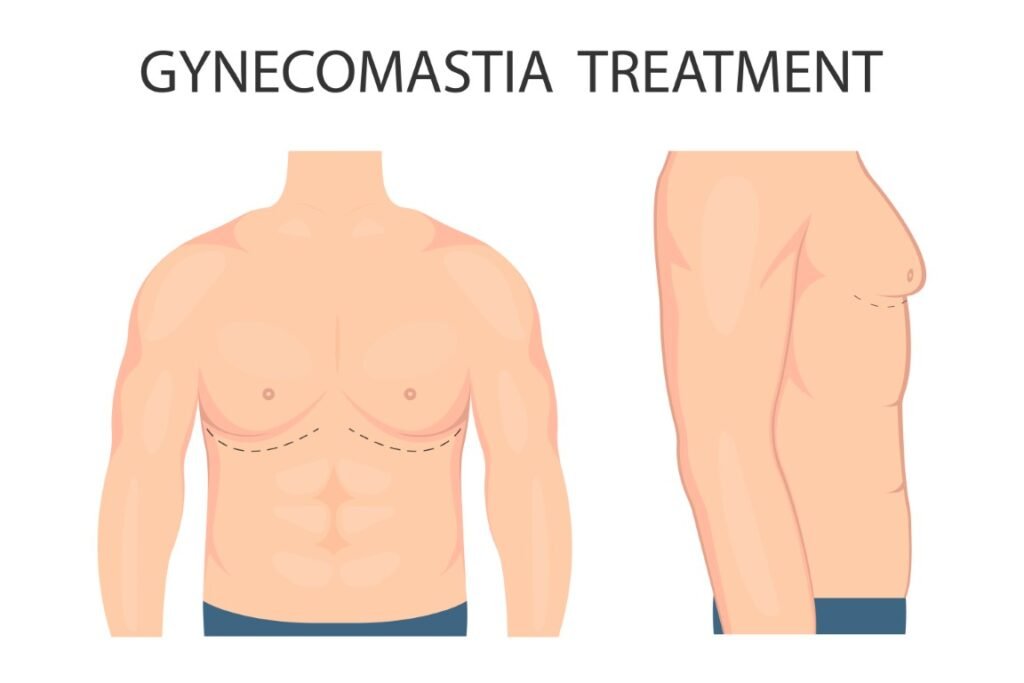
Begin your Asethetic Evolution at APTA Clinic, Mysore because we believe that awareness, early evaluation, and personalised treatment can help them to regain both confidence and comfort. Identifying the underlying cause is key part of the treatment.
Find the best expert care by certified Plastic surgeon Dr. B Akshata Kamath at APTA Clinic Mysore.
What Is Gynaecomastia?
Gynaecomastia is a non-cancerous expansion of glandular breast tissue in men. The primary mechanism behind gynaecomastia is a hormonal imbalance, specifically an increase in oestrogen activity or a decrease in testosterone levels. Since both hormones are present in men, even a slight imbalance can stimulate breast tissue growth. Gynaecomastia may affect one or both breasts, sometimes asymmetrically, and can present as a soft, firm, or rubbery mass beneath the nipple-areolar complex.

Who Can Get Gynecomastia?
Gynaecomastia can occur at different stages of life and has multiple underlying causes.
- Newborns – Many baby boys are born with temporary breast enlargement due to maternal hormones. This usually resolves on its own within a few weeks.
- Teenagers – Hormonal changes during puberty commonly cause gynecomastia. In the majority of cases, the condition subsides naturally within 6 months to 2 years.
- Adult Men – In adults, gynecomastia may be linked to aging, medications, medical conditions, or lifestyle factors
Medications
Several drugs are known to cause or worsen gynaecomastia, including:
- Anti-androgens
- Certain antihypertensive medications
- Proton pump inhibitors
- Antidepressants
- Anabolic steroids
Medical Conditions causing Gynaecomastia
- Hypogonadism
- Liver cirrhosis
- Chronic kidney disease
- Thyroid disorders
- Testicular tumors (rare)
Lifestyle Factors
- Alcohol overuse
- Recreational drugs
- Excessive use of protein or bodybuilding supplements
Signs and Symptoms
The clinical presentation of gynaecomastia can vary in severity. Common symptoms include:
- Visible enlargement of one or both breasts
- Swelling or fullness in the chest area
- Breast tenderness or pain, especially in early stages
- Sensitivity around the nipple
‘’Warning signs such as hard, immobile lumps, nipple discharge, skin dimpling, or ulceration require immediate medical evaluation to rule out male breast cancer, which is rare but possible’’.
Evaluation at APTA
At APTA Clinic, the diagnosis of gynaecomastia is thorough and patient-centered. Accurate diagnosis ensures the most effective and appropriate treatment plan. Find the best expert care by qualified Plastic surgeon Dr. Akshata Kamath at APTA Clinic Mysore.
Clinical Examination– At APTA we perform detailed physical examination that helps us to differentiate the type.
- True gynaecomastia (glandular tissue)
- Pseudogynaecomastia (fat accumulation)
- Other breast pathologies
Medical History– This includes:
- Medication review
- Alcohol and any other substance use
Onset and progression of symptoms
Investigations (if required)
- Blood tests to assess hormone levels
- Liver, kidney, and thyroid function tests
- Ultrasound or mammography in selected cases
Treatment Options at APTA Clinic
Treatment depends on the cause, duration, and severity of gynaecomastia, as well as the patient’s symptoms and concerns. In early and painful stages, hormone-modulating medications may be prescribed in selected patients under strict medical supervision.
How does APTA Manage?
At Apta Clinic, gynaecomastia is managed through careful evaluation to identify the cause. Treatment may include observation, medication changes, or surgery when needed. Surgery at APTA Clinic is performed using advanced techniques to ensure minimal scarring, faster recovery, and natural-looking results which boosts the patient confidence.
Surgical Management
Here are some of the most recent medical procedures and advancements used to manage gynaecomastia, including both surgical and minimally invasive options:
Modern gynaecomastia treatment combines advanced liposuction (ultrasound or laser), radiofrequency tissue sculpting, and minimally invasive hybrid or single-incision techniques to remove fat and glandular tissue effectively.
Procedures focuses on – Natural 3D chest contouring, Minimal scarring, and Improved skin tightening. Enhanced anaesthesia and pain control reduce discomfort and recovery time, enabling faster return to daily activities.
Find the best expert care by certified Plastic surgeon Dr. B Akshata Kamath at APTA Clinic Mysore.
Psychological Impact and Recovery
While gynaecomastia is a physical condition, its psychological impact should not be underestimated. Many patients experience:
- Low self-esteem
- Social withdrawal
- Anxiety or body image concerns
Addressing both physical and emotional well-being is central to care at APTA Clinic. Post-treatment recovery typically involves:
- Short downtime
- Gradual return to daily activities
- Long-lasting improvement in confidence and quality of life
“At Apta Clinic: We Restore Your Confidence, & Redefine Your Chest.”
Takeway Message:
Gynaecomastia is a common and treatable condition that affects men across all age groups. With accurate diagnosis and individualized care, patients can achieve excellent physical and psychological outcomes. At APTA Clinic, we are committed to providing compassionate, evidence-based care tailored to each patient’s needs. If you are concerned about male breast enlargement, early evaluation is the first step toward confidence and clarity.
Here’s a more engaging and reader-friendly “Myths Busted” section for gynaecomastia, designed to catch attention while being informative:
Interesting Myths Busted at ‘Apta Clinic’ About Gynaecomastia
Myth 1
Only overweight men get “man boobs”
Truth
Even fit men can develop gynaecomastia due to hormonal imbalance, not just fat.
Myth 2
It’s always a sign of cancer
Truth
Almost all cases are harmless. Male breast cancer is extremely rare.
Myth 3
Push-ups or gym exercises can fix it
Truth
Exercise tones chest muscles but cannot remove glandular tissue.
Myth 4
It only happens during puberty
Truth
Gynaecomastia can appear in newborns, teenagers, adults, and older men.
Myth 5
Gynaecomastia will go away on its own
Truth
Long-standing gynaecomastia may require medical or surgical treatment
Myth 6
Surgery is dangerous and painful
Truth
Modern surgical techniques are safe, minimally invasive, and highly effective.
Myth 7
It reflects low masculinity
Truth
It’s a medical condition, not a measure of manliness or strength.
Myth 8
Application or usage of oral herbs will cure this condition.
Truth
If breast enlargement is painful, progressive, sudden in adulthood, or causing emotional distress, immediate medical consultation is advised.
Find the best expert care by certified Plastic surgeon Dr. B Akshatha Kamath in Mysore, Coorg and Mandya region.