Body Contouring in Mysore After Weight Loss: Procedures, Suitability and Recovery
- Home
- Blog
- About Us
Losing a significant amount of weight can change how your body looks and feels. However, the skin does not always shrink to match your new body size. You may notice loose folds around your abdomen, upper arms, thighs or other areas, even after reaching a healthier weight.
Body contouring is a group of procedures that can remove selected areas of excess skin and reshape the body’s outline. Depending on the concern, a plastic surgeon may discuss procedures such as a tummy tuck, arm lift, thigh lift or liposuction. The right option depends on whether the main concern is loose skin, excess fat or a combination of both.
If you are considering body contouring in Mysore after major weight loss, an individual assessment can help establish whether surgery is appropriate, which areas may be treated and what recovery could involve.
What Is Body Contouring After Weight Loss?
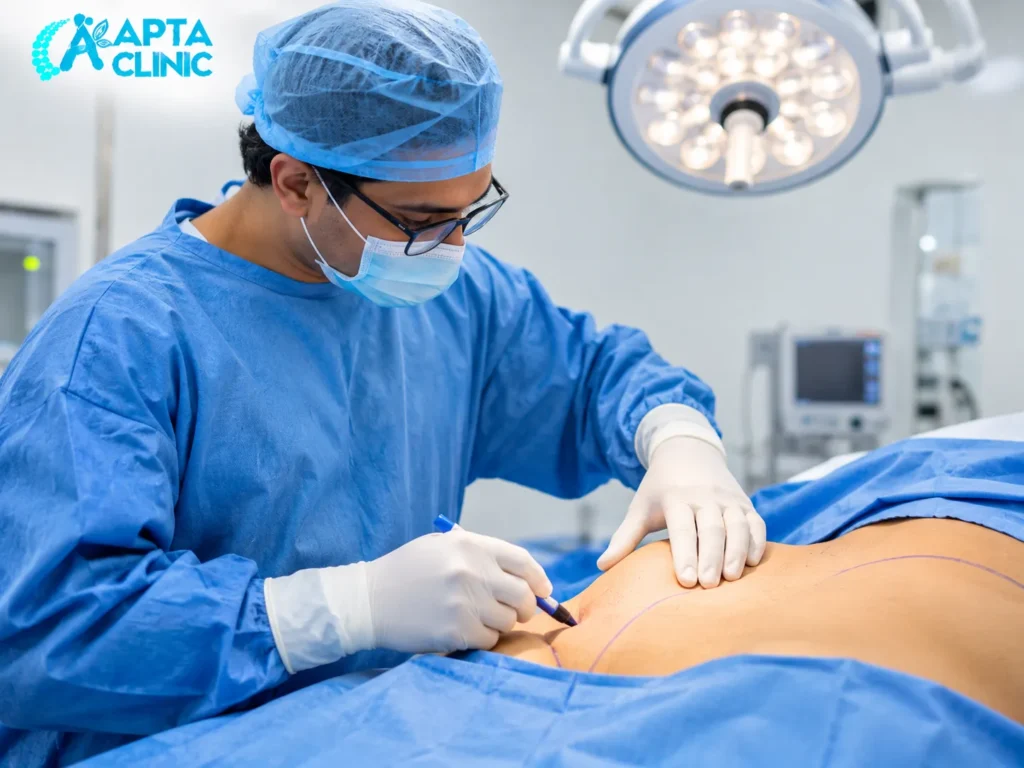
Body contouring refers to surgical procedures that reshape selected areas of the body by removing excess skin and, where appropriate, addressing underlying fat or tissue.
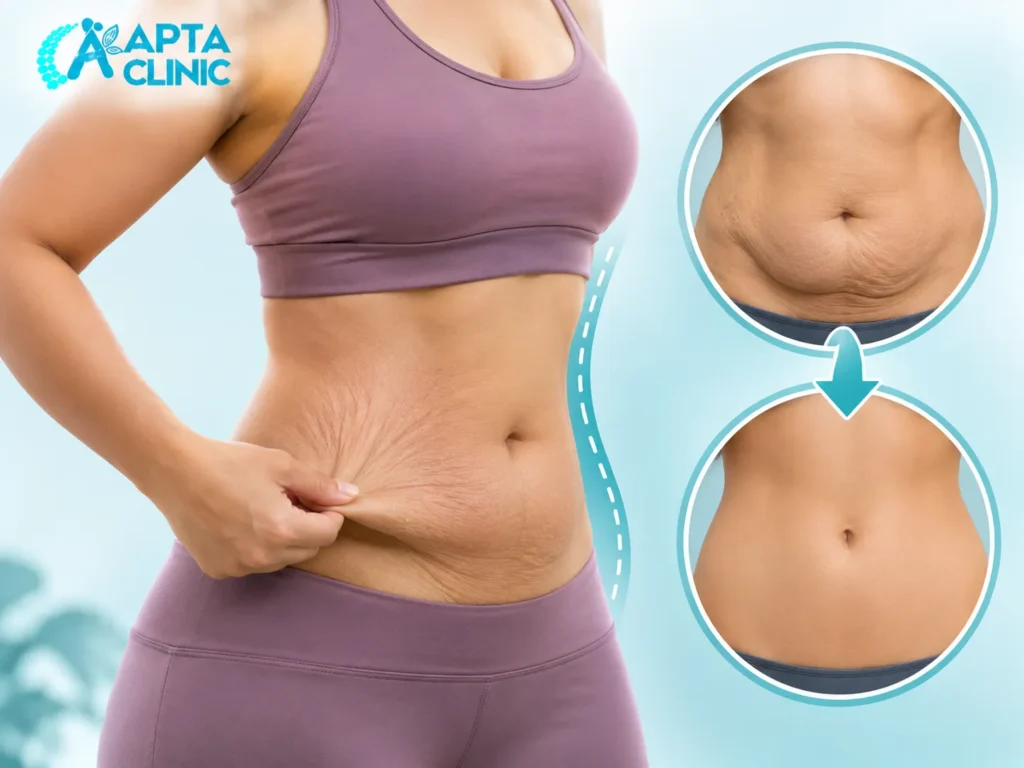
After substantial weight loss, skin that has been stretched for a long time may not return to its earlier shape. This can leave folds around the stomach, arms, thighs, breasts and lower body.
These folds can affect more than appearance. Some people experience rubbing, chafing, difficulty finding comfortable clothing or recurring irritation in areas where skin rests against skin.
Post-weight-loss body contouring is generally considered after a person’s weight has stabilised. It is intended to address excess skin and selected contour concerns, not to produce further weight loss.
The treatment plan depends on the areas involved, skin quality, general health and the person’s expectations.
Why Does Loose Skin Remain After Major Weight Loss?
Skin has a degree of elasticity. It stretches as body size increases and may gradually adapt when weight changes. However, after prolonged stretching or substantial weight loss, it may not contract fully.
Several factors influence how much the skin can retract:
- Amount of weight lost: A larger change in body size can leave more excess skin.
- Duration of previous weight gain: Skin that has remained stretched for a long period may have more difficulty returning to its earlier shape.
- Age: Skin elasticity generally decreases with age.
- Genetics: People differ in how their skin responds to changes in body size.
- Smoking and general health: These can affect skin quality and healing.
- Weight fluctuations: Repeated changes in body weight can affect skin and tissue.
Loose skin may appear around the abdomen, upper arms, thighs, chest, back or buttocks. The extent varies from one person to another.
Exercise can strengthen the muscles beneath the skin and support general fitness. It cannot remove a substantial amount of excess skin. Moisturisers may help with dryness, but they do not remove hanging skin folds.
Which Areas Can Body Contouring Address?
The areas considered for treatment depend on where excess skin or tissue remains after weight loss.
Abdomen
Loose abdominal skin may hang over the lower stomach. Some people also have changes in the abdominal wall or muscle separation. A surgeon can assess whether an abdominal skin-removal procedure may be appropriate.
Upper arms
Excess skin around the upper arms may form folds that remain even after weight has stabilised. An arm lift may be considered when skin laxity is the main concern.
Thighs
Loose skin on the inner or outer thighs can cause friction while walking or exercising. A thigh lift may be discussed for selected patients.
Lower body
After substantial weight loss, excess skin may affect more than one area around the abdomen, hips, buttocks and thighs. A lower body lift may be considered in some cases.
Chest and breast area
Weight changes can affect skin and tissue around the chest and breasts. The appropriate procedure depends on the person’s anatomy and the nature of the concern.
A consultation is needed to determine which areas can be addressed safely and whether more than one operation would be appropriate.
Procedures Used for Post-Weight-Loss Body Contouring
There is no single procedure for every person who has loose skin after weight loss. The surgical approach depends on the location and amount of excess tissue.
- Tummy Tuck (Abdominoplasty)
A tummy tuck removes excess skin from the abdomen. In selected cases, the surgeon may also address changes in the underlying abdominal wall.
It may be considered when loose abdominal skin remains after weight loss and does not improve through lifestyle changes.
A tummy tuck involves incisions and leaves a scar. The location and length of the scar depend on the surgical technique and the amount of skin being removed.
- Liposuction
Liposuction removes localised fat deposits through small incisions. It may be considered when the main concern is excess fat rather than significant loose skin.
Liposuction does not remove large amounts of hanging skin. If skin elasticity is limited, removing fat alone may not produce the contour a patient expects.
A surgeon may discuss liposuction separately or in combination with another procedure, depending on the assessment.
- Arm Lift (Brachioplasty)
An arm lift removes excess skin and tissue from the upper arms. It may be considered when significant skin laxity remains after weight loss.
The procedure involves incisions, and visible scarring is part of the decision. The surgeon will explain where scars are likely to sit and what changes can reasonably be expected.
- Thigh Lift
A thigh lift removes selected areas of excess skin to improve the contour of the thighs. The incision pattern depends on the location and amount of loose skin.
It may be discussed when skin folds cause discomfort or remain a concern after weight stabilisation.
- Lower Body Lift
A lower body lift addresses excess skin across several connected areas, which may include the abdomen, hips, buttocks and thighs.
It is a more extensive operation than treating a single area. The surgeon must assess the patient’s health, skin distribution and recovery needs before recommending it.
These procedures are general surgical options used in post-weight-loss body contouring. Their availability at APTA Clinic should be confirmed directly with the clinic before booking.
Who May Be Suitable for Body Contouring?
Body contouring may be considered by adults who have reached a relatively stable weight and continue to have excess skin or specific contour concerns.
A surgeon will usually consider:
- Whether your weight has stabilised
- Your general health and medical history
- The amount and location of excess skin
- Skin quality and elasticity
- Previous operations
- Smoking or tobacco use
- Medicines and existing health conditions
- Your expectations about scars and results
- Whether you can follow post-operative instructions
People with medical conditions that affect healing may need further evaluation before surgery. Smoking can also increase the risk of wound-healing problems, so it should be discussed honestly during the consultation.
Body contouring is not a replacement for weight management. If you are still losing a substantial amount of weight, it may be better to discuss timing with a plastic surgeon before planning an operation.
When Should You Consider Surgery After Weight Loss?
The timing matters because further weight changes can affect the outcome.
A surgeon will generally want to know whether you have reached a stable weight and maintained it for a sustained period. Some medical guidance recommends waiting until weight has been stable for at least a year after major weight loss, although the appropriate timing can vary with the person’s circumstances.
If you have undergone bariatric surgery, your nutritional status and recovery from that operation may also need to be considered.
Before proceeding, discuss:
- Whether your current weight is suitable for surgery
- Whether further weight loss is planned
- Whether you have nutritional deficiencies or other health concerns
- Whether you are medically fit for the proposed procedure
- Whether you can arrange help during the initial recovery period
There is no universal date at which everyone should undergo body contouring. The decision should be based on an individual medical assessment.
What Happens During a Body Contouring Consultation?
The consultation is where the surgeon evaluates your concerns and discusses possible treatment approaches.
You may be asked about your weight-loss history, current weight, previous surgeries, existing medical conditions, medication use and any problems caused by excess skin.
The physical assessment may include:
- The amount and location of loose skin
- Skin elasticity
- Fat distribution
- Body proportions
- Previous scars
- Abdominal wall changes, where relevant
- General health and suitability for surgery
The surgeon can then explain whether a procedure may be appropriate, what it involves and what limitations to expect.
You should also have time to ask about the incision location, expected scars, anaesthesia, recovery, risks, follow-up care and total cost.
What Is Recovery Like After Body Contouring?
Recovery depends on the procedure, the number of areas treated and your general health. A smaller operation may involve a different recovery period from a more extensive body lift.
After surgery, some patients experience swelling, bruising, tightness, tenderness or temporary changes in skin sensation.
Your surgeon may provide instructions about:
- Wound care and dressing changes
- Medication
- Bathing and personal hygiene
- Compression garments, if required
- Walking and everyday movement
- Lifting and exercise restrictions
- Follow-up appointments
Some procedures may require temporary drainage tubes to manage fluid collection. This depends on the operation and the surgeon’s assessment.
You may need to avoid strenuous activity and heavy lifting for a period. Follow the instructions given by your surgical team rather than using another patient’s recovery timeline as a guide.
Contact your surgical team promptly if you develop fever, increasing redness, worsening pain, unusual wound discharge or sudden swelling. Chest pain, difficulty breathing or symptoms that may indicate a blood clot require urgent medical attention.
Risks and Possible Complications
Body contouring surgery involves incisions and a recovery period. Like other major operations, it carries risks.
Possible complications include:
- Bleeding
- Infection
- Fluid accumulation
- Blood clots
- Poor wound healing
- Changes in skin sensation
- Visible or widened scars
- Uneven contours
- Anaesthesia-related complications
- Need for additional surgery
The risk depends on the operation, the amount of tissue removed, the patient’s health and whether multiple procedures are combined.
A qualified surgeon should explain the risks relevant to your proposed treatment and discuss how complications would be managed. Make sure you understand the expected scars and recovery commitments before consenting to surgery.
Why Is Nutritional Assessment Important Before Body Contouring Surgery?
After significant weight loss, maintaining a healthy weight is only one part of preparing for body contouring surgery. Nutritional status also plays an important role in recovery because insufficient protein, iron, vitamins and other essential nutrients may affect wound healing. People who have undergone bariatric surgery or experienced substantial weight loss may have nutritional deficiencies that are not immediately obvious. Before proceeding, a plastic surgeon may recommend reviewing dietary habits, checking relevant blood tests and correcting identified deficiencies with guidance from a qualified healthcare professional. Preparing the body nutritionally can support healing and help reduce avoidable complications after surgery
Why Might Body Contouring Be Performed in Multiple Stages?
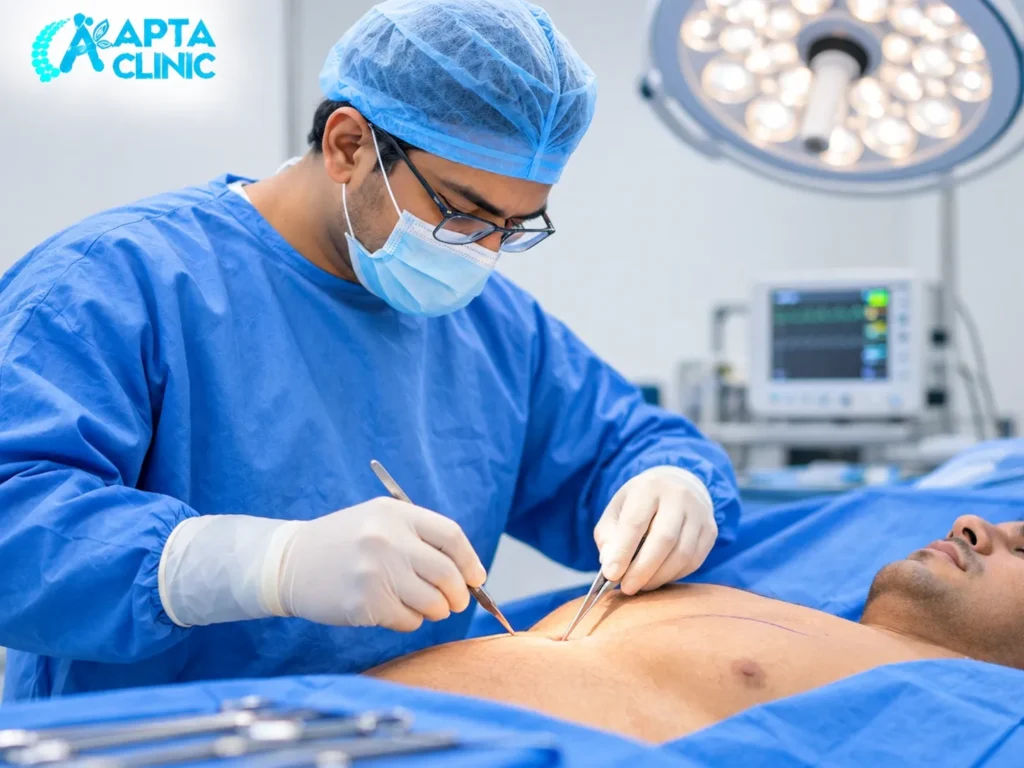
After significant weight loss, excess skin may affect several areas, including the abdomen, thighs, arms, breasts and back. Treating every area during one operation is not always the safest or most practical approach. Depending on the amount of excess tissue, overall health and complexity of surgery, a plastic surgeon may recommend dividing body contouring into separate stages, allowing recovery between procedures. The treatment sequence is planned according to the patient’s priorities, surgical risks and expected recovery. During consultation, discuss the possibility of multiple operations, recovery intervals, permanent scarring and the overall treatment plan before making a decision.
Body Contouring Consultation at APTA Clinic, Mysore
APTA Clinic lists Body Contouring and Liposuction among its plastic surgery services. Its About page identifies Dr. Akshata Kamath as a Plastic & Reconstructive Surgeon.
If you are considering body contouring after weight loss, contact the clinic to confirm the availability of the specific procedure you are interested in and the appropriate specialist for your consultation.
An assessment can help establish whether your concern is mainly excess skin, localised fat or a combination of both. The discussion should also cover your medical history, weight stability, treatment options and expected recovery.
APTA Clinic contact details
- Phone: +91 7411 707 555
- Krishnamurthy Puram: Mysore – 570004
- Vijayanagar: Mysore – 570030
- Published opening hours: Monday to Sunday, 10:30 AM to 7:30 PM
Call before visiting to confirm the consultation schedule, specialist availability and whether the required procedure is currently offered.
Frequently Asked Questions (FAQs)
Body contouring refers to procedures that remove selected areas of excess skin and reshape the body after significant weight loss. Depending on the concern, treatment may involve an abdominal procedure, arm lift, thigh lift or other surgery.
Some mild skin laxity may improve over time, but significant excess skin may remain. Age, genetics, the amount of weight lost and how long the skin was stretched can affect how much it retracts.
Exercise can strengthen underlying muscles and improve fitness. It cannot remove large folds of excess skin. A surgeon can assess whether skin-removal surgery may be appropriate.
Your weight should generally be stable for a sustained period before major body contouring surgery. Some guidance recommends at least a year after significant weight loss, but your surgeon should advise you based on your weight history and health.
A tummy tuck, also called abdominoplasty, may be considered when excess abdominal skin is the main concern. The procedure may also address selected abdominal wall changes.
Liposuction removes fat, not large amounts of excess skin. If skin laxity is significant, a skin-removal procedure may need to be considered instead or alongside liposuction.
Arm lifts and thigh lifts are procedures that may address excess skin in these areas. Suitability depends on the amount and position of loose skin, general health and the person’s expectations.
APTA Clinic lists Body Contouring and Liposuction among its plastic surgery services. Contact the clinic to confirm which specific procedures are currently available, the treating specialist and the consultation process.
Book a Body Contouring Consultation
If excess skin remains after significant weight loss, a plastic surgery assessment can help you understand whether body contouring is suitable.
Contact APTA Clinic on +91 7411 707 555 to ask about consultation availability, the relevant specialist and the procedures currently offered in Mysore.