
Thinning hair in men and women in mysore
- Home
- Blog
- About Us
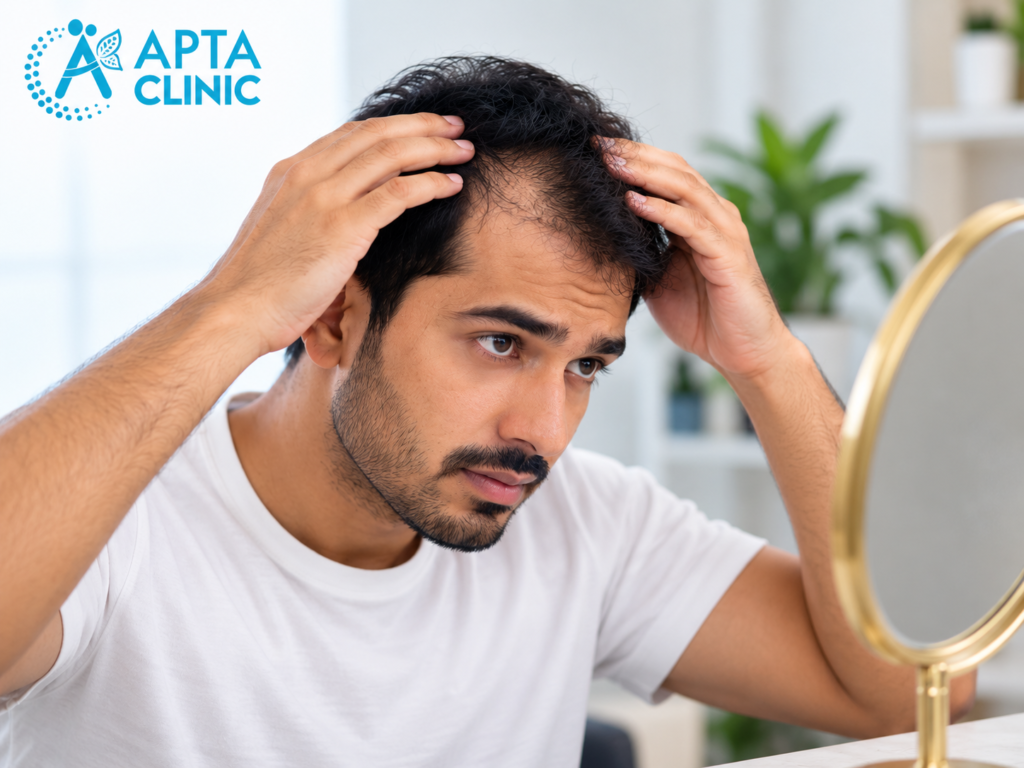
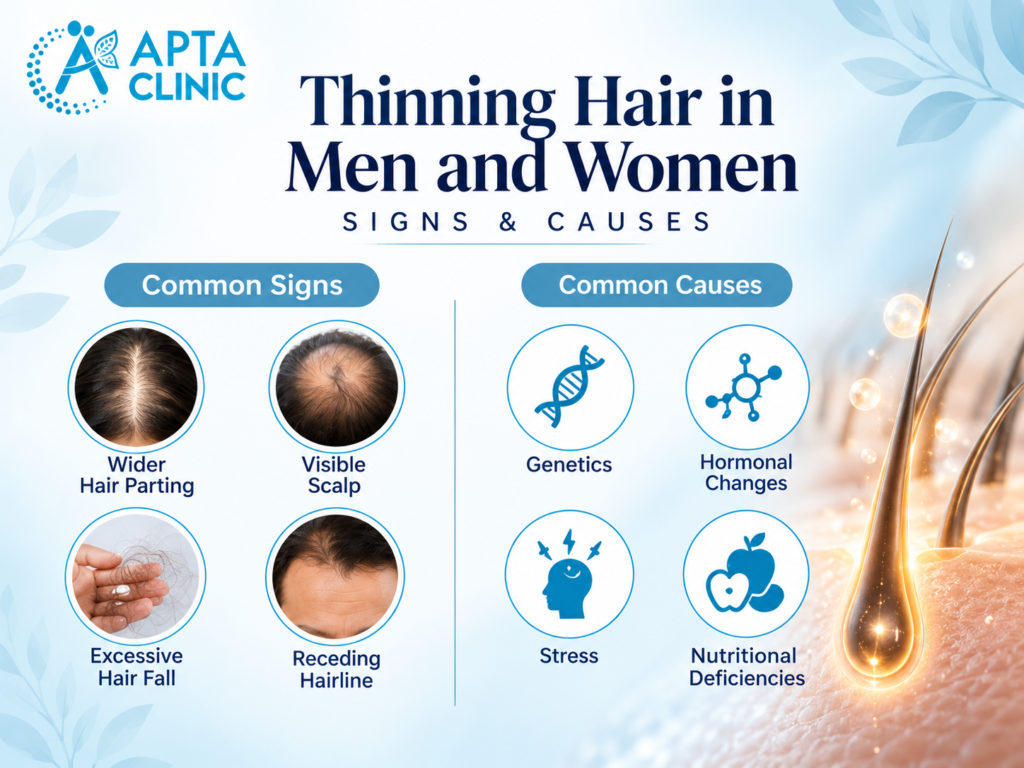
Hair thinning can begin gradually. You might notice that your ponytail feels smaller, your scalp is more visible under bright light or your hair part looks wider than it used to. Men may notice a receding hairline or thinning around the crown. These changes can develop even when you are not seeing large amounts of hair fall every day.
Thinning hair has several possible causes, including genetics, hormonal changes, illness, nutritional deficiencies and certain scalp conditions. The right approach depends on the pattern of thinning, how quickly it developed and your medical history. Recognising the changes early can help you decide when to seek professional advice.
What Does Hair Thinning Look Like?
Hair thinning means a reduction in the apparent density or volume of hair. It may affect the entire scalp or be more noticeable in particular areas.
The change can be subtle at first. Your hair may take less time to dry, feel less full when tied back or appear flatter despite using the same styling routine. You may also notice more scalp showing through in photographs.
These observations do not automatically mean you have a medical hair-loss condition. Hair texture, styling, lighting and natural changes in hair density can affect how full your hair looks. Comparing photographs taken under similar conditions may help you notice whether a change is continuing over time.
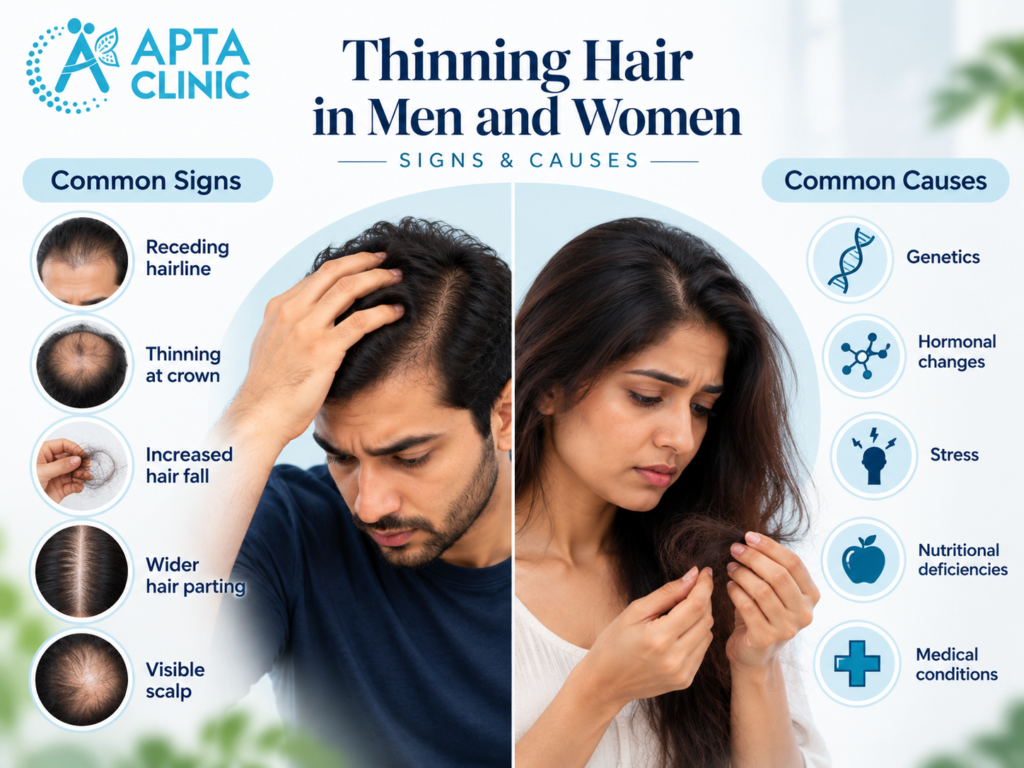
Early Signs of Hair Thinning in Men and Women
A widening hair part
For many women, a widening part or reduced fullness in a ponytail can be an early sign of female pattern hair loss. The change often develops gradually and may be easier to notice in photographs than in a mirror.
A wider part can have other explanations, so it is worth paying attention to whether the change is persistent or becoming more noticeable.
A receding hairline
Men experiencing pattern hair loss may notice the hairline moving backwards, particularly around the temples. Thinning at the crown can also develop, sometimes alongside changes at the front of the scalp.
A naturally high hairline is not necessarily a sign of hair loss. Changes from your usual pattern are more informative than a single observation.
Less volume or a thinner ponytail
If your hair feels less dense when tied back or you need less hair to make a ponytail, you may be noticing a change in hair volume. This can occur with gradual thinning or after a period of increased shedding.
Pay attention to whether the change is continuing and whether it affects specific areas or the whole scalp.
More visible scalp
A scalp that becomes increasingly visible through the hair may indicate reduced density. You might notice this at the crown, along the part or around the temples.
Persistent changes deserve attention, particularly when accompanied by increased shedding, scalp discomfort or patchy hair loss.
What Causes Thinning Hair?
Hair thinning does not have one universal cause. A clinician may need to consider several factors before determining what is contributing to the change.
Genetic pattern hair loss
Genetics is a common factor in male and female pattern hair loss. In men, it often affects the temples, hairline and crown. In women, it commonly causes gradual thinning across the top of the scalp, with a widening part.
These patterns can progress over time. A family history may provide a useful clue, but its absence does not rule out genetic hair loss.
Hormonal changes
Hormonal changes can influence the hair-growth cycle. Some people notice increased shedding after pregnancy, during certain life stages or alongside medical conditions that affect hormone levels.
If thinning occurs with other changes, such as irregular menstrual cycles or symptoms of a thyroid problem, discuss them with a healthcare professional rather than assuming hormones are the cause.
Stress, illness and major life changes
Physical stress, a significant illness, surgery or major weight loss can trigger increased hair shedding in some people. This type of shedding may become noticeable after the event rather than immediately.
Hair growth follows a cycle, so changes in shedding can appear with a delay. Recovery varies according to the cause, and persistent thinning should be assessed rather than automatically attributed to stress.
Nutritional deficiencies
Inadequate intake or absorption of certain nutrients, including iron and protein, may contribute to hair loss. However, taking supplements without knowing whether you have a deficiency is not always helpful.
Excess amounts of some vitamins and minerals can also be harmful and may worsen hair loss. If a deficiency is suspected, a clinician can decide whether testing is appropriate and advise on suitable correction.
Thyroid and other medical conditions
Some medical conditions can affect hair growth or contribute to shedding. Thyroid disorders are one possible factor, while inflammatory or autoimmune conditions can cause particular patterns of hair loss.
The pattern of thinning and other symptoms help guide the assessment. Not everyone with thinning hair needs extensive testing; investigations depend on the individual history and examination.
Hair-care practices and scalp conditions
Frequent chemical processing, excessive heat and hairstyles that pull tightly on the roots can damage hair or contribute to traction-related hair loss. Scalp conditions that cause inflammation may also affect hair growth.
Gentler handling can reduce avoidable breakage. However, hair-care changes alone may not address genetic hair loss or an underlying medical condition.
Hair Thinning vs Hair Shedding: What’s the Difference?
Hair shedding and hair thinning are related, but they are not the same.
Hair shedding means more hairs than usual are coming out. It may occur after illness, major stress, childbirth or other changes that affect the hair-growth cycle.
Hair thinning refers to a reduction in the amount of hair or visible density. It can develop gradually with pattern hair loss or follow a period of increased shedding.
Both can occur together. For example, someone may experience increased shedding and also have an underlying pattern of gradual thinning. The distinction matters because the likely causes and treatment options may differ.
What Can You Do When Your Hair Starts Thinning?
Start by observing the pattern and reviewing recent changes. Note when you first noticed the thinning, whether it is getting worse and whether you have experienced illness, significant weight changes, new medicines or changes in your hair-care routine.
Use a gentle shampoo and conditioner suited to your hair type. Avoid hairstyles that pull tightly on the roots, excessive heat and harsh chemical treatments if your hair is becoming fragile.
Eat a balanced diet that provides adequate energy and protein. Avoid crash diets and be cautious about supplements marketed specifically for hair growth. Supplements are most useful when there is a genuine nutritional need, and excessive intake of certain nutrients can worsen hair loss.
Do not begin prescription hair-loss medicines or combine multiple treatments without appropriate advice. Different conditions require different approaches, and a product that helps one person may not be suitable for another.
When Should You See a Dermatologist?
Consider a dermatology appointment if you notice:
- Gradually widening hair parting or a receding hairline.
- Thinning that continues or becomes more noticeable over time.
- Increased shedding that does not settle.
- A sudden bald patch or uneven areas of hair loss.
- Scalp itching, redness, scaling, pain or sores alongside thinning.
- Hair loss following a new medicine or a significant change in health.
- Thinning that is affecting your confidence or daily life.
Sudden or rapid hair loss, patchy loss or thinning accompanied by scalp inflammation deserves prompt assessment. A painful, swollen scalp with fever or rapidly worsening inflammation may need urgent medical attention.
You do not need to wait until the scalp becomes very visible before seeking advice. Early assessment may help identify a treatable contributing factor and clarify what to expect.
How Is Hair Thinning Assessed?
A dermatologist may ask when the thinning began, whether it is gradual or sudden, and whether it affects particular areas. Your family history, recent illnesses, diet, medicines and hair-care habits may also be relevant.
The clinician will examine the scalp and hair pattern. Depending on the findings, they may assess hair density, check for breakage or inflammation, or recommend blood tests when a nutritional, hormonal or other medical cause is suspected.
Not everyone needs the same investigations. The purpose of the assessment is to understand the likely cause before recommending treatment.
Treatment may involve changes to hair-care practices, correcting a confirmed deficiency, managing a scalp condition or using medical treatment for a particular type of hair loss. Some forms of shedding improve once the trigger resolves, while genetic pattern hair loss may need ongoing management.
1. Why Does Traction Alopecia Often Start Near the Hairline?
The hairline and temples can be particularly vulnerable because hairstyles such as high ponytails, tight buns and pulled-back braids place tension on these areas. Over time, repeated pulling may weaken the hair around the edges of the scalp. If you regularly wear your hair away from your face, pay attention to changes in density around the temples and forehead.
- Is Hair Breakage the Same as Traction Alopecia?
Not exactly. Hair breakage occurs when the hair shaft snaps, leaving shorter strands of different lengths. Traction alopecia involves damage to the hair follicles caused by repeated pulling. The two can occur together, especially when tight styling puts stress on both the hair strands and the follicles. A dermatologist can help distinguish between these problems when the cause is unclear.
- Can Sleeping With Your Hair Tied Up Contribute to Hair Damage?
Sleeping with a tightly secured hairstyle may add unnecessary tension, particularly if your hair is pulled firmly backwards throughout the night. A loose braid or a comfortable, low-tension style may reduce pulling while you sleep. Avoid tying your hair so tightly that you feel discomfort at the roots, and consider changing your routine if you notice tenderness in the morning.
- Do Hair Ties Make a Difference?
Hair ties that grip too tightly, catch strands or repeatedly pull on the same area can contribute to mechanical stress. Choosing a soft, snag-free accessory and securing your ponytail without excessive tension may help reduce damage. Avoid repeatedly wrapping a tie around the same section until it feels restrictive. The goal is to keep your hairstyle secure without creating persistent pulling.
- Can Traction Alopecia Develop Without Scalp Pain?
Yes. Although discomfort, tenderness and irritation can be warning signs, some people develop thinning without noticeable pain. The absence of soreness does not rule out traction-related damage. If you notice gradual thinning around the hairline or temples, review your styling habits and seek professional advice if the change persists.
- How Long Does It Take for Traction Alopecia to Develop?
There is no single timeline. The development of traction alopecia depends on factors such as the amount of tension, how frequently the hairstyle is worn and how long the pulling continues. Some people notice irritation or broken hairs relatively early, while gradual thinning may take longer to become obvious. Rather than waiting for a particular timeframe, reduce repeated tension as soon as you notice discomfort or changes in your hairline.
- Can Chemical Treatments Make Hairstyle-Related Hair Damage Worse?
Chemical treatments such as relaxing or bleaching can weaken the hair shaft, making strands more vulnerable to breakage. When chemically treated hair is also subjected to tight styling, the combined stress may increase the risk of visible damage. Chemical damage and traction alopecia are not the same condition, however. If you notice thinning at the roots as well as fragile strands, a professional assessment can help clarify the cause.
- What Should You Track if You Notice Hairline Thinning?
Pay attention to when the thinning began, which hairstyles you wear most often and whether you experience tenderness, redness or broken hairs. You may also find it useful to take occasional photographs of your hairline under similar lighting conditions. This can help you notice gradual changes without relying entirely on memory. Avoid checking excessively or drawing conclusions from photographs alone; a dermatologist can interpret the pattern alongside your history and examination.
- Can Traction Alopecia Be Mistaken for Other Hair-Loss Conditions?
Yes. Pattern hair loss, alopecia areata and certain inflammatory scalp conditions can also cause thinning or patches of hair loss. The location of the thinning and your hairstyling history provide useful clues, but they are not enough to confirm a diagnosis. If hair loss continues despite avoiding tight hairstyles, or if you develop sudden patches or significant scalp inflammation, arrange a medical assessment rather than assuming traction is the cause.
- Why Is Early Assessment Important?
Early assessment can help identify ongoing tension and determine whether another scalp or hair condition is contributing to the problem. This matters because hair follicles affected by prolonged traction and scarring may not recover fully. A dermatologist can examine the affected areas, review your hair-care routine and advise whether further investigation or treatment is appropriate. Seeking advice early is particularly worthwhile when thinning is progressing or the scalp looks smooth and shiny.
What Is the Difference Between Hair Shedding and Hair Thinning?
Hair shedding and hair thinning are related, but they are not the same. Shedding is the natural process in which older hair strands fall out as part of the hair-growth cycle. Thinning refers to a reduction in overall hair density, which may happen when fewer hairs grow back, individual strands become finer or hair loss continues over time. Some people experience increased shedding first and notice reduced volume later. Paying attention to whether you are losing more hair than usual or noticing gradual changes in density can help during a dermatology assessment.
Hair thinning does not always follow the same pattern in everyone. Men with hereditary pattern hair loss may first notice recession around the temples or thinning at the crown. Women may notice a widening central part, reduced volume over the top of the scalp or a thinner ponytail. These patterns are useful clues, but they do not confirm the cause. Other conditions can produce similar changes, so a proper examination is important before deciding on treatment.
Why Can Hair Thinning Appear Several Months After an Illness or Stressful Event?
Not all hair loss begins immediately after its trigger. Some people develop a temporary form of increased shedding called telogen effluvium after a significant illness, high fever, surgery, childbirth or major physical or emotional stress. The shedding may become noticeable several months after the event, which can make the connection difficult to recognise. Hair density may recover as the trigger settles, although the timeline varies. Persistent or severe shedding should be assessed to check for other contributing factors.
Can Postpartum Changes Affect Hair Thickness?
Many women notice increased hair shedding in the months following childbirth. Pregnancy-related changes in the hair-growth cycle can delay normal shedding, so more strands may fall out after delivery. This can make the hair appear less dense, especially around the temples and front of the scalp. The change is often temporary, but the amount and duration of shedding can vary. Seek medical advice if hair loss is unusually severe, continues for longer than expected or occurs alongside other symptoms.
Some women notice changes in hair density during midlife and after menopause. Age-related changes, hereditary factors and hormonal shifts may contribute to thinning, particularly over the top of the scalp. However, menopause should not automatically be assumed to be the cause. Thyroid conditions, nutritional deficiencies and other health factors can also affect hair growth. A dermatology assessment can help distinguish between these possibilities and identify whether further investigation is appropriate.
an Rapid Weight Loss Affect Hair Growth?
Rapid weight loss and restrictive eating can affect the body’s supply of nutrients needed for normal hair growth. Inadequate protein intake and certain nutritional deficiencies may contribute to increased shedding or reduced hair density. This may happen after crash diets, prolonged food restriction or major changes in eating habits. Avoid taking high-dose supplements without knowing whether a deficiency exists. A healthcare professional can help determine whether dietary changes or appropriate tests are needed.
Some medications may affect the hair-growth cycle and contribute to increased shedding or hair loss. The possibility depends on the medicine, dose, individual response and timing. If you notice hair changes after starting a new medication or changing a dose, discuss them with the prescribing clinician. Do not stop a prescribed medicine on your own. A healthcare professional can review the timing, consider other possible causes and advise whether an alternative or further assessment is appropriate.
Hair and Scalp Consultation at APTA Clinic in Mysore
If you are noticing persistent thinning, a consultation can help you understand which factors may be contributing to the change and whether further assessment is appropriate.
APTA Clinic lists trichology and hair-loss services in Mysuru. Its published hair-loss service information describes an assessment of hair and scalp concerns before treatment options are discussed. The appropriate approach depends on the findings and individual circumstances.
To enquire about a consultation, contact APTA Clinic directly.
APTA Clinic contact details
- Phone: +91 7411 707 555
- Website: https://aptaclinic.com/contact-us/
- Listed locations: Krishnamurthy Puram and Vijayanagar, Mysuru
- Published working hours: Monday to Sunday, 10:30 AM–7:30 PM
Ask the clinic to confirm the appropriate branch, appointment availability and consultation fee before visiting.
Frequently Asked Questions (FAQs)
Early signs can include a widening part, reduced ponytail volume, a receding hairline or increased scalp visibility. The pattern varies from person to person, and these changes alone do not establish a diagnosis.
Hair characteristics can change with age, and genetic pattern hair loss becomes more common over time. However, sudden, patchy or persistent changes should not automatically be attributed to ageing.
Major stress or illness can trigger increased shedding in some people. If the shedding continues, becomes severe or occurs with other symptoms, a medical assessment can help identify possible contributing factors.
Yes. Deficiencies involving nutrients such as iron or inadequate protein intake may contribute to hair loss. Testing may be appropriate in some cases. Avoid taking high-dose supplements without advice because excess amounts of certain nutrients can also worsen hair loss.
No. The outcome depends on the cause. Some forms of shedding are temporary, while genetic pattern hair loss may progress without ongoing management. An assessment can help clarify the likely pattern.
Arrange an assessment if thinning is progressive, sudden, patchy or accompanied by scalp symptoms. You should also seek advice if hair loss follows a significant health change or is causing concern.
Call +91 7411 707 555 or visit https://aptaclinic.com/contact-us/ to enquire about consultation availability, location and fees.