Understanding Acne: Causes, Treatments, and Prevention
- Home
- Blog
- Understanding Acne: Causes, Treatments, and Prevention
Understanding Acne: Causes, Treatments, and Prevention
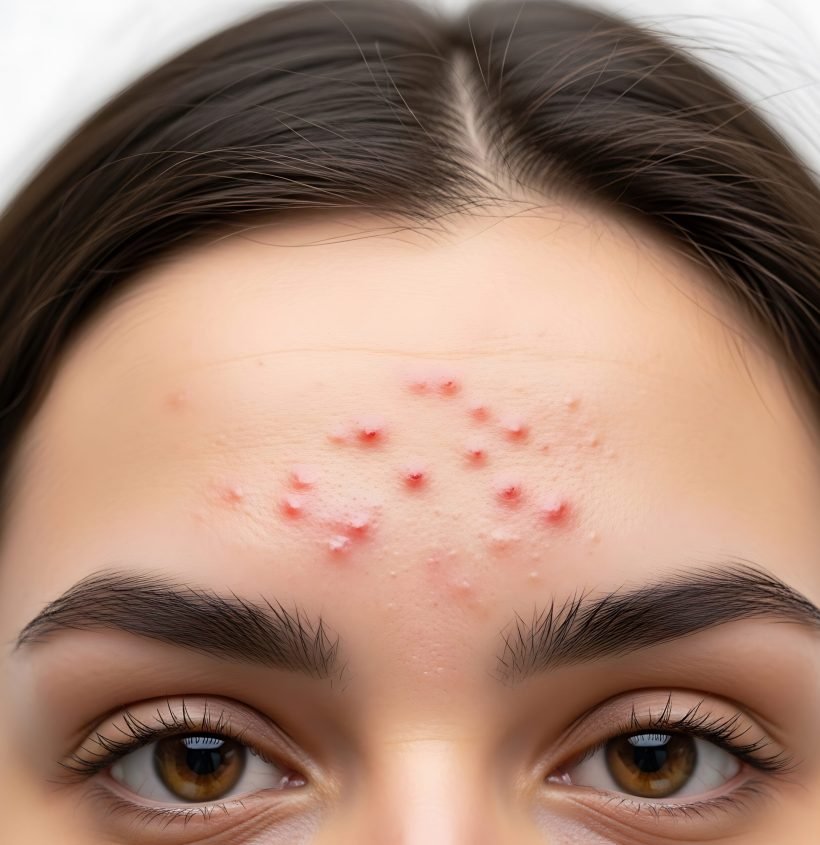
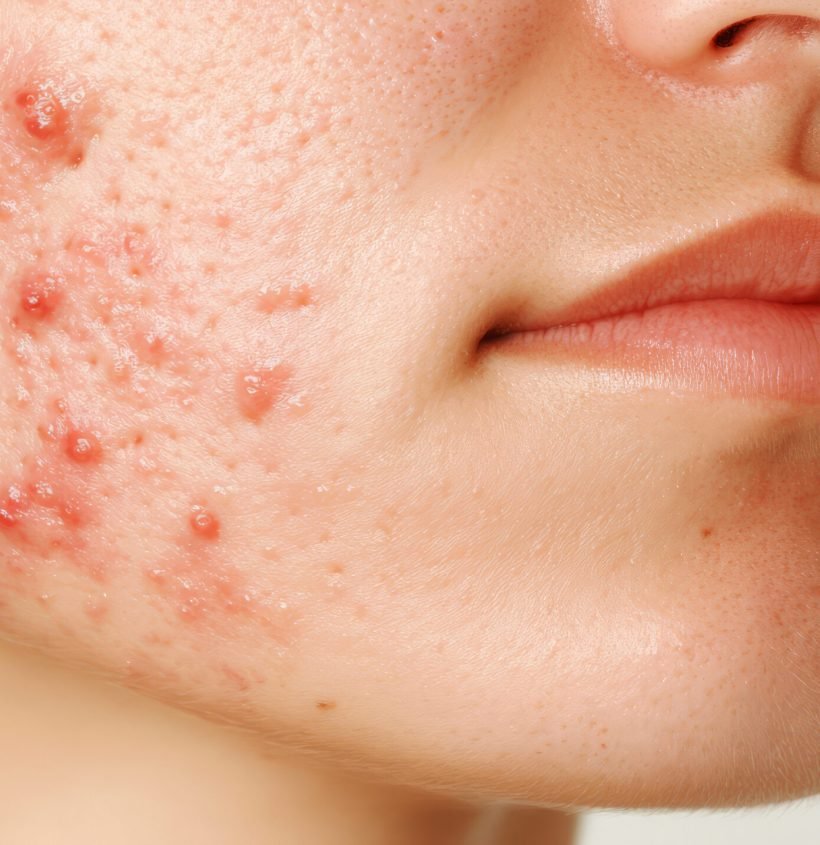
Do you have any idea what acne is all about and what are the causes of acne?
“Acne is a common skin condition in which the pores of your skin become clogged, leading to the formation of blackheads, whiteheads, and other types of pimples — which are pus-filled, sometimes painful bumps on the skin.”
Apta clinic is one of the unique center where Dermatologists, Plastic surgeons & Dieticians work under one roof. “Where expertise meets care treatments by certified plastic surgeon Dr. B Akshata Kamath at APTA Clinic, Mysuru.” Begin your aesthetic evolution today with APTA Clinic.
Causes
- Excess Sebum Production: Excessive sebum production often happens when hormones like androgens increase oil gland activity during puberty.
- Clogged Follicle: Dead skin cells, keratin, and excess sebum build up together and block the opening of a hair follicle, forming a plug.
- Bacteria: Colonisation of C.acnes on the skin causing inflammation.
- Dietary Abnormalities: Consumption of dairy products, foods rich in refined carbohydrates, processed and packaged foods, etc.
Are acne similar in everyone? Well, the answer is NO.
Types Of Acnes
- Cystic Acne: Cystic acne leads to deep-seated, pus-filled pimples and large, painful bumps that often result in scarring.
- Fungal Acne: It develops when an overgrowth of yeast infects the hair follicles, causing itchy, inflamed bumps on the skin.
- Hormonal Acne: This type of acne occurs when hormonal fluctuations trigger excess sebum production that blocks the skin’s pores.
- Blackheads: They are open clogged pores filled with sebum and dead skin cells, which turn dark when exposed to air.
- Whiteheads: They are closed comedones, pores clogged by sebum and dead skin cells.
- Mechanical or Frictional Acne: Caused by tight clothing or frictional agents.
Common Acne Triggering Facts
- Tight clothing, helmets, or frequent rubbing of the face can irritate the skin and trigger acne mechanism.
- Pollution and high humidity can contribute to clogged pores and breakouts.
- Heavy, greasy, or pore-clogging (comedogenic) cosmetics and lotions can contribute to breakouts.
- High stress levels can increase inflammation and oil production, often making breakouts worse.
- Fluctuations in hormones (e.g., during puberty, menstrual cycles, pregnancy, or certain conditions) can increase oil production and lead to breakouts.
- Foods high in refined sugars or with a high glycemic index (like sweets, white bread) and dairy may worsen acne in some people.
- Touching or picking at spots can hurt your skin and make the acne stay longer or scar.
- Infrequent changing of pillow covers which are oil ridden.
Common Foods Triggering Acne
- Sugary foods and drinks (Sweets, Desserts) – can raise blood sugar and increase oil production in the skin.
- Dairy products - may affect hormones and oil levels in the skin for some people.
- Refined carbohydrates (white bread, pasta, white rice) these break down quickly and can trigger processes that promote acne.
- Fast food and fried snacks - high in unhealthy fats that can cause inflammation and oily skin.
- Highly processed foods (packaged snacks, sugary cereals) - often contain sugar and additives that may worsen breakouts.
Who Treats Acne?
A board-certified dermatologist can only treat the acne, for those people who have stubborn and painful acne that doesn’t improve with home remedies, only a dermatologist can help.
Treatments For Acne
At APTA, we have customized treatment plans for different types of Acne.
- For Open and closed comedones, we have Comedone Extraction.
- For Grade 1 Acne, we have Chemical Peels and various topical treatments.
- For Grade 2 and Grade 3, often managed through combination therapy, utilizing systemic agents like oral antibiotics and oral retinoids along with topical treatments and procedural interventions such as chemical peels.
- For grade 4, Nodulocystic Acne, Oral Retinoids, Oral Antibiotic and Intralesional Therapy are suggested treatments.
Conclusion
Every journey to clearer skin at APTA begins with a thorough, one-on-one consultation with our skincare specialists. We don’t just look at your spots; we examine your overall skin health, discuss your history, and identify the root cause. This crucial step ensures we are treating the right problem with the right tools.