
Why Do I Keep Getting Pimples Even After Washing My Face problem in Mysore
- Home
- Blog
- About Us
If you wash your face every day but still get pimples, it does not necessarily mean your skin is dirty. Acne develops when hair follicles become clogged with oil and dead skin cells. Hormonal changes, irritating skincare products and other factors can contribute to breakouts. Washing more often or scrubbing harder may irritate your skin and make acne worse.
The first step is to understand what might be contributing to your breakouts and whether your current skincare routine is helping. If pimples keep returning, become painful or leave scars, a dermatologist can assess your skin and discuss suitable treatment options.
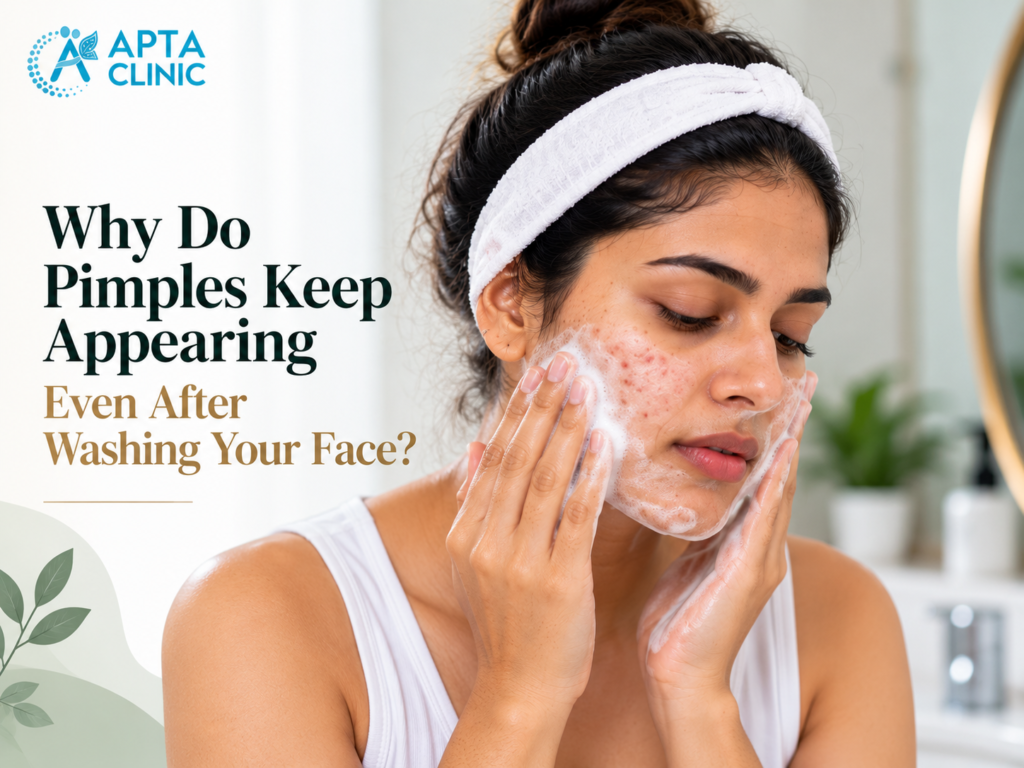
Why Do Pimples Keep Appearing Even After Washing Your Face?
Washing removes sweat, excess oil, dirt and some product residue from the skin’s surface. However, acne develops within hair follicles, so cleansing alone may not be enough to control it.
Several factors can contribute to recurring pimples:
- Hormonal changes
Hormonal changes can increase oil production and contribute to clogged pores. Acne is common during puberty, but adults can experience it too.
Some people notice recurring breakouts around their menstrual cycle. Persistent acne accompanied by irregular periods or other hormonal symptoms may warrant a medical assessment.
- Excess oil and clogged pores
Your skin naturally produces sebum, an oily substance that helps protect it. When sebum combines with dead skin cells inside a hair follicle, the pore can become blocked.
This may lead to blackheads, whiteheads or inflamed pimples. Cleansing can help remove surface oil, but it does not prevent every pore from becoming clogged.
- Washing too often or scrubbing hard
It may seem logical to wash your face repeatedly when pimples appear. However, frequent washing, rough scrubbing and harsh cleansers can irritate the skin.
Irritation may make existing acne look worse and leave your skin dry or uncomfortable. A gentle routine is usually a better starting point than trying to make your skin feel completely oil-free.
- Skincare products that clog pores or irritate your skin
Some moisturisers, makeup, sunscreens and hair-care products may contribute to breakouts in acne-prone skin.
Look for products labelled non-comedogenic or won’t clog pores. These labels can help guide your choice, although no product label guarantees that it will suit every person.
If breakouts began after you introduced a new product, consider whether it could be contributing. Change products thoughtfully rather than replacing your entire routine at once.
- Sweat, friction and everyday habits
Sweat does not automatically cause acne, but sweat combined with friction, tight equipment or occlusive products can aggravate some people’s skin.
After heavy sweating, gently cleanse your face when practical. Avoid rubbing it roughly with a towel, and clean items that regularly touch your face, such as phone screens or sports equipment.
- Trying too many acne products
Switching between multiple cleansers, exfoliants and spot treatments can irritate your skin. Some acne treatments also need several weeks of consistent use before improvement becomes noticeable.
Follow product directions and avoid adding several strong active ingredients at the same time without professional advice. If a product causes significant burning, swelling or a worsening reaction, stop using it and seek appropriate guidance.
Is Your Face-Washing Routine Making Acne Worse?
A simple routine can help you avoid unnecessary irritation.
In the morning
- Wash with a gentle, non-abrasive cleanser.
- Apply a moisturiser suited to acne-prone skin if needed.
- Use a broad-spectrum sunscreen labelled non-comedogenic when possible.
At night
- Gently cleanse your face to remove sweat, makeup and daily residue.
- Use any acne treatment according to its instructions.
- Apply moisturiser if your skin feels dry.
Use lukewarm water and your fingertips rather than abrasive tools. For most people with acne-prone skin, washing twice a day and after heavy sweating is a reasonable starting point.
Avoid squeezing pimples. Picking at them can worsen inflammation and increase the risk of scarring or dark marks.
What Type of Pimples Are You Getting?
The appearance of your breakouts may help a clinician understand what is happening, although appearance alone cannot confirm a diagnosis.
- Whiteheads: Small, flesh-coloured or white bumps that form when pores become clogged.
- Blackheads: Darkened clogged pores. Their colour does not mean that dirt is trapped in the skin.
- Red pimples: Inflamed bumps that may feel tender.
- Pus-filled pimples: Inflamed bumps with a visible white or yellow centre.
- Deep, painful lumps: These may indicate more severe acne and can carry a greater risk of scarring.
Not every facial bump is acne. Conditions such as folliculitis or rosacea can sometimes look similar, so persistent or unusual breakouts should be assessed rather than treated based on appearance alone.
When Should You See a Dermatologist for Pimples?
Consider a dermatology appointment if:
- Pimples continue to appear despite a consistent, gentle skincare routine.
- You have deep, painful or widespread breakouts.
- Acne is leaving scars or persistent dark marks.
- Your skin is becoming irritated by products you have tried.
- Breakouts are affecting your confidence or daily life.
- You are unsure whether the bumps are acne or another skin condition.
Seek prompt medical advice if a breakout is accompanied by severe pain, rapidly spreading redness, significant swelling or fever. These symptoms may indicate a problem other than routine acne.
There is no need to wait until acne becomes severe before asking for help. Early assessment can help you understand the type of acne you have and discuss suitable options.
What Can a Dermatologist Do for Recurring Acne?
A dermatologist may ask when the breakouts started, which areas are affected, what products you use and whether you have noticed any triggers. They may examine your skin and ask about medicines, previous treatments and relevant health history.
Treatment depends on the type and severity of acne. Options may include topical products, prescription medicines or other treatments when clinically appropriate. Not everyone needs prescription medication or an in-clinic procedure.
If you have already tried acne products, bring a list of them or their packaging to your appointment. Mention how long you used each product and whether it caused irritation.
Avoid using prescription creams, oral antibiotics or other medicines without appropriate medical advice. A treatment that helps one person may not be suitable for another.
Can Your Diet Contribute to Recurring Pimples?
Diet may play a role in acne for some people, but there is no single food that causes pimples in everyone. Some research suggests that high-glycaemic foods, which can raise blood sugar quickly, may be associated with acne in certain individuals. Studies have also explored a possible link between acne and some dairy products, although the evidence is not conclusive for everyone. Rather than eliminating entire food groups unnecessarily, pay attention to patterns you notice and aim for a balanced diet. If you suspect a dietary trigger, a healthcare professional can help you consider it in the context of your overall health.
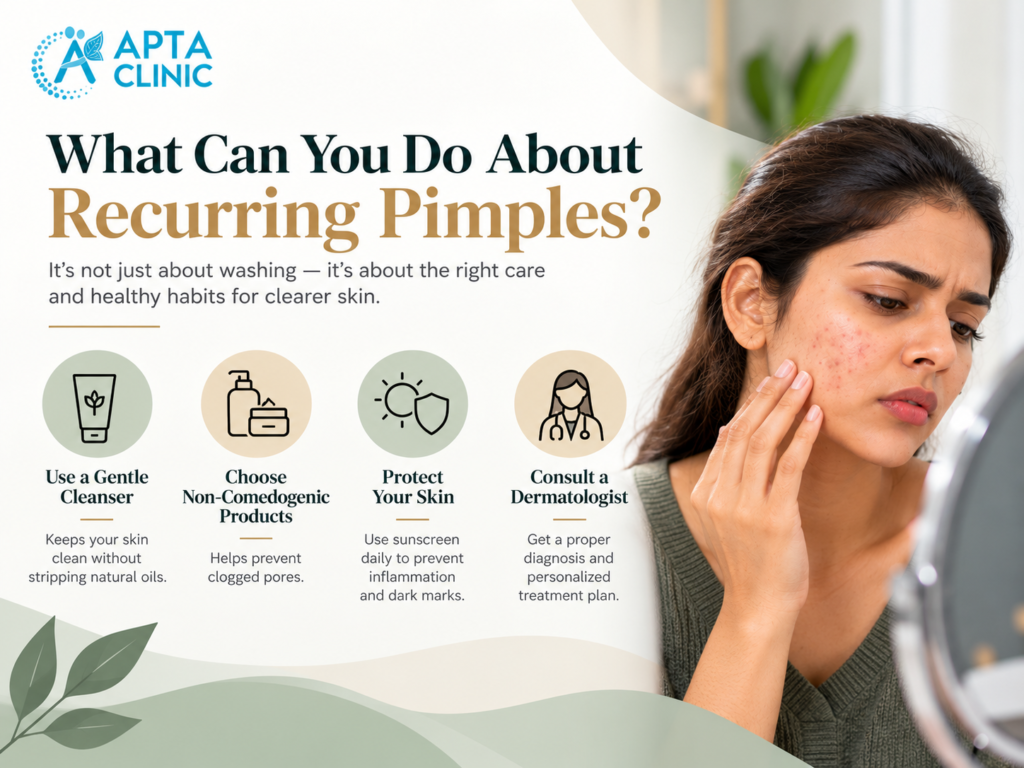
Can Stress Make Your Acne Worse?
Stress does not directly explain every breakout, but it may aggravate acne in some people. During stressful periods, sleep routines, eating habits and skincare consistency can also change. If you notice more pimples during exams, demanding work periods or other stressful situations, consider whether these changes coincide with your breakouts. Regular sleep, physical activity and practical stress-management habits can support general wellbeing, although they are not substitutes for appropriate acne treatment.
Does Changing Your Pillowcase Help Prevent Pimples?
Pillowcases can collect sweat, oil, skincare residue and hair products over time. Keeping bedding clean is a sensible hygiene habit, particularly if you sweat at night or use hair products that come into contact with your face. However, dirty pillowcases are not considered the sole cause of acne, and changing them more frequently will not necessarily clear persistent breakouts. Focus on a consistent skincare routine, avoid products that irritate or clog your pores, and wash pillowcases regularly as part of your usual laundry routine.
Why Do Pimples Keep Coming Back in the Same Area?
Recurring breakouts in the same area may be related to ongoing pore blockage, friction, hair products or other local triggers. For example, acne-prone skin may be irritated by tight straps, repeated contact or products used around the hairline. However, bumps that repeatedly appear in one spot are not always acne. If the area becomes painful, develops a persistent lump or does not heal properly, arrange a medical assessment instead of repeatedly applying spot treatments. Identifying the underlying cause can help guide more appropriate care.
Can Hair Products Cause Pimples Around Your Forehead and Hairline?
Your skincare routine may not be the only factor contributing to recurring breakouts. Hair oils, conditioners, styling creams, serums and certain leave-in products can come into contact with the skin around your forehead, temples and hairline. Some formulations may contribute to clogged pores in people who are acne-prone. If you frequently notice small bumps around these areas, review the products you apply to your hair and check whether they regularly touch your face. Choose products labelled non-comedogenic where possible, keep hair away from breakout-prone areas and rinse away product residue after washing your hair. These changes may help, although persistent acne around the hairline can have other causes that need assessment.
Can Helmets, Masks and Tight Clothing Contribute to Breakouts?
Repeated friction, pressure, heat and trapped sweat can aggravate acne in certain areas of the body. This type of breakout is sometimes called acne mechanica. Helmet straps, sports headbands, face masks, tight collars and other equipment that repeatedly rub against the skin may contribute to bumps or irritation. Sweat itself does not automatically cause acne, but friction and prolonged occlusion can make existing breakouts worse. Clean reusable equipment regularly, change out of sweaty clothing when practical and choose comfortable materials that minimise rubbing. Avoid scrubbing the affected area after exercise, as excessive friction may further irritate the skin.
Why Does Acne Treatment Need More Time Than You Expect?
One common reason people struggle with recurring pimples is expecting skincare treatments to work immediately. Acne develops through several interacting processes, including excess oil production, clogged hair follicles and inflammation. Even when you follow a suitable routine, existing pimples may take time to settle and new breakouts may continue to appear during the early stages of treatment. Frequently switching products, combining too many active ingredients or applying treatments more often than directed can irritate the skin and make the routine difficult to maintain. Give an appropriate treatment plan time to work, follow the recommended instructions and review your progress with a dermatologist. Persistent, painful or scarring acne may need prescription treatment rather than cleansing products alone.
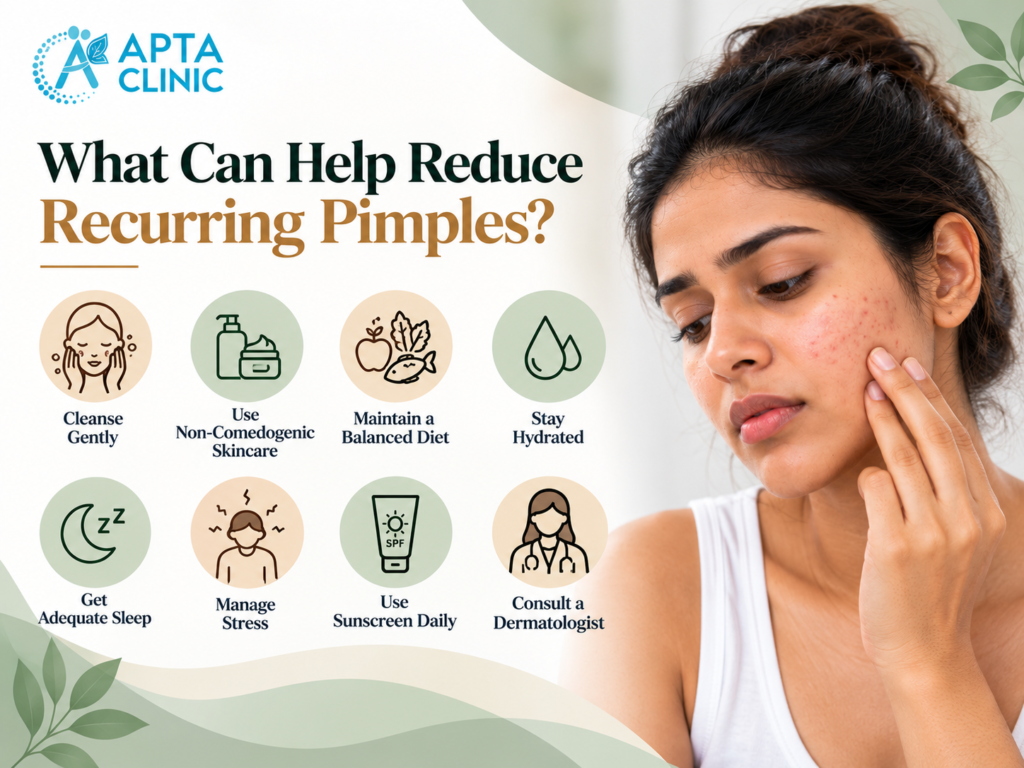
Can Picking or Popping Pimples Lead to More Skin Problems?
When a Why Do I Keep Getting Pimples Even After Washing My Face treatment in Mysore appears, it can be tempting to squeeze or pick at it, especially when it looks swollen or has a visible whitehead. However, applying pressure can irritate the surrounding skin and increase inflammation. Picking may also push material deeper into the affected area, potentially making the spot more painful and increasing the risk of post-acne marks or scarring. Touching active breakouts with unwashed hands can introduce additional bacteria and irritants. Instead, avoid squeezing pimples and follow a gentle skincare routine suited to your skin. If deep, painful breakouts keep returning or begin leaving permanent marks, consult a dermatologist about appropriate acne treatment.
Looking for a Dermatology Clinic in Mysore?
If recurring pimples are difficult to manage, a dermatologist can help assess the cause and discuss a suitable care plan.
APTA Clinic lists dermatology among its services in Mysuru. Its website identifies Dr. Swathi Anand as a Dermatologist & Aesthetician. You can contact the clinic to enquire about a consultation for acne or recurring breakouts.
Contact APTA Clinic
- Phone: +91 7411 707 555
- Website: https://aptaclinic.com/
- Listed locations: Krishnamurthy Puram and Vijayanagar, Mysuru
- Published working hours: Monday to Sunday, 10:30 AM–7:30 PM
Confirm the appropriate branch, current appointment availability and consultation fee directly with the clinic before visiting.
Frequently Asked Questions (FAQs)
Acne is not simply caused by dirty skin. Oil, dead skin cells, hormonal changes and other factors can clog hair follicles. Washing gently helps keep the skin clean, but it may not control acne on its own.
Usually, no. Washing too frequently or scrubbing can irritate your skin. A gentle cleanse twice a day and after heavy sweating is a reasonable starting point for many people.
A cleanser may help remove surface oil and residue, but some people need additional acne treatment. The appropriate option depends on the type and severity of the breakouts.
Improvement often takes several weeks, and some treatments need longer. Follow the product or clinician’s instructions consistently. If acne is worsening, causing scars or not improving, seek medical advice rather than repeatedly switching products.
Excess oil can contribute to clogged pores, but oily skin is not the only cause of acne. Hormonal changes, products and other factors may also play a role.
It is best to avoid squeezing or picking them. Doing so can increase inflammation and the risk of scarring or dark marks.
Call +91 7411 707 555 or visit the APTA Clinic website to ask about consultation availability, location and fees.