
How often should you visit a dentist in Mysore
- Home
- Blog
- About Us
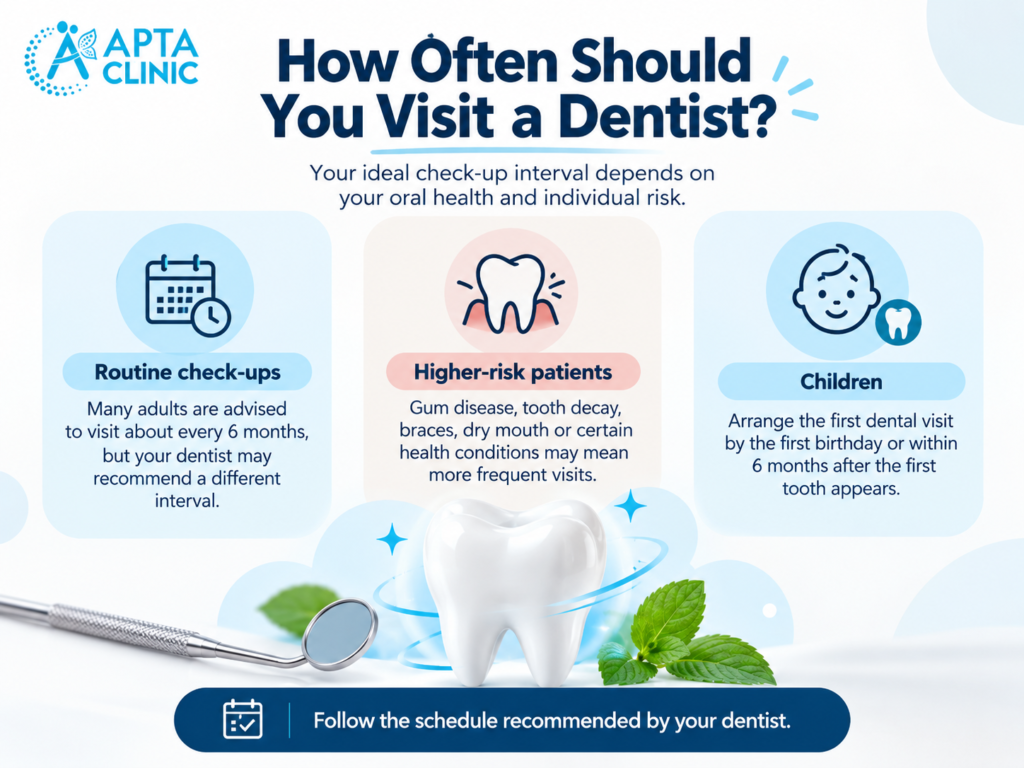
There is no single schedule that suits everyone. Your ideal check-up interval depends on the condition of your teeth and gums, your dental history, and your risk of developing future problems. While six-monthly visits are a familiar recommendation, your dentist may advise a different interval based on your individual needs.
Routine dental check-ups give your dentist an opportunity to examine your mouth, discuss changes in your oral health, and identify concerns that may not be causing noticeable symptoms yet.
If you have tooth pain, swollen gums, bleeding, or another new concern, do not wait for your next routine appointment. Arrange a dental assessment instead. How often should you visit a dentist in Mysore page helps u to know what problem you are facing.
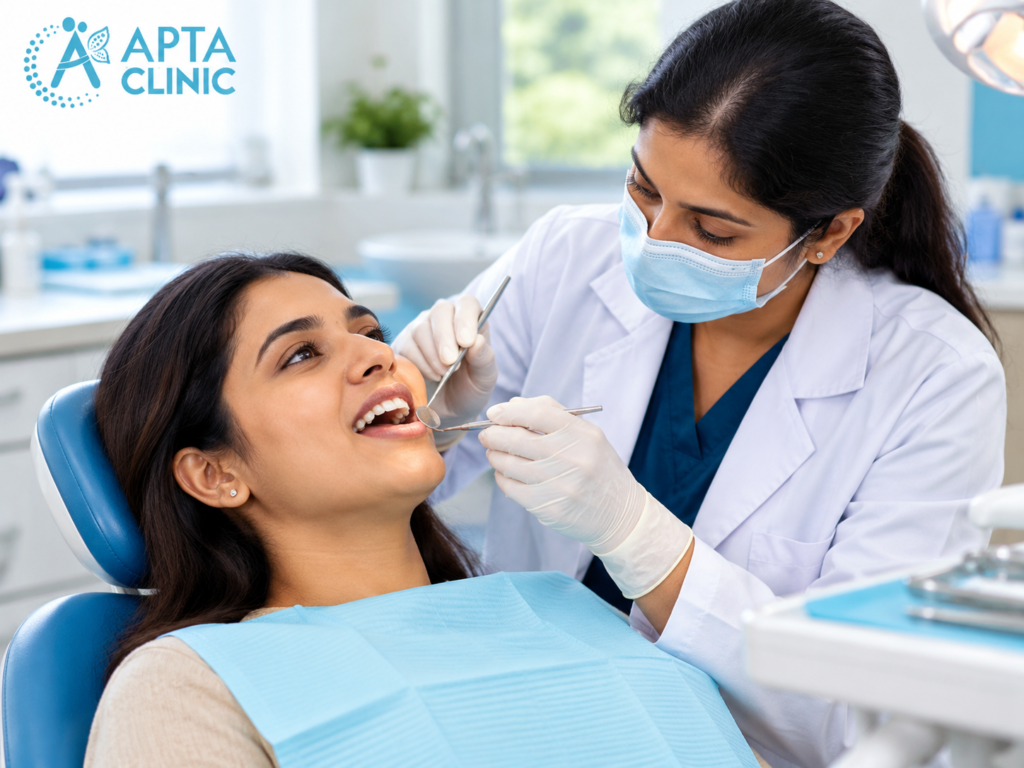
How Often Should You Get a Dental Check-Up?
Your dentist should recommend when you return after assessing your oral health. Some people benefit from more frequent check-ups, while those with stable oral health and a lower risk of dental problems may be able to leave longer between visits.
The right interval is based on your circumstances rather than a fixed rule for everyone.
Adults with healthy teeth and gums
If your teeth and gums are healthy and you have no ongoing dental concerns, your dentist may recommend a routine examination at a longer interval. Other adults may benefit from visits every six months or more frequently.
Do not assume that you need an appointment only when something hurts. Some dental problems develop without obvious early symptoms.
People with existing dental concerns
Your dentist may recommend more frequent reviews if you have ongoing gum problems, a history of repeated cavities, previous dental treatment that needs monitoring, or other concerns that increase your risk of future problems.
The interval may also change as your oral health changes. Follow the schedule your dentist recommends and ask why a particular interval is suitable for you.
Children and teenagers
Children need dental check-ups too, even when their teeth appear healthy. Their dentist can monitor the development of their teeth, look for early signs of decay, and provide age-appropriate advice on brushing and oral hygiene.
A child’s appointment schedule should be based on their age, dental development, and individual needs. Parents should ask the dentist when the next visit is due rather than automatically applying an adult schedule.
Why Routine Dental Check-Ups Matter
A dental check-up is not only about treating a toothache. It gives your dentist a chance to assess your teeth, gums, and other areas of your mouth and discuss any changes since your previous visit.
Routine examinations can help identify concerns such as:
- Tooth decay: Early decay may not cause noticeable pain.
- Gum problems: Redness, swelling, bleeding, or tenderness may need assessment.
- Changes to existing dental work: Fillings, crowns, or other restorations may need to be checked if you develop symptoms or concerns.
- Oral hygiene difficulties: Your dentist can discuss brushing and cleaning between teeth.
- New symptoms: Sensitivity, discomfort, or changes inside the mouth may require further evaluation.
Finding a problem during a check-up does not automatically mean you need treatment. Your dentist will explain the findings and discuss whether monitoring, preventive advice, or treatment is appropriate.
Who May Need More Frequent Dental Visits?
Your dentist may suggest shorter intervals between appointments depending on your oral health and circumstances.
Factors worth discussing include:
- A history of frequent cavities or gum disease.
- Bleeding, swollen, or tender gums.
- Tooth sensitivity or recurring discomfort.
- Previous dental treatment that requires review.
- Difficulty keeping teeth and gums clean.
- Tobacco use.
- Medical conditions or medicines that may affect oral health, including persistent dry mouth.
- Changes in your dental health since your last appointment.
These factors do not all mean that every person needs the same schedule. Your dentist can assess which concerns are relevant and recommend a suitable follow-up interval.
What Happens During a Routine Dental Check-Up?
A routine appointment usually begins with a discussion about your oral health and any changes you have noticed. Tell your dentist about pain, sensitivity, bleeding, bad breath, jaw discomfort, or problems when chewing, even if they seem minor.
Your dentist may then examine:
Your teeth
The examination may look for signs of tooth decay, damage, wear, and problems affecting existing restorations.
Your gums
Your dentist may check for redness, swelling, bleeding, tenderness, or other signs of gum problems.
Your mouth and oral hygiene
The dentist may assess the tissues inside your mouth and ask about your brushing routine, cleaning between your teeth, diet, tobacco use, and relevant medical history.
Whether further assessment is needed
Dental X-rays are not automatically required at every check-up. Your dentist may recommend them when appropriate to investigate a concern or assess areas that cannot be evaluated adequately through a visual examination alone.
After the examination, the dentist can explain any findings, discuss suitable next steps, and recommend when you should return.
Is a Dental Check-Up the Same as Teeth Cleaning?
No. A dental check-up and professional teeth cleaning are related, but they serve different purposes.
A dental check-up involves examining your teeth, gums, and mouth to assess your oral health and identify concerns that may need attention.
Professional teeth cleaning focuses on removing deposits such as plaque and hardened tartar that cannot be removed adequately through routine brushing alone. Whether cleaning is appropriate, and how often you need it, depends on your individual needs.
Your dentist can explain whether you need an examination, professional cleaning, further tests, treatment, or a combination of these.
Signs You Should Not Wait for Your Next Check-Up
Routine appointments are intended for preventive care. If a new problem develops between visits, you may need an earlier assessment.
Contact a dentist if you notice:
- Toothache or pain when biting.
- Persistent sensitivity to hot, cold, or sweet foods.
- Gums that bleed repeatedly or remain swollen.
- A chipped, cracked, or damaged tooth.
- A loose or damaged filling or crown.
- A persistent sore or unusual change inside your mouth.
- Difficulty chewing or ongoing discomfort in your jaw.
Seek urgent dental assessment for severe or worsening pain, facial or gum swelling, fever with dental symptoms, or suspected dental infection.
If swelling affects your breathing or swallowing, or spreads significantly towards your eye or neck, seek emergency medical care immediately.
Do not wait for a routine check-up to address symptoms that are getting worse.
How to Prepare for Your Dental Appointment
You do not need to do anything complicated before a routine dental check-up. A few simple steps can help you make better use of the appointment.
- Brush your teeth and clean between them as you normally would.
- Make a note of any pain, sensitivity, bleeding, or other changes.
- Tell the dentist about relevant medical conditions and medicines you take.
- Mention any previous dental treatment or concerns about a filling, crown, or other restoration.
- Prepare questions about your oral hygiene routine, treatment options, and next check-up date.
If you are nervous about dental appointments, tell the clinic when arranging your visit and discuss your concerns with the dental team.
Before leaving, make sure you understand any recommendations and when you should return.

What Does a Dentist Check During a Routine Dental Visit?
A routine dental check-up involves more than looking for cavities. The dentist examines your teeth for signs of decay, cracks, damaged fillings and other changes. Your gums may also be assessed for swelling, bleeding or signs of gum disease. Depending on your symptoms and dental history, the examination may include your bite, jaw movement and the soft tissues inside your mouth. This gives the dentist a broader picture of your oral health and helps identify concerns that may not yet be causing discomfort.
No. A dental check-up is an examination used to assess the condition of your teeth, gums and mouth. Professional cleaning focuses on removing plaque and hardened deposits that regular brushing may not remove completely. Some patients may need both during a visit, while others may require a separate appointment depending on their oral health. Your dentist can recommend whether professional cleaning is appropriate and how frequently it should be performed.
Routine Dental Check-Ups at APTA Clinic in Mysore
Missing dental appointments does not automatically mean you will develop a dental problem, but going without an examination for long periods can make it easier for certain conditions to remain unnoticed. Early cavities, gum inflammation and problems with existing dental restorations may not always produce obvious symptoms. When these concerns are identified later, they may require more extensive assessment or treatment. Regular reviews help your dentist monitor changes and discuss preventive steps before problems become more complicated.
outine appointments are meant for preventive assessment, not for delaying attention to new symptoms. Arrange a dental assessment if you develop persistent toothache, pain while chewing, sensitivity that does not settle, bleeding or swollen gums, or a damaged filling or crown. A mouth ulcer that lasts more than two weeks or a lump that is growing or not healing should also be assessed. Severe facial or neck swelling accompanied by difficulty breathing or swallowing requires emergency medical attention. Do not wait for your next scheduled check-up when significant symptoms develop.
Contact APTA Clinic to enquire about a dental check-up:
If you are looking for a dental clinic in Mysore, APTA Clinic lists dental check-ups and preventive care among its dental services. Its dental service information also lists treatments such as dental fillings, root canal treatment, crowns, bridges, dentures, implants, and wisdom tooth removal.
The appropriate appointment depends on your needs. A routine check-up is a useful starting point if you want to discuss your oral health, ask about the right interval between visits, or have a concern assessed.
Contact APTA Clinic to enquire about a dental check-up:
- Phone: +91 7411 707 555
- Website: https://aptaclinic.com/dental-clinic-in-mysore/
- Listed location: Krishnamurthy Puram, Mysuru, Karnataka 570004
- Additional listed location: Vijayanagar, Mysuru, Karnataka 570030
- Published working hours: Monday to Sunday, 10:30 AM–7:30 PM
Confirm the appropriate clinic location, current hours, appointment availability, and fees directly before visiting.
Frequently Asked Questions (FAQs)
Not necessarily. Six-monthly check-ups are common, but the best interval depends on your oral health and risk of future problems. Ask your dentist to recommend a schedule suited to you.
It is better not to rely on pain alone. Some dental problems may develop before you notice symptoms. Routine examinations help your dentist assess your teeth and gums even when you feel well.
Children should have a check-up schedule suited to their age, tooth development, and dental needs. Ask their dentist how soon the next appointment should be rather than assuming the adult interval applies.
The dentist may examine your teeth, gums, and mouth, ask about symptoms and medical history, review your oral hygiene, and recommend further assessment if needed. X-rays may be suggested when clinically appropriate.
Not always. A dental examination assesses oral health, while professional cleaning removes plaque and tartar. Your dentist can advise whether cleaning is needed and how often it may be appropriate.
Fees vary by clinic and by what the appointment includes. Contact the clinic to confirm the examination fee and ask whether X-rays, professional cleaning, or additional treatment would cost extra.
No. Arrange a dental assessment if you develop tooth pain, repeated bleeding, swelling, or another new concern. Severe pain, facial swelling, or signs of infection require prompt assessment. Breathing or swallowing difficulty requires emergency medical care.
You can call +91 7411 707 555 or visit the APTA Clinic dental page to enquire about appointments, location, and fees.