
Tooth Pain When Chewing? Common Causes and What You Should Do in Mysore
- Home
- Blog
- About Us
Does your tooth hurt when you bite into food, chew something hard, or put pressure on one side of your mouth? Pain during chewing can occur for several reasons, including tooth decay, a cracked tooth, a damaged filling, or inflammation around the tooth.
The sensation may be sharp and brief, or it may continue after you stop chewing. The location and type of pain can help a dentist investigate the problem, but symptoms alone cannot confirm its cause.
If you have persistent tooth pain when chewing in Mysore, arrange a dental examination rather than continuing to eat on the affected side and hoping it will settle.
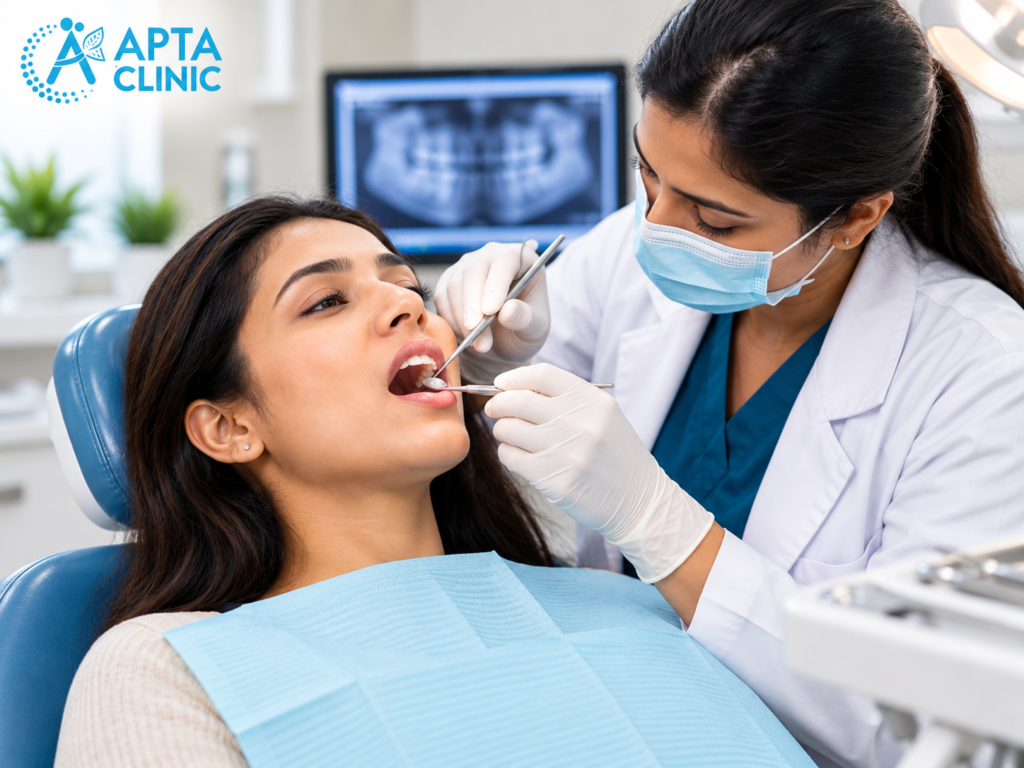
Why Does Your Tooth Hurt When You Chew?
Chewing places pressure on your teeth and the tissues that support them. If a tooth is damaged, decayed, cracked, or affected by inflammation, that pressure may trigger pain.
For example, a small crack may hurt when you bite down or release your bite. A cavity that has reached deeper tooth structures may cause pain when eating. A problem with an existing filling or crown can also make chewing uncomfortable.
Sometimes, the pain feels as though it comes from one tooth but is difficult to locate precisely. The surrounding gums or tissues may also be involved.
The important point is that pain while chewing is a symptom, not a diagnosis. A dentist can examine the tooth and surrounding tissues to determine what may be causing it and whether treatment is needed.
Common Causes of Tooth Pain When Chewing
- Tooth Decay or a Cavity
Tooth decay develops when acids produced by bacteria gradually damage the tooth structure. As the decay progresses, the tooth may become sensitive or painful, especially if deeper layers are affected.
Possible signs include sensitivity to sweets, hot or cold foods, visible damage, or pain while chewing. However, some cavities cause few noticeable symptoms in their early stages.
A dentist will assess the tooth and determine whether a filling or another treatment is appropriate.
- A Cracked or Fractured Tooth
A cracked tooth can cause sharp pain when you bite down or release the pressure. The discomfort may occur only with certain foods, which can make the problem difficult to identify.
Cracks may develop after biting hard objects, following an injury, or because a tooth has weakened over time. Not every crack is visible without a dental examination.
Do not repeatedly bite down to test whether the tooth still hurts. Avoid using the tooth to chew hard foods and arrange an assessment. The suitable treatment depends on the location and extent of the damage.
- A Loose or Damaged Filling
If you have had a filling before, pain while chewing could be related to damage, loosening, or a problem with the way the restoration meets your bite.
You may notice that the tooth feels different when you close your mouth or that food catches around the area. A filling can also fail without an obvious visible change.
A dentist can check the restoration and the underlying tooth. Depending on the findings, the filling may need adjustment, repair, or replacement, or the tooth may require additional treatment.
- Gum Inflammation or Infection Around the Tooth
The gums and supporting tissues help keep teeth stable. Inflammation or infection in these tissues can make a tooth feel tender when pressure is applied.
Other symptoms may include swollen or bleeding gums, tenderness, a bad taste in the mouth, or swelling around a particular tooth.
If you notice pus, facial swelling, fever, or worsening pain, seek prompt dental assessment. These symptoms may indicate an infection that needs professional treatment.
- A Dental Abscess
A dental abscess is a collection of pus associated with an infection. It may develop around the root of a tooth or in the surrounding gum tissues.
Symptoms can include persistent or throbbing pain, pain when biting, swelling, an unpleasant taste, fever, or feeling generally unwell. Not every abscess produces all these symptoms.
A suspected dental abscess needs urgent dental assessment. Pain relief alone does not remove the source of an infection. The dentist will determine the appropriate treatment after examining the area.
- A Problem With a Dental Crown
A tooth with a crown may hurt when chewing if the crown is damaged, the bite is uneven, or the underlying tooth or surrounding tissues have developed a problem.
If the discomfort began after a recent crown placement, contact your dentist for advice. Do not attempt to adjust the crown yourself.
The cause needs to be identified before deciding whether the crown requires an adjustment, repair, replacement, or treatment of the underlying tooth.
- Wisdom Tooth Problems
A wisdom tooth that is partly erupted or difficult to clean may develop inflammation around the gum. This can cause pain at the back of the mouth, discomfort while chewing, or swelling around the affected area.
Food trapped around the tooth may contribute to irritation. Other causes of pain in the same area are also possible, so an examination is needed to distinguish between them.
If you have increasing pain, swelling, difficulty opening your mouth, or fever, seek prompt dental care.
What Different Types of Tooth Pain May Mean
The way the pain behaves can help your dentist decide what to investigate. It cannot, by itself, establish a diagnosis.
|
What you notice |
Possible explanation |
|
Sharp pain when biting down |
A crack, decay, a damaged restoration, or inflammation around the tooth |
|
Pain when releasing your bite |
May occur with a cracked tooth |
|
Sensitivity to hot or cold |
Tooth decay, exposed dentine, or irritation of the tooth’s inner tissues |
|
Tenderness around the gum |
Gum inflammation or infection |
|
Persistent throbbing pain |
May be associated with deeper inflammation or infection |
|
Pain around a recent filling or crown |
A restoration-related problem or an issue with the underlying tooth |
If the pain is severe, persistent, or getting worse, do not rely on this table to decide what treatment you need. Arrange a dental assessment.
What Should You Do If Your Tooth Hurts When Chewing?
Until you can see a dentist, a few simple steps may help avoid further irritation.
Avoid chewing on the painful side. Choose softer foods and avoid hard, crunchy, or sticky items that trigger discomfort.
Keep the area clean. Brush gently with a soft toothbrush. If food is trapped between your teeth, rinse with water and clean the area carefully without forcing anything into the gum.
Avoid temperature triggers. If hot or cold foods increase the pain, choose foods at a comfortable temperature.
Consider appropriate pain relief. If you need an over-the-counter pain medicine, ask a pharmacist or healthcare professional what is suitable for you. Follow the label instructions and check for contraindications, particularly if you have other medical conditions, are pregnant, or take other medicines.
Arrange a dental appointment. Temporary improvement does not necessarily mean the underlying problem has resolved.
Do not place aspirin directly on the tooth or gum, try to repair a tooth yourself, or take leftover antibiotics without professional advice.
When Should You See a Dentist?
Arrange a dental appointment if pain while chewing persists, returns repeatedly, or is accompanied by sensitivity, damaged tooth structure, gum tenderness, or pain following dental treatment.
Seek prompt dental care if you have severe or worsening pain, swelling around a tooth or cheek, fever, pus, or difficulty opening your mouth.
Seek emergency medical care immediately if swelling affects your breathing or swallowing, or spreads towards your eye or neck. These symptoms can indicate a serious infection.
Do not wait for a routine appointment if you are experiencing these emergency warning signs.
How Does a Dentist Find the Cause of Tooth Pain?
Your dentist will ask when the pain started, which foods or movements trigger it, whether it continues after chewing, and whether you have noticed swelling or sensitivity.
The examination may include:
- Checking the tooth for visible decay, cracks, or damage.
- Examining the gums and surrounding tissues.
- Assessing existing fillings, crowns, or other restorations.
- Testing the tooth’s response to selected stimuli.
- Checking how your teeth meet when you bite.
- Taking dental X-rays if they are clinically indicated.
Not every patient needs the same tests. The examination is guided by your symptoms and what the dentist finds.
Once the likely cause is identified, the dentist can explain the options, expected benefits, limitations, and possible costs before treatment proceeds.
What Treatments May Be Recommended?
Tooth Pain Treatment depends on the cause, how much tooth structure is affected, and whether the inner tissues or surrounding gums are involved.
Dental Fillings
If the problem is a cavity that can be restored with a filling, the dentist may remove the decayed tissue and restore the affected area.
Dental Crowns
A crown may be considered when a tooth needs additional structural protection. Whether it is suitable depends on the remaining tooth structure and the clinical findings.
Root Canal Treatment
If the pulp inside the tooth is irreversibly inflamed or infected, root canal treatment may be recommended to treat the affected tissue and help preserve the tooth when appropriate.
Treatment for Gum Problems or Infection
If the pain is associated with gum disease or an abscess, the dentist will determine what treatment is required to address the source of the problem. Depending on the cause, this may involve treating the affected tooth or surrounding tissues.
Wisdom Tooth Treatment
If a wisdom tooth is responsible for the pain, the dentist will assess its position and the condition of the surrounding gum. Treatment depends on the findings; removal is not necessary in every case.
These are general treatment possibilities, not a prediction of what you will need. A dentist must assess the affected area before recommending a procedure.
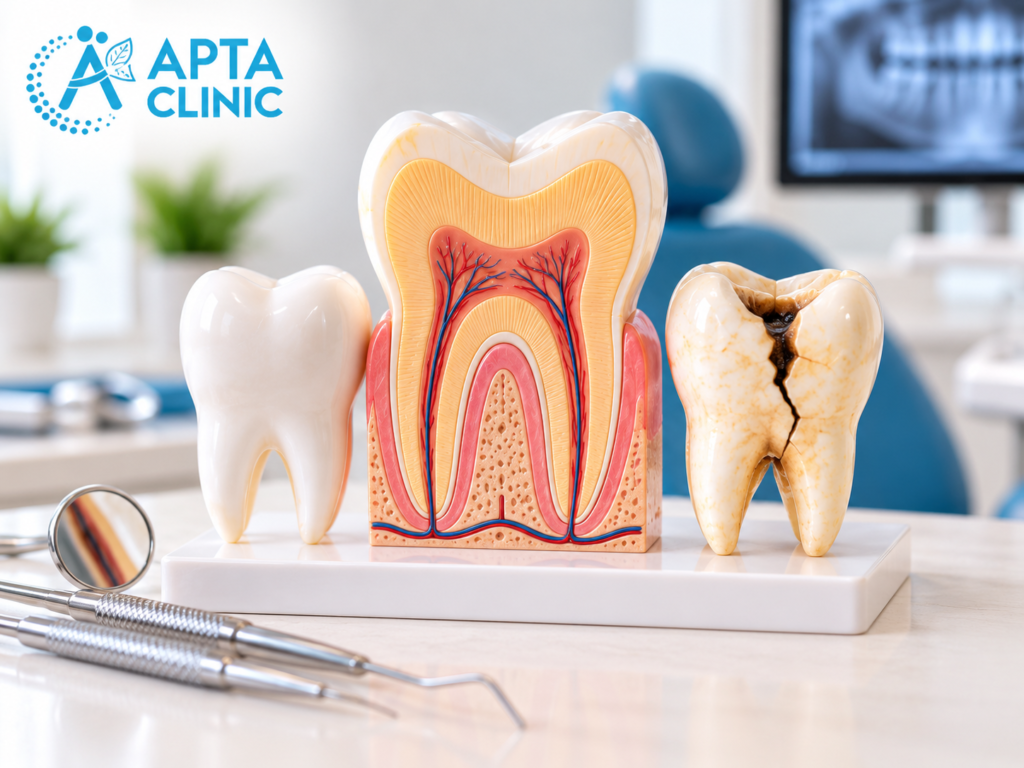
What Affects the Cost of Treating Tooth Pain?
There is no single price for tooth pain treatment because the appropriate care depends on the underlying cause.
The total cost may depend on:
- The consultation and examination required.
- Whether dental X-rays or other investigations are needed.
- The type and extent of tooth damage.
- Whether a filling, crown, root canal treatment, or another procedure is indicated.
- The materials used and the follow-up care required.
Ask the clinic for an estimate after the examination and confirm what the quoted amount includes. Avoid choosing a treatment based on price alone, particularly when the cause of the pain has not yet been established.
How Can You Reduce the Risk of Future Tooth Pain?
Good daily oral care can reduce the risk of tooth decay and some gum problems, although it cannot prevent every dental condition.
Brush twice daily with fluoride toothpaste and clean between your teeth regularly. Limit frequent sugary snacks and drinks, and attend dental check-ups at intervals recommended for your oral health.
Avoid biting hard objects such as ice or using your teeth to open packaging. If you grind your teeth or have a history of cracked teeth, discuss it with your dentist.
Pay attention to changes in your mouth. A small area of discomfort may be easier to assess before the problem becomes more complicated, so do not keep chewing through recurring pain.
Can Teeth Grinding Cause Pain When Chewing?
Hard foods require greater biting force than soft foods. If a tooth already has weakened enamel, an unnoticed crack, decay or a damaged restoration, the additional pressure may trigger discomfort. Nuts, hard sweets, ice and unpopped popcorn kernels can place particular stress on teeth. Avoid repeatedly testing a painful tooth by biting hard objects. Until it is assessed, choose softer foods and chew on the opposite side where possible.
Food trapped between two teeth or near the gumline can create pressure and irritate the surrounding gum tissue. This may cause discomfort when you bite, tenderness or bleeding during brushing. Repeated food trapping can sometimes indicate an issue such as a cavity, a gap between teeth, a defective restoration or gum changes. Clean the area gently and arrange a dental examination if the problem keeps returning.
Why Does My Tooth Hurt More When I Eat Hard Foods?
People consider plastic surgery for different reasons. Some want to address a physical feature that concerns them, while others may need reconstruction following an injury, burn, medical treatment, or congenital condition.
Whether a procedure is appropriate depends on the individual’s health, expectations, medical history, and the concern being addressed. Age or appearance alone does not determine suitability.
A consultation may help clarify whether plastic surgery is worth considering if you:
-
Have a specific concern about your appearance or body contour.
-
Have a scar or tissue change following an injury or previous operation.
-
Experience tightness or restricted movement associated with a scar or tissue deformity.
-
Want to understand reconstructive options after a medical condition or treatment.
-
Are prepared to discuss the potential risks, limitations, costs, and recovery requirements.
Plastic surgery is not the right solution for every concern. In some situations, non-surgical treatment, observation, or another medical specialty may be more suitable. A qualified surgeon can explain the options based on an individual assessment.
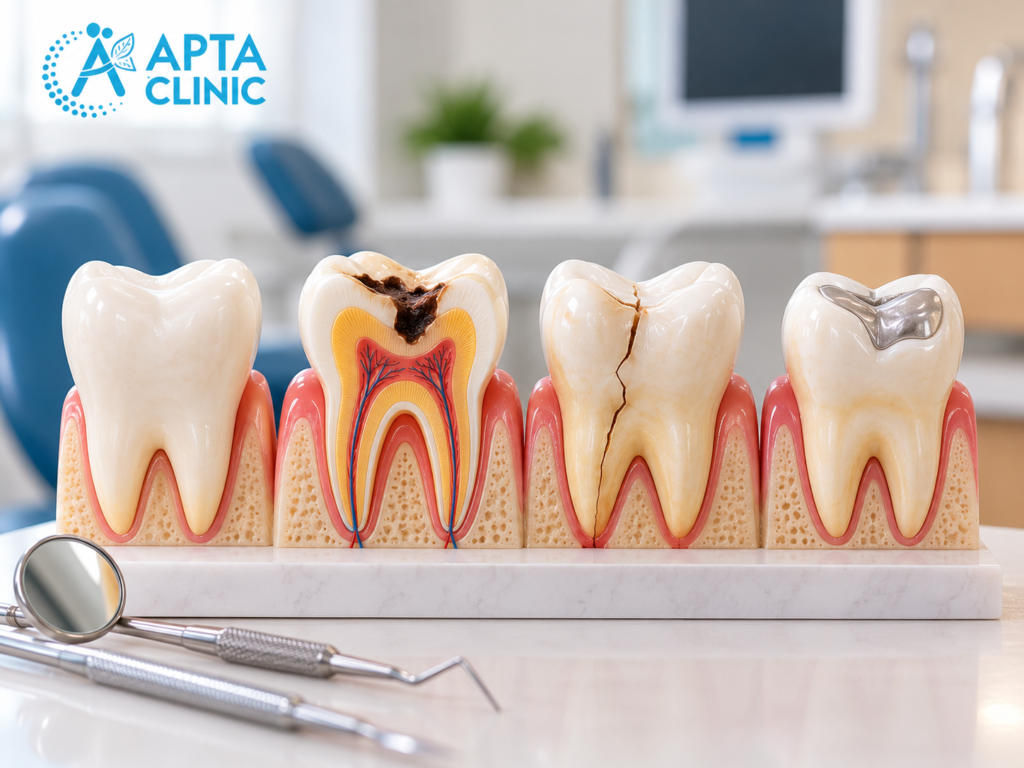
Dental Consultation at APTA Clinic, Mysore
If your tooth hurts when chewing, a dental assessment can help identify the cause and determine whether treatment is needed.
APTA Clinic’s website lists dental services including dental fillings, root canal treatment, crowns, bridges, dentures, implants, and wisdom tooth extraction. The appropriate treatment depends on the examination and the condition of the affected tooth.
To enquire about a dental appointment, contact APTA Clinic at +91 7411 707 555 or visit the dental clinic in Mysore page.
Clinic location listed on the website: Krishnamurthy Puram, Mysore. APTA Clinic also lists a Vijayanagar location. Contact the clinic to confirm the location and appointment availability most suitable for you.
Frequently Asked Questions (FAQs)
Pain when biting may be associated with tooth decay, a crack, a damaged filling, gum inflammation, or another dental problem. A dentist can examine the tooth to determine the cause.
Yes. Some cracked teeth hurt only when biting down or releasing the bite. The pain may come and go, so a dental assessment is useful even if the tooth does not hurt all the time.
Do not ignore recurring or persistent pain when chewing. Some dental problems may temporarily feel better while the underlying cause remains. Arrange an assessment, particularly if the pain is worsening or accompanied by swelling or fever.
There is no
Not necessarily. Root canal treatment is considered when the inner tissue of the tooth has a problem that warrants it. Other causes may require a filling, crown, gum treatment, or a different approach. An examination is needed to decide.
single recovery timeline for all procedures. Healing may take days, weeks or months, depending on the operation and individual circumstances. Your surgeon should provide guidance specific to your treatment.
A tooth may feel uncomfortable after a filling, but persistent pain, a feeling that the bite is uneven, or pain that develops later should be checked by your dentist. Do not try to adjust the filling yourself.
Choose soft foods that do not trigger pain and avoid chewing on the affected side. Avoid foods that are very hard, sticky, or at an uncomfortable temperature until you receive dental advice.
Seek prompt dental care for severe or worsening pain, swelling, fever, or suspected infection. If swelling affects breathing or swallowing, or spreads towards the eye or neck, seek emergency medical care immediately.
APTA Clinic lists dental services on its website. You can call +91 7411 707 555 or use its dental clinic page to enquire about an appointment.