Facial Reconstruction After an Accident: Treatment Options, Surgical Planning and Recovery
- Home
- Blog
- About Us
A facial injury can affect more than appearance. Depending on its severity and location, an accident may damage skin, soft tissue, teeth, the jaw or other facial bones. Some injuries heal with basic wound care, while others need specialist treatment to restore normal structure or function.
Facial reconstruction after an accident refers to treatment intended to repair damage to the face. The approach depends on the injury. A cut may need careful wound closure, a facial fracture may require assessment for stabilisation, and a complex injury can involve several specialists. Surgery is not necessary in every case.
If you have recently sustained a facial injury, immediate medical assessment comes first. Once urgent problems have been addressed, a specialist can assess any remaining structural, functional or cosmetic concerns and discuss suitable treatment options.
APTA Clinic in Mysore lists facial trauma repair among its facial surgery services. Contact the clinic to confirm whether it can assess your particular injury, which specialist would be involved and whether you need referral to a hospital or another service.
What Is Facial Reconstruction After an Accident?
Facial reconstruction is treatment to repair or restore facial structures affected by injury, disease or a congenital condition. After an accident, the goal may be to help an injured area heal, restore alignment, address damage to soft tissue or improve a problem that remains after the initial injury has settled.
The term covers different types of care. It does not describe one standard operation.
Treatment may involve wound care, repair of damaged soft tissue, management of dental or jaw injuries, or surgery for selected facial fractures. The exact plan depends on the location and severity of the injury, the condition of the surrounding tissues, the patient’s general health and whether other injuries are present.
A person with a small facial cut may need a very different level of care from someone with a displaced jaw fracture. The first task is to identify what has been injured and whether urgent treatment is needed.
What are the goals of facial reconstruction?
Depending on the injury, treatment may aim to:
- Protect the injured area and support appropriate healing.
- Restore the position or stability of affected facial structures.
- Address damage to skin and soft tissue.
- Improve a functional problem involving the jaw, bite or another affected structure.
- Reduce the effects of scarring or a visible contour change where treatment is appropriate.
- Address a persistent structural problem after the initial injury has healed.
These goals are not guaranteed outcomes. The result depends on the original injury, the available treatment options, healing and the time at which treatment takes place.
Which Facial Injuries May Need Specialist Treatment?
Facial injuries vary considerably. Some are straightforward, while others can affect several structures at once.
Cuts and soft-tissue injuries
Cuts to the face may involve the skin, deeper tissues or important structures around the eyes, nose, lips and mouth. The location, depth and cause of the wound help determine the care required.
A clinician may need to assess whether the wound requires closure, whether deeper structures are involved and how to reduce the risk of infection or healing problems. Deep, gaping or heavily bleeding wounds should not be managed as routine cosmetic concerns.
Facial fractures
A strong impact can fracture bones around the nose, cheek, eye socket or jaw. Signs may include pain, swelling, bruising, altered facial shape, difficulty opening the mouth or changes in the way the teeth meet. These symptoms do not confirm a fracture, and some serious injuries are not obvious from appearance alone.
Assessment may involve examination and imaging. Depending on the location and severity, a fracture may be managed without surgery or may need a procedure to restore alignment or stability.
Jaw and dental injuries
An accident can damage teeth, affect the jaw or change the way the upper and lower teeth meet. Dental injuries may require prompt assessment by a dentist, while suspected jaw fractures or significant bite changes need medical or specialist evaluation.
Do not try to force the jaw into position or adjust a displaced tooth yourself. Follow emergency medical or dental advice.
Injuries around the eyes and nose
Trauma around the eye can affect the eyelids, surrounding bones or the eye itself. Changes in vision, severe eye pain, double vision or difficulty moving the eye require urgent assessment.
An injury to the nose may cause bleeding, swelling or a change in shape. Some injuries need prompt medical treatment, particularly when breathing is affected or there is concern about a more serious injury.
Scarring and changes after the injury has healed
A scar, contour change or persistent asymmetry may remain after the initial injury. Once the wound has healed and the underlying structures have been assessed, a clinician can discuss whether observation, scar care or a reconstructive procedure might be appropriate.
The timing depends on the injury. Some problems need early treatment, while others can be reviewed after swelling decreases and healing progresses.
What Should You Do Immediately After a Facial Injury?
A suspected serious facial injury needs urgent medical assessment, not a routine reconstructive consultation.
Call local emergency services or go to an emergency department if the person has difficulty breathing, uncontrolled bleeding, loss of consciousness, confusion, repeated vomiting, severe eye symptoms, a suspected serious head injury or rapidly worsening symptoms. Do not delay emergency care while trying to arrange a cosmetic or reconstructive appointment.
While waiting for medical help:
- Follow the emergency operator’s instructions.
- If bleeding is present, apply gentle pressure with clean material where safe to do so. Avoid pressing on an embedded object or an area where pressure could worsen an eye injury.
- Do not move the person’s head or neck unnecessarily if a neck or spinal injury is possible.
- Do not attempt to realign facial bones or force the jaw closed.
- Avoid food and drink if emergency surgery may be needed, unless a healthcare professional advises otherwise.
- If there is an eye injury or suspected penetrating injury, avoid pressing on the eye.
These are general first-aid principles and do not replace emergency guidance. The appropriate response depends on the injury.
Even if the person feels reasonably well, a significant impact to the face may warrant prompt assessment. Symptoms such as altered vision, numbness, a new bite problem or difficulty opening the mouth should not be ignored.
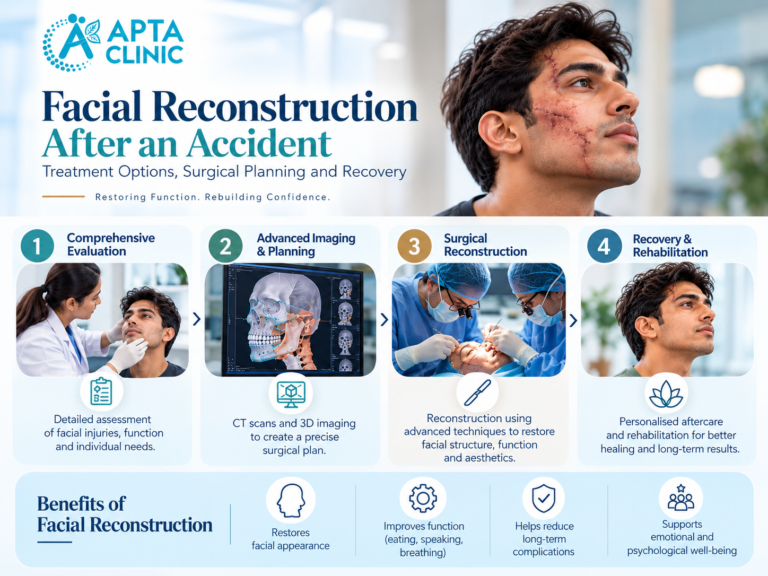
How Are Facial Injuries Assessed?
The assessment depends on the injury and whether the person has already received emergency treatment.
- Reviewing how the injury happened
The clinician may ask about the accident, when it occurred, the force or direction of impact, symptoms and any treatment already received. Information about loss of consciousness, bleeding, vision changes, dental damage and other injuries can be important.
Tell the healthcare team about existing medical conditions, medicines, allergies and previous facial operations. These details may influence treatment and healing.
- Examining the injured area
The examination may include the wound, facial bones, jaw movement, bite, facial sensation and the function of nearby structures. The clinician may also assess whether injuries outside the face need attention.
A detailed examination may not be possible until urgent problems have been stabilised or swelling has reduced.
- Deciding whether imaging is needed
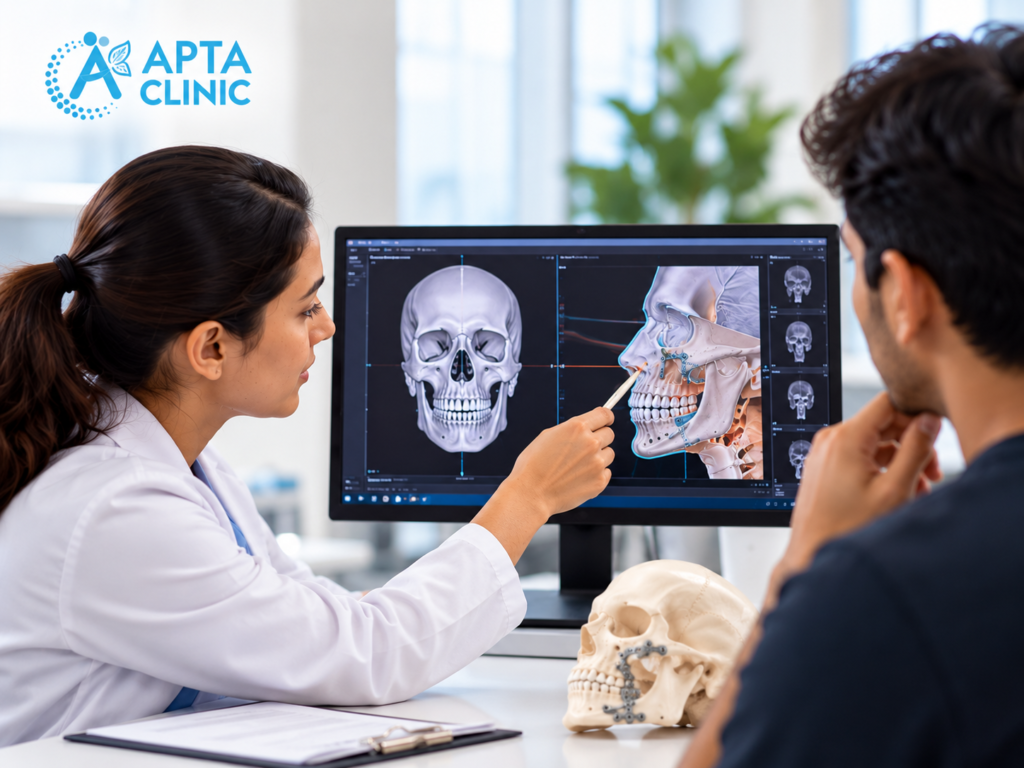
Imaging may be recommended when a fracture or deeper injury is suspected. The type of scan depends on the clinical question and the structures involved. Not every facial injury needs imaging.
The treating team should explain why a test is being considered and how its result may affect management.
- Identifying the right specialist
The appropriate clinician depends on the injury. Care may involve an emergency physician, oral and maxillofacial surgeon, plastic or reconstructive surgeon, ophthalmologist, ear, nose and throat specialist, dentist or another professional.
Some injuries need coordinated care. A clinic that provides facial surgery may not be the correct first destination for an unstable or potentially life-threatening injury.
- Discussing the treatment plan
After assessment, the clinician can explain whether the injury needs observation, wound care, specialist follow-up, a procedure or surgery. If a reconstructive procedure is being considered, ask about its purpose, alternatives, timing, risks and likely recovery requirements.
Treatment Options for Facial Trauma
There is no single treatment for facial injuries. The decision depends on what has been damaged and whether the injury is stable.
Wound care and closure
Some cuts can be cleaned and closed without reconstructive surgery. More complex wounds may need specialist repair, particularly if they involve important facial structures or significant tissue damage.
Appropriate wound care can support healing, but it cannot guarantee that a scar will be invisible. Scarring depends on factors such as wound depth, location, infection, skin characteristics and healing.
Non-surgical management
Some facial fractures and soft-tissue injuries can be managed without an operation. This may involve monitoring, pain management, wound care, activity restrictions or follow-up with the appropriate specialist.
Non-surgical treatment is not suitable for every injury. The clinician needs to assess stability, function and the risk of complications before recommending it.
Surgical repair of facial fractures
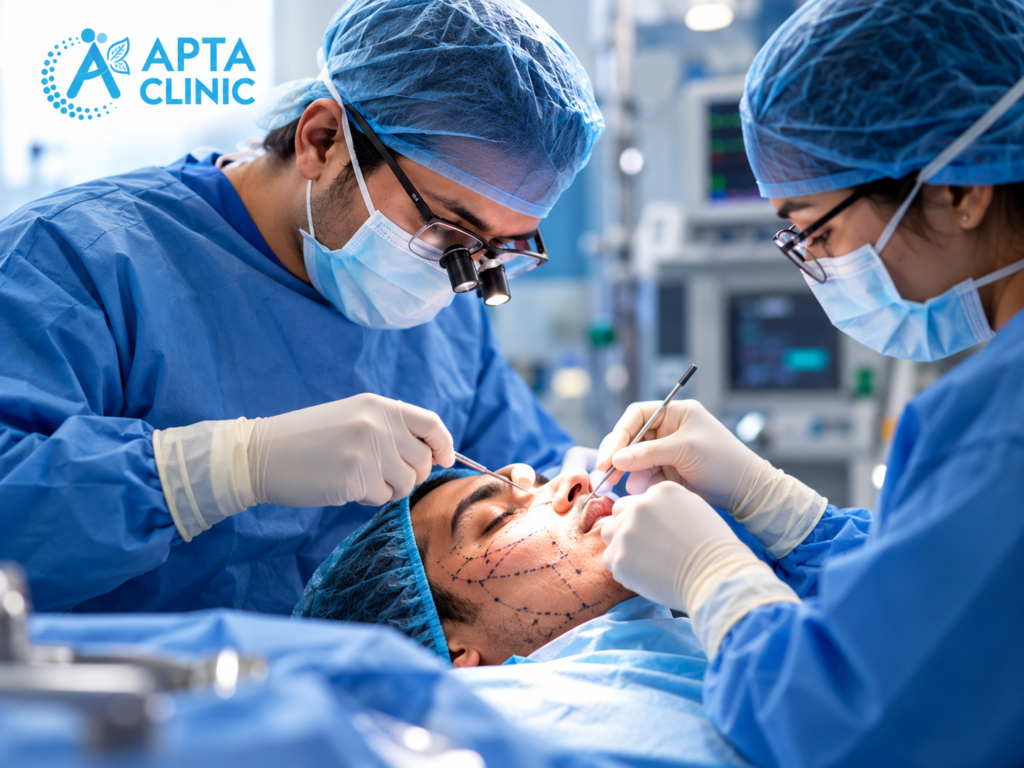
Selected fractures may need surgery to restore alignment or stability. The approach depends on the bones involved, the degree of displacement, associated injuries and the patient’s overall condition.
The decision to operate should be based on clinical findings, not simply on whether a fracture is visible on an image. Some fractures can be observed, while others require intervention to address functional or structural problems.
Soft-tissue reconstruction
An injury can damage skin or other soft tissues. Depending on the wound, repair may involve closing the tissue, repositioning available tissue or using another reconstructive technique.
The method depends on the size and location of the defect, the condition of the surrounding tissue and the structures that need protection. The clinician should explain the likely scar, healing requirements and limitations of the proposed approach.
Treatment for persistent changes after an accident
After the initial injury has healed, a person may remain concerned about a scar, facial asymmetry, a change in contour or difficulty with jaw function. These concerns need separate assessment because they can have different causes.
Treatment may not be appropriate until the underlying injury has stabilised. In some cases, observation is reasonable; in others, a specialist may discuss corrective treatment.
Not every visible change needs surgery, and not every reconstructive procedure can restore the face exactly to its pre-injury appearance.
How Is Reconstructive Surgery Planned?
Surgical planning begins with the injury, not with a predetermined procedure. The clinician considers which structures have been affected, whether the injury has stabilised and what treatment is likely to offer a meaningful benefit.
The timing of treatment
Some injuries need urgent surgery. Others can be treated after the patient is medically stable or after swelling has reduced. The right timing depends on the injury and the risk of delaying treatment.
Do not postpone an urgent assessment because you are waiting for swelling to settle. A clinician should decide whether it is safe to wait.
Understanding the affected structures
The plan may need to account for bone alignment, skin and soft tissue, the jaw and bite, nearby nerves or other structures. Where several areas are injured, more than one specialist may be involved.
Discussing the expected result
Ask what the procedure is intended to improve and what it may not change. Functional goals, such as restoring alignment or supporting jaw movement, may differ from aesthetic goals, such as reducing a contour difference.
A surgeon can discuss likely outcomes, but cannot guarantee a particular appearance or completely eliminate scarring.
Preparing for surgery
Preparation may involve medical assessment, imaging, medication review and instructions about food, drink, wound care and transport. The requirements depend on the procedure and whether it is being performed urgently or as planned treatment.
Follow the instructions given by the treating team. Do not stop prescribed medication or start a new medicine without appropriate advice.
What Does Recovery Involve?
Recovery depends on the injury and the treatment. A wound repair, a fracture operation and a complex reconstructive procedure have different healing requirements. The location of the injury and the presence of dental, eye or head injuries can also affect recovery.
The first few days
Swelling, bruising, tenderness and discomfort may occur after an injury or operation. Your clinician will advise how to care for the wound, manage prescribed medicines and protect the affected area.
Keep the area clean according to the instructions you receive. Do not apply unapproved products to a healing wound, remove sutures yourself or change a dressing in a way that conflicts with the care plan.
The first few weeks
Follow-up visits allow the clinician to check wound healing, review symptoms and identify complications. Depending on the injury, you may need restrictions on exercise, heavy lifting, contact sports or activities that could cause another impact.
If your jaw or teeth were injured, you may need specific instructions about eating, oral hygiene and jaw movement. Follow the plan given by the clinician treating that injury.
Scar healing and changes in appearance
Scars continue to change as they heal. Their colour, texture and visibility may evolve over time, and the process differs from person to person. A clinician can advise when scar care is appropriate and whether a persistent concern merits further assessment.
Avoid assuming that a scar needs surgery before it has been assessed. The timing and suitability of any additional treatment depend on the wound and the healing process.
Returning to daily activities
Your return to work, study, exercise and normal routines depends on the severity of the injury and the treatment received. Ask the clinician when it is safe to drive, resume strenuous activity or return to sports.
Supporting recovery at home
Before leaving the clinic or hospital, make sure you understand:
- How to care for the wound or surgical site.
- Which medicines to take and how to take them.
- When to attend follow-up appointments.
- Which activities to avoid and for how long.
- What symptoms should prompt a call to the treating team.
- Where to seek urgent help outside normal clinic hours.
Written instructions can be useful, particularly when several medicines or follow-up steps are involved.
Cost of Facial Reconstruction in Mysore
The cost depends on the injury and the treatment required. A straightforward wound repair may have very different costs from surgery involving facial bones, soft-tissue reconstruction, anaesthesia or a hospital stay.
The estimate may depend on:
- The type and severity of the injury.
- The investigations needed.
- Whether treatment is urgent or planned.
- The complexity of the procedure.
- Anaesthesia and facility charges, where applicable.
- Medicines, wound care and follow-up visits.
- Whether more than one specialist is involved.
Ask for an itemised estimate and clarify what it includes. If the injury resulted from an accident, insurance or other coverage may depend on the policy, circumstances and documentation required. Confirm coverage directly with the insurer rather than assuming a procedure will be paid for.
APTA Clinic’s publicly available information does not establish a single price for all facial reconstruction procedures. Contact the clinic to enquire about consultation fees, service availability and the expected cost for your particular concern.
Risks and Possible Complications
Facial trauma and reconstructive surgery carry risks that depend on the injury and the treatment required. Potential problems can include bleeding, infection, scarring, changes in sensation, delayed healing, persistent asymmetry or the need for additional treatment.
Fractures may also have complications related to alignment, the bite or the structures around the injured area. The risks are different for each injury, so a general list cannot replace a procedure-specific discussion.
Before agreeing to planned surgery, ask the clinician:
- What problem is the procedure intended to address?
- What are the main risks in my case?
- What are the alternatives, including observation?
- What changes should I expect during healing?
- Is further treatment sometimes needed?
- What will follow-up involve?
If treatment is being provided urgently, the priority may be to stabilise the injury and prevent serious complications. Detailed discussions about later corrective options can take place when it is medically appropriate.
When Should You Seek Medical Assessment?
Choosing the right treatment begins with a thorough evaluation by an appropriately qualified medical specialist. If you or a loved one has experienced a facial injury, seek prompt medical attention, particularly if there is heavy bleeding, difficulty breathing, changes in vision or suspected facial fractures. For non-emergency reconstruction concerns, consult a qualified specialist to understand the available options, expected recovery and possible risks. At APTA Clinic, Mysore, contact the clinic to confirm whether an appropriate specialist consultation or referral is available for your needs.
Common Facial Injuries That May Require Reconstruction
Accidents can cause different types of facial injuries, ranging from superficial wounds to complex fractures. Some injuries may heal with basic treatment, while others require specialist evaluation and surgical repair.
Common injuries that may require reconstructive assessment include:
Facial fractures: Breaks in the cheekbones, nose, jaw or other facial bones that may affect facial shape and function.
Soft tissue injuries: Cuts, tears and damage to the skin, muscles or other tissues that may require careful repair.
Jaw injuries: Trauma that affects the bite, jaw movement, chewing or alignment of the teeth.
Nasal injuries: Damage to the nose that may affect its structure or breathing.
Facial scarring: Wounds that heal with noticeable scars, uneven skin texture or changes in appearance.
Complex tissue damage: Severe injuries that may require staged reconstruction to repair affected areas.
A thorough examination helps determine which structures have been affected and whether further investigations, such as medical imaging, are necessary.
Why Early Assessment Is Important
assessment after a facial accident can help identify injuries that are not immediately obvious. Swelling, bruising and pain may make it difficult to understand the full extent of the damage without a clinical examination. Some injuries may also involve the teeth, eye socket, jaw or other structures that need specific attention.
A medical professional may assess the wound, facial movement, bite alignment, sensation and other relevant functions. Depending on the findings, imaging or specialist referral may be recommended. Early treatment can help address urgent problems and guide decisions about the timing of reconstruction.
Suspected facial fractures, uncontrolled bleeding, difficulty breathing, significant eye injuries or changes in vision require urgent medical attention. Sudden confusion, weakness or other signs of a serious head injury also need emergency assessment. Cosmetic concerns should never delay treatment of a potentially serious injury.
Facial Trauma Services at APTA Clinic, Mysore
APTA Clinic lists facial trauma repair among its facial surgery services. Whether the clinic is suitable for a particular accident-related injury depends on the type of damage, the urgency of care and the service currently available.
If the injury is recent and may be serious, seek emergency assessment first. If you have already received treatment and want advice about a persistent facial, structural or scar-related concern, contact the clinic to ask whether it can arrange an appropriate consultation.
When making an enquiry, be ready to explain when the accident occurred, what part of the face was injured, whether you received emergency treatment and what concern remains. Do not send sensitive medical photographs or personal information through an unsecured channel unless the clinic has advised you on an appropriate method.
Contact APTA Clinic
- Phone: +91 7411 707 555
- Email: aptaclinics@gmail.com
- Location: Krishnamurthy Puram, Mysore, Karnataka
Frequently Asked Questions (FAQs)
It is treatment to repair damage to facial structures after an injury. Depending on the case, it may involve wound care, repair of soft tissue, treatment of selected fractures or a later procedure to address a persistent structural concern.
No. Some injuries can be managed with wound care, observation or other non-surgical treatment. Surgery is considered when the nature of the injury makes it appropriate. A clinician must assess the injury before recommending a treatment plan.
The right specialist depends on the injury. Serious or recent trauma should be assessed through emergency care. Later treatment may involve an oral and maxillofacial surgeon, plastic or reconstructive surgeon, ophthalmologist, ENT specialist, dentist or another clinician.
Seek emergency help for difficulty breathing, uncontrolled bleeding, loss of consciousness, confusion, serious eye symptoms, suspected head or neck injury, or rapidly worsening symptoms. Do not wait for a routine reconstructive consultation if a serious injury is possible.
Treatment may restore some structures or improve a functional or appearance-related problem, but an exact return to the pre-injury appearance cannot be guaranteed. Outcomes depend on the injury, available treatment and healing
A clinician examines the injury and may recommend imaging when a fracture or deeper damage is suspected. The type of assessment depends on the location and severity of the injury.
Recovery varies with the injury and procedure. Wound healing, swelling, bone healing and scar maturation follow different timelines. Your treating clinician can give a more useful estimate based on the specific treatment.
The cost depends on the injury, investigations, treatment complexity, anaesthesia or facility charges and follow-up. Contact the provider for a current estimate based on your case.
APTA Clinic lists locations in Krishnamurthy Puram and Vijayanagar, Mysore.