
Why Do My Gums Bleed When I Brush? In Mysore
- Home
- Blog
- About Us
If you notice blood when brushing your teeth, you may wonder whether you are brushing too hard or whether something else is happening.
Bleeding gums are not something you should regularly ignore. One common cause is inflammation associated with plaque buildup around the teeth and gumline. However, brushing technique, gum disease, hormonal changes, certain medicines and other factors can also contribute.
If your gums continue to bleed regularly, a dental examination can help identify to bleed regularly, a dental examination can help identify the cause.
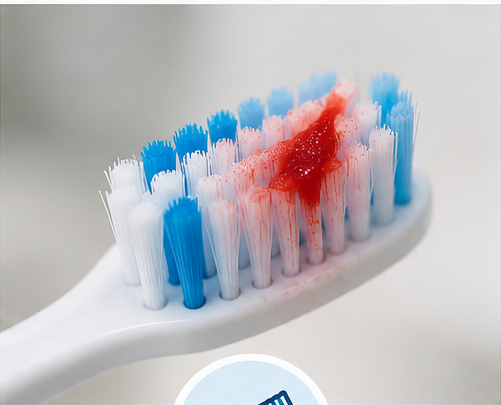
Is It Normal for Gums to Bleed When Brushing?
Could Bleeding Gums Be a Sign of Gum Disease?
Yes, bleeding can be associated with gum disease.
In its early stage, gum disease is commonly called gingivitis. The gums may become inflamed and bleed when brushed or flossed.
If gum disease progresses, it can affect the tissues and bone supporting the teeth.
Other symptoms that may occur with gum problems include:
- Red or swollen gums
- Tender gums
- Persistent bad breath
- Receding gums
- Loose teeth
- Changes in how teeth fit together
- Discomfort while chewing
Having one or more of these symptoms does not by itself confirm a specific condition. A dental examination is needed to determine the cause.
What Can You Do About Bleeding Gums?
Your daily oral-care routine plays an important role in gum health.
Brush gently
Brush twice a day using a soft-bristled toothbrush.
Use gentle movements around the gumline rather than applying excessive pressure.
Clean between your teeth
A toothbrush cannot effectively reach every surface between teeth.
Regular interdental cleaning can help remove plaque and trapped food from these areas.
Keep your tongue clean
Bacteria and debris can accumulate on the tongue. Gentle tongue cleaning can form part of a good oral-hygiene routine.
Avoid tobacco
Tobacco use can negatively affect oral health and is associated with gum disease.
Avoiding tobacco can support healthier gums and overall oral health.
Don’t ignore persistent bleeding
Improving your oral hygiene is useful, but persistent bleeding should not simply be managed at home indefinitely.
If bleeding continues, arrange a dental examination.
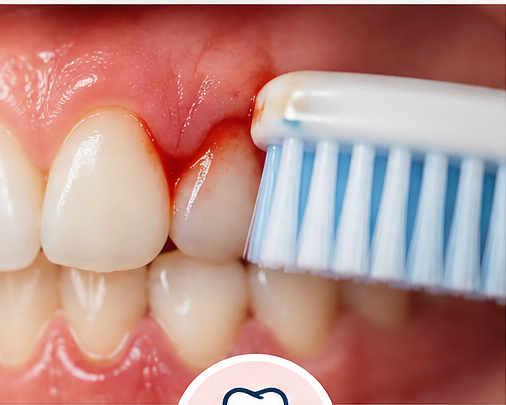
Bleeding Gums in Mysore: When Should You Get Them Checked?
If you live in Mysore and regularly notice blood while brushing, consider having your gums examined rather than assuming that bleeding is a normal part of brushing.
The cause may be plaque-related inflammation or another relatively straightforward issue, but persistent bleeding can also occur with gum disease or other factors that require professional assessment.
A dental professional can examine your teeth and gums and recommend the appropriate next step based on your individual situation.
How Can You Prevent Bleeding Gums?
Good daily oral hygiene can help reduce plaque accumulation and support healthy gums.
Helpful habits include:
- Brush twice a day.
- Use a soft-bristled toothbrush.
- Brush gently rather than aggressively.
- Clean between your teeth regularly.
- Maintain regular dental check-ups.
- Avoid tobacco products.
- Follow your dentist’s personalised oral-care recommendations.
Prevention is not only about brushing your teeth. The gumline and spaces between teeth also need attention.
When Should You See a Dentist?
Consider seeing a dentist if your gums:
- Bleed regularly when brushing or flossing
- Remain swollen or tender
- Look unusually red
- Are receding
- Are associated with persistent bad breath
- Are accompanied by loose teeth
- Continue bleeding despite improving your oral-care routine
You should seek prompt medical or dental attention if bleeding is severe, prolonged or accompanied by other concerning symptoms.
A professional examination can help distinguish between simple gum irritation and a problem requiring further treatment.
Can Poor Oral Hygiene Cause Bleeding Gums?
Inconsistent brushing and cleaning between the teeth can allow plaque to remain along the gumline. Over time, this buildup may irritate the gums and contribute to inflammation and bleeding. Paying attention to areas that are difficult to reach, especially between teeth and near the back molars, can help support better gum health.
Can Tartar Cause Your Gums to Bleed?
Tartar is hardened plaque that cannot usually be removed with ordinary brushing alone. When tartar accumulates around the gumline, it can irritate the surrounding tissues and make bleeding more likely. Professional dental cleaning may be recommended when tartar has built up and cannot be removed through normal home care.
Why Do My Gums Bleed When I Floss?
Bleeding during flossing can occur when the gums are already irritated or inflamed. It may also happen when flossing is performed too forcefully or incorrectly. Instead of stopping oral cleaning altogether, use a gentle technique and discuss persistent bleeding with a dental professional to determine whether an underlying gum problem is present.
Can Stress Affect Gum Health?
Stress can influence everyday habits such as brushing, flossing, eating and sleeping, which may indirectly affect oral health. Some people may also clench or grind their teeth during stressful periods, placing additional pressure on the teeth and surrounding tissues. If gum bleeding continues alongside other oral symptoms, a dental assessment can help identify the contributing factors.
Can Smoking or Tobacco Make Bleeding Gums Worse?
Tobacco use can negatively affect gum health and is associated with a higher risk of gum disease. Smoking can also affect the gums’ response to inflammation, meaning the absence of obvious bleeding does not necessarily indicate healthy gums. Avoiding tobacco products is an important part of maintaining healthier teeth and gums.
What Does Healthy Gum Care Look Like Every Day?
Healthy gum care involves more than simply brushing your teeth. Brush gently twice a day with a soft-bristled toothbrush, clean between your teeth regularly, and pay attention to changes such as swelling, redness, tenderness or bleeding. Regular dental examinations can also help identify gum problems early and determine whether professional cleaning or other care is needed.
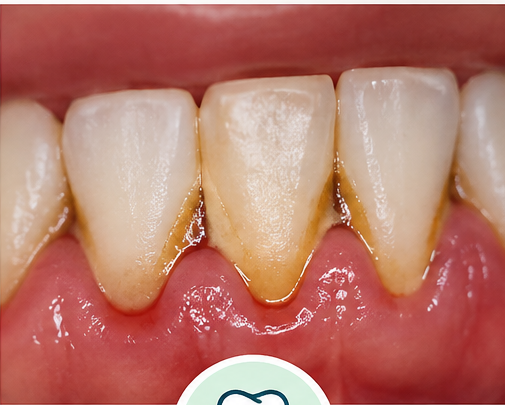
Can a New Toothbrush Cause Gum Bleeding?
Changing to a new toothbrush may sometimes make your gums feel different, particularly if the new brush has firmer bristles or you are applying too much pressure. A soft-bristled toothbrush and gentle, controlled movements can help reduce unnecessary irritation. If bleeding continues even after adjusting your brushing technique, it is worth having your gums examined.
Does Diet Affect Gum Health?
A balanced diet supports overall oral health, while frequent consumption of sugary foods and drinks can contribute to plaque formation and tooth problems. Maintaining good nutrition alongside regular brushing and interdental cleaning can support healthier gums. If your gums continue to bleed despite good oral-care habits, a dental examination can help determine whether another factor is involved.
Can Bleeding Gums Happen Without Pain?
Yes, gum problems do not always cause noticeable pain. Inflammation can sometimes lead to bleeding during brushing or flossing before significant discomfort develops. This is why recurring bleeding should not be dismissed simply because your gums do not hurt. Paying attention to changes in gum colour, swelling, recession or bleeding can help prompt an appropriate dental assessment.
Why Do My Gums Bleed Around One Tooth?
Bleeding that consistently occurs around one particular tooth may have a local cause, such as plaque accumulation, trapped food, irritation or an issue affecting that tooth or its surrounding gum. The exact cause cannot be determined from bleeding alone. If the same area repeatedly bleeds, a dentist can examine the tooth and gum around it and recommend appropriate care.
What Causes Gums to Bleed?
. Plaque Buildup
Plaque is a sticky layer containing bacteria that forms continuously on teeth.
When plaque is not removed effectively, it can irritate the gums. Continued buildup may cause inflammation and increase the likelihood of bleeding during brushing.
Over time, plaque can harden into tartar, which cannot generally be removed through normal brushing alone.
- Brushing Too Hard
Brushing with excessive force can irritate the gums.
A harder brush or aggressive brushing technique does not necessarily provide better cleaning. Instead, it can cause unnecessary irritation and may contribute to gum problems.
A soft-bristled toothbrush and gentle technique are generally preferable.
- Changes in Flossing Habits
If you have recently started cleaning between your teeth, you may notice some bleeding.
However, persistent bleeding should not automatically be attributed to flossing. If your gums continue to bleed regularly, a dental examination can help determine whether inflammation or another problem is present.
- Gingivitis and Gum Disease
Bleeding gums can be one of the signs of gingivitis.
Gingivitis involves inflammation of the gums and is commonly associated with plaque accumulation.
Without appropriate care, gum disease can progress and affect the tissues that support the teeth. More advanced periodontal disease can be associated with symptoms such as gum recession, persistent bad breath and loose teeth.
- Hormonal Changes
Hormonal changes can affect gum sensitivity.
Some people may experience increased gum sensitivity or inflammation during periods of hormonal change, including pregnancy.
Good oral hygiene remains important during these periods, and persistent symptoms should be discussed with a dental professional.
- Certain Medicines and Health Conditions
Some medicines and health conditions can affect the gums or increase the tendency to bleed.
For example, certain blood-thinning medicines may affect bleeding. Conditions such as diabetes can also be associated with gum problems.
If your gum bleeding is new, persistent or unexplained, tell your dentist about any medicines and relevant health conditions.
Consult APTA Clinic in Mysore for Your Dental Concerns
If you are experiencing bleeding gums, tooth sensitivity, tooth pain, bad breath, or any other dental concern, consider consulting a dental professional rather than relying on self-diagnosis. APTA Clinic in Mysore provides dental care for a range of oral health needs, including preventive care, restorative treatments, dental surgery, and implants. A dental examination can help identify the possible cause of your symptoms and determine the appropriate next steps for your oral health. If you have persistent or recurring dental problems, you can contact APTA Clinic to discuss your concerns and arrange a dental consultation.
Frequently Asked Questions (FAQs)
A common cause is inflammation related to plaque buildup around the teeth and gums. Other possible causes include brushing too hard, gum disease, hormonal changes, certain medicines and other health factors.
Regular bleeding is not generally considered a sign of healthy gums. If your gums repeatedly bleed when brushing or flossing, it is worth discussing the problem with a dentist.
Yes. Excessive brushing pressure can irritate the gums. Using a soft-bristled toothbrush and gentle brushing technique can help reduce unnecessary irritation.
Bleeding can be a symptom of gingivitis, but bleeding alone cannot confirm that you have the condition. A dental professional can examine your gums and determine the cause.
Do not simply stop brushing. Gentle and consistent oral hygiene is important for gum health. If bleeding persists, arrange a dental examination.
Changes in flossing habits may sometimes be associated with temporary bleeding, but persistent bleeding should not automatically be blamed on flossing. A dental evaluation can help identify the underlying cause.
Brush twice daily with a soft-bristled toothbrush, clean between your teeth, avoid aggressive brushing and maintain regular dental check-ups.
See a dentist if bleeding happens regularly or occurs alongside swollen gums, persistent bad breath, gum recession, loose teeth or other oral symptoms.
Yes. Ask what is included in the quoted cost and whether there may be separate charges for consultation, surgery, anaesthesia, facility fees, medicines, follow-up or additional treatment.
Coverage depends on your individual policy and the reason for the procedure. Confirm the details with your insurer and the clinic.
You can ask to see relevant photographs. Remember that another patient’s result does not guarantee the same outcome for you.
Yes. Ask who will perform the procedure, who else will be involved in your care and where the surgery will take place.