
Itchy Skin Treatment in Mysore
- Home
- Blog
- About Us
An itchy patch on your arm, an irritated scalp or a persistent urge to scratch can be uncomfortable, especially when you cannot work out what is causing it. Itchy skin may result from dryness, irritation, an allergic reaction or a skin condition. Sometimes, itching occurs without a visible rash.
The cause is not always obvious from how your skin looks or feels. Pay attention to how long the itching has lasted, where it occurs and whether you have noticed other symptoms.
If the itching keeps returning, affects your sleep, spreads across your body or does not improve with simple skin care, consider getting it assessed by a healthcare professional.
What Causes Itchy Skin?
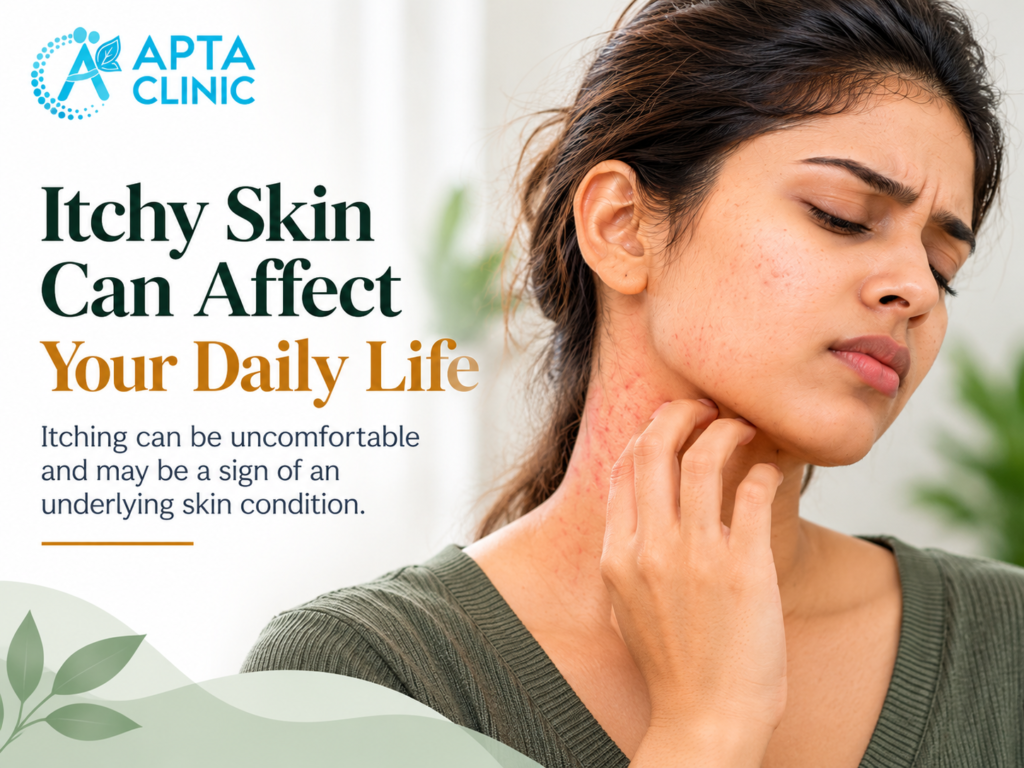
Itchy skin, medically known as pruritus, is an uncomfortable sensation that makes you want to scratch. It can affect one small area or several parts of the body. You may notice dryness, redness, bumps or flaky skin, but sometimes there is no visible change.
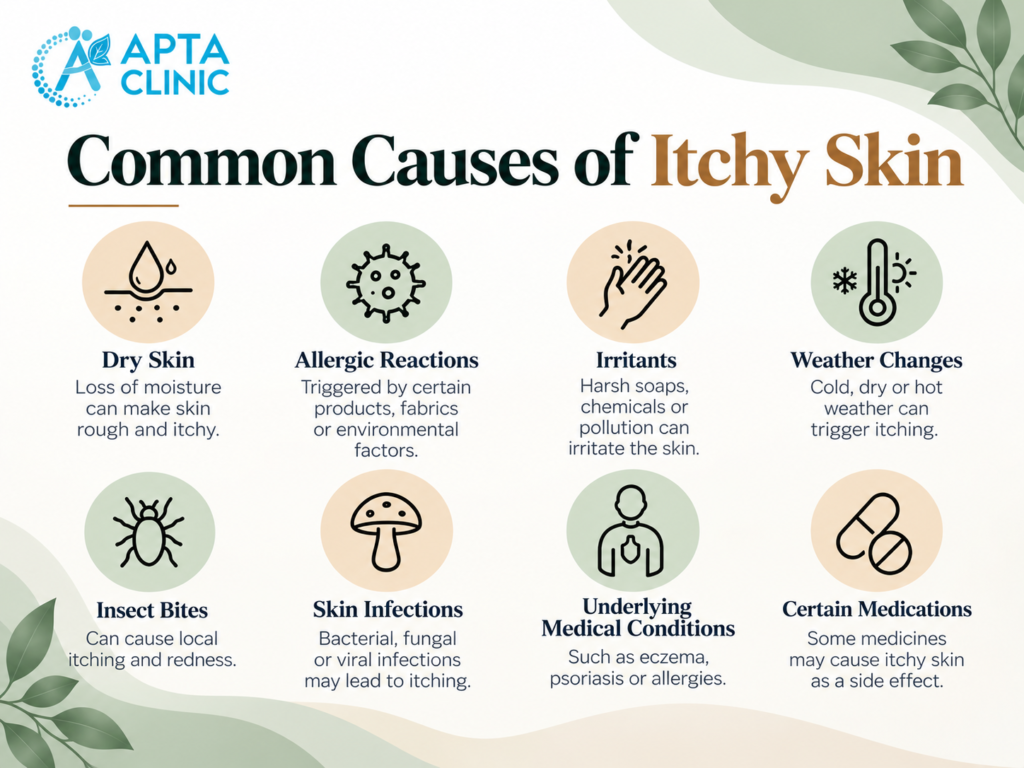
Common causes include dry skin, contact with irritating products, allergic reactions and inflammatory skin conditions. Infections, certain medicines and some underlying health conditions can also cause itching. These causes can produce similar symptoms, so itching alone is not enough to identify the problem.
Common Reasons Your Skin May Be Itching
- Dry skin
Dry skin is a common reason for itching. It may feel rough, tight or flaky, and scratching can make the irritation worse.
Frequent washing, hot showers, harsh soaps and low humidity can contribute to dryness. Some people also experience dry skin as they get older.
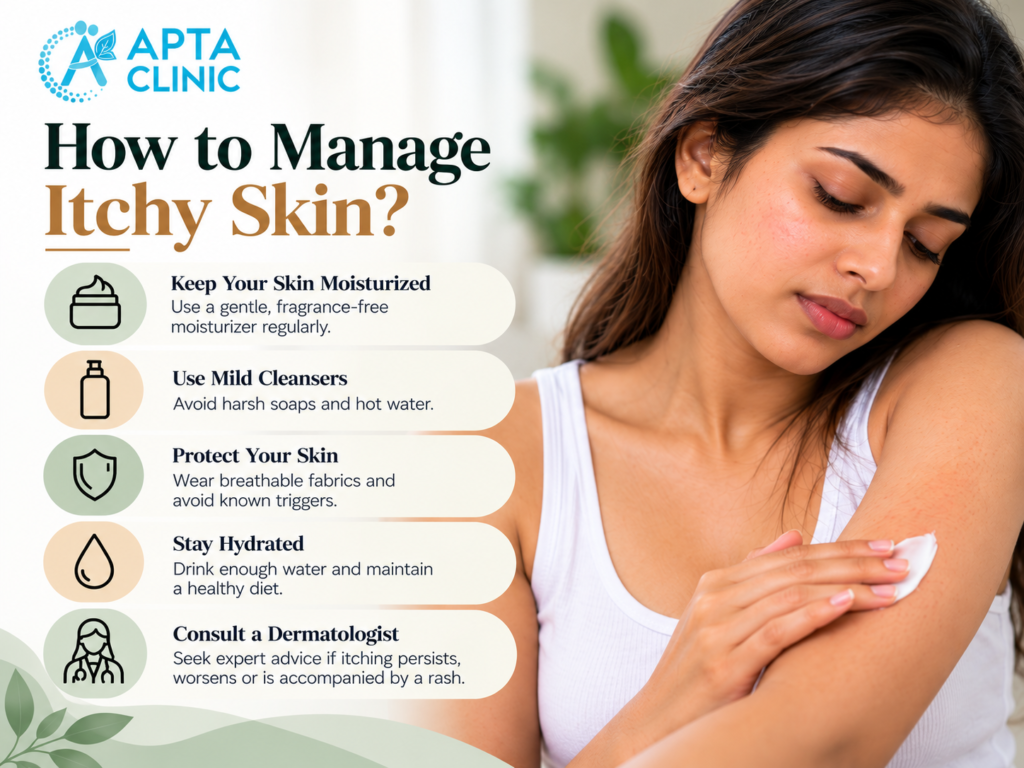
Using a gentle, fragrance-free moisturiser and avoiding very hot showers may help. If your skin remains itchy despite these changes, seek medical advice.
- Allergies and contact dermatitis
Your skin can react to substances that touch it. Common triggers include fragrances, cosmetics, soaps, detergents, metals in jewellery and some personal-care products.
This type of reaction, called contact dermatitis, may cause itching, redness, dryness or a rash. In some cases, small blisters or cracks develop.
Think about whether the symptoms started after you changed a skincare product, detergent, perfume or other item that touches your skin. Stop using a suspected non-essential irritant and ask a healthcare professional for advice if the reaction persists or worsens. Do not assume every itchy rash is an allergy.
- Eczema and other inflammatory skin conditions
Conditions such as eczema can cause recurring itching, dryness and inflamed patches. The affected skin may look scaly, thickened, cracked or bumpy, depending on the condition and your skin tone.
Psoriasis and seborrhoeic dermatitis can also cause itchy or flaky areas. The appearance and location of the affected skin may help a clinician narrow down the possible causes, but an examination may be needed.
If you have recurring flare-ups, broken skin or itching that interferes with sleep, arrange a medical assessment rather than repeatedly trying different creams.
- Hives and insect bites
Insect bites can cause localised itching and small bumps. Hives, also known as urticaria, typically cause raised, itchy areas that may appear in one place and then change or move.
Hives can be triggered by various factors, including infections, medicines and allergic reactions. The trigger is not always easy to identify.
Seek medical advice if the rash is spreading, keeps returning or comes with other symptoms. Sudden swelling of the lips, tongue or throat, or difficulty breathing, can indicate a serious allergic reaction and requires emergency care.
- Fungal infections and other skin infections
Some fungal infections, including ringworm, can cause itchy, scaly patches. The affected area may have a defined edge or a different appearance from the surrounding skin. Other infections can also cause itching or irritation.
Do not assume that every circular or itchy patch is fungal. Several skin conditions can look similar, and the wrong treatment may delay appropriate care. If the rash is spreading, recurring or not improving, have it assessed.
- Medicines and underlying health conditions
Some medicines can cause itching as a side effect. Itching across large areas of the body, particularly without a clear rash, can sometimes be associated with conditions affecting organs such as the liver or kidneys, thyroid problems or other medical issues.
This does not mean that widespread itching automatically indicates a serious illness. It does mean that persistent, unexplained itching deserves attention.
If the symptoms began after starting a medicine, speak to the prescribing clinician or pharmacist. Do not stop a prescribed medicine on your own.
Why Is My Skin Itchy Without a Rash?
Itching does not always come with visible redness or bumps. Dryness, certain medicines, nerve-related problems and some underlying health conditions may cause itching without an obvious rash.
Consider the pattern:
- One small area: Local irritation, dryness or a nerve-related cause may be among the possibilities.
- Several areas or the whole body: Dry skin, medicine effects and other health conditions may need consideration.
- Itching that repeatedly wakes you at night: The timing alone cannot identify the cause, but persistent symptoms deserve assessment.
- Itching that continues without an explanation: A clinician may need to examine your skin and ask about your health, medicines and other symptoms.
These patterns are clues, not diagnoses. If you have persistent or widespread itching without a clear cause, arrange a medical assessment.
What Can You Do to Soothe Itchy Skin?
If the itching is mild and you feel otherwise well, a few simple steps may help reduce irritation while you monitor your symptoms.
- Take short, lukewarm showers instead of very hot ones.
- Apply a gentle, fragrance-free moisturiser, especially after bathing.
- Use a cool, damp cloth on the itchy area for temporary relief.
- Choose soft clothing that does not rub against irritated skin.
- Avoid scratching as much as possible, because it can damage the skin.
- Pause any new, non-essential fragranced skincare product that appears to trigger irritation.
- Keep track of when the itching began and whether anything seems to make it worse.
Avoid applying multiple medicated creams or home remedies without knowing what is causing the symptoms. A treatment suitable for one condition may not be appropriate for another.
If the itching is severe, keeps returning or does not improve, do not rely on self-care alone.
When Should You See a Dermatologist?
Consider arranging a medical assessment if:
- The itching is persistent or keeps coming back.
- It is affecting your sleep, concentration or everyday activities.
- It covers much of your body or has no clear cause.
- You have a new rash, lump, swelling or noticeable skin change that concerns you.
- Your skin is painful, cracked or becoming increasingly irritated.
- You notice signs that may suggest infection, such as pus or worsening redness.
- The symptoms began after starting a medicine and you are concerned about a possible reaction.
A dermatologist can examine your skin, ask about the symptoms and consider possible causes. Depending on the findings, further tests or treatment may be appropriate. Not everyone with itchy skin needs testing or prescription medication.
What Happens During a Skin Assessment?
Your appointment will usually begin with questions about the itching. The clinician may ask:
- When did the itching start?
- Which parts of your body are affected?
- Is there a rash, dryness, swelling or another visible change?
- Does the itching worsen at a particular time?
- Have you changed any skincare products, detergents or medicines?
- Have you experienced other symptoms?
- Have you tried any treatments, and did they help?
The clinician may examine the affected skin and, when appropriate, recommend further investigation. For unexplained or widespread itching, additional tests may sometimes be considered depending on your history and examination.
Treatment depends on the underlying cause. It may involve changes to skin care, a suitable topical treatment, management of a skin condition or further medical evaluation. There is no single cream or treatment that is appropriate for every type of itching in Mysore.
When Is Itching an Emergency?
Most itching is not an emergency, but some accompanying symptoms need immediate attention.
Seek emergency medical care if itching or a rash occurs with sudden swelling of the lips, tongue or throat, difficulty breathing, or difficulty swallowing. These can be signs of a severe allergic reaction.
Seek prompt medical attention if you have a rapidly worsening rash, significant pain, fever with a rash that appears infected, or other symptoms that make you feel seriously unwell.
Do not delay urgent care while trying to book a routine dermatology appointment.
Why Does Your Skin Feel Itchy Even When There Is No Visible Rash?
Not every skin problem that causes itching produces a visible rash. Some people experience persistent itching even though their skin looks normal, without obvious redness, bumps or swelling. This can happen for several reasons, including dry skin, irritation, medication reactions and changes in the nerves responsible for transmitting sensations. In some cases, widespread itching without a noticeable rash may also be associated with underlying health conditions involving the liver, kidneys, thyroid or blood. However, having itchy skin does not automatically mean that an internal medical problem is present. The duration, location and intensity of the itching, along with other symptoms, help determine whether further investigation is necessary.
Another important factor is the difference between localised and generalised itching. Localised itching affects a particular area, such as the arms, legs, back or scalp, while generalised itching involves several areas or much of the body. A dermatologist may examine the skin for subtle changes that are difficult to notice at home and ask about your health history, medications and daily routine. If the itching continues despite basic skincare measures, keeps returning or affects your sleep, arrange a professional evaluation rather than repeatedly applying different creams without understanding the cause.
Why Does Itching Often Become Worse at Night?
Some people notice that their skin becomes considerably itchier after going to bed, even when the symptoms seem manageable during the day. Several factors may contribute to this experience. Changes in body temperature, warmth under blankets, dry indoor air and reduced distractions can make itching more noticeable at night. Skin conditions such as eczema may also cause uncomfortable nighttime flare-ups, making it difficult to fall asleep or remain asleep. Repeated scratching can further irritate the affected skin and create a cycle of discomfort that continues throughout the night.
Nighttime itching should not automatically be attributed to dry skin or allergies. Certain conditions, including scabies, may cause particularly troublesome itching at night. If other people in your household are also experiencing itching, or if you notice small bumps, burrows or a rash in specific areas, seek medical advice to determine whether an infestation or another skin condition is involved. Avoid sharing personal items until an infectious cause has been assessed when appropriate. A dermatologist can examine the affected areas, consider your exposure history and recommend treatment according to the underlying cause.
How Repeated Scratching Can Damage Your Skin Barrier
Scratching may feel like the quickest way to relieve an itch, but repeated rubbing can make the problem worse. The outermost layer of your skin acts as a protective barrier that helps retain moisture and reduce exposure to external irritants. When you scratch repeatedly, especially with fingernails, you may disrupt this barrier and create small breaks in the skin. This can increase dryness, redness, inflammation and sensitivity, making the affected area even more uncomfortable.
Over time, persistent scratching may cause the skin to become thickened, rough or darker in appearance. Small wounds can also develop, increasing the possibility of secondary infection. This is particularly concerning when the original itching is caused by eczema, contact dermatitis or another inflammatory skin condition. Instead of scratching, try applying a cool, damp cloth to the affected area for short periods and use a suitable fragrance-free moisturiser to support the skin barrier. Keep your fingernails short and avoid aggressive exfoliation or harsh soaps. Most importantly, identify and manage the condition responsible for the original itching rather than concentrating only on temporary relief.
Can Your Daily Routine Be Triggering Repeated Episodes of Itching?
Sometimes, the reason your skin keeps itching may be connected to everyday habits or repeated environmental exposure. Certain soaps, detergents, fragrances, deodorants, cosmetics, jewellery materials and fabrics can irritate the skin or trigger allergic contact dermatitis in susceptible individuals. For example, you may notice itching around your neck after wearing a particular necklace, irritation on your hands after cleaning or redness beneath clothing that has come into contact with a new laundry product. Heat, sweating and friction may also aggravate some existing skin conditions.
Identifying these patterns can make a dermatology consultation more informative. Consider keeping a simple skin-symptom diary that records when the itching begins, which areas are affected, products used recently and any changes in clothing, weather or activities. Note whether symptoms appear after bathing, exercising, cleaning or using particular skincare products
Consulting a Dermatologist at APTA Clinic in Mysore
If itchy skin in Mysore is persistent, recurring or difficult to explain, a clinical assessment can help determine what needs attention.
APTA Clinic in Mysuru lists dermatology among its services. Its website identifies Dr. Swathi Anand as a Dermatologist & Aesthetician. If you are looking for a dermatology clinic in Mysore, you can contact the clinic to enquire about an appointment and confirm whether your concern can be assessed at your preferred location.
Contact APTA Clinic
- Phone: +91 7411 707 555
- Website: https://aptaclinic.com/
- Listed locations: Krishnamurthy Puram and Vijayanagar, Mysuru
- Published hours on the main website: Monday to Sunday, 10:30 AM–7:30 PM
Confirm the current appointment availability, location-specific hours and consultation fee directly with the clinic before visiting.
Persistent itching can have several causes, and its appearance alone may not tell you which one applies. If it continues, spreads or interferes with your daily life, seek professional advice instead of repeatedly switching products or treatments.
Frequently Asked Questions (FAQs)
Dry skin is a common cause, but itching can also result from skin irritation, allergies, eczema, infections, medicines or other health conditions. The cause depends on the symptoms and individual circumstances.
Dryness, some medicines, nerve-related problems and certain underlying health conditions can cause itching without a visible rash. Persistent or widespread unexplained itching should be assessed by a healthcare professional.
Itching can become more noticeable at night, but this pattern does not identify a specific cause. If it repeatedly disrupts sleep or continues without an explanation, arrange a medical assessment.
Try a cool compress, lukewarm showers, a gentle fragrance-free moisturiser and soft clothing. Avoid scratching and suspected irritants. If itching persists or worsens, seek medical advice instead of relying on home remedies
Consider an appointment if itching persists, repeatedly returns, affects your sleep, spreads across your body or occurs with a concerning rash or skin change. Severe symptoms or signs of infection may require more urgent assessment.
Yes, sometimes. Persistent or widespread itching can be associated with certain medical conditions or medicine side effects. It does not automatically indicate a serious illness, but unexplained symptoms should be assessed.
Call +91 7411 707 555 or visit the APTA Clinic website to enquire about appointment availability, location and consultation fees.