
Diabetic Wound Management
- Home
- Blog
- Diabetic Wound Management
Are you Healing or Heading Toward Trouble? Heal your Diabetic Wounds Faster With APTA.
Diabetic wounds are among the most complex and challenging conditions in clinical medicine, requiring a highly structured and multidisciplinary approach. At Apta Clinic, diabetic wound care is managed with precision, combining dermatological expertise and advanced plastic surgical techniques under the guidance of the board certified plastic surgeon Dr. B. Akshata Kamath. The goal is not only wound healing but also infection control, limb preservation, and prevention of recurrence.
Understanding Diabetic Wounds
Diabetic wounds, particularly diabetic foot ulcers, occur due to a combination of pathological mechanisms:
- Peripheral neuropathy → loss of protective sensation leading to unnoticed trauma
- Peripheral arterial disease → impaired blood supply and oxygenation
- Immunological dysfunction → reduced ability to fight infection
- Delayed wound healing response → impaired collagen synthesis and epithelialization
These factors create a chronic, non-healing wound environment, making early and aggressive management critical.
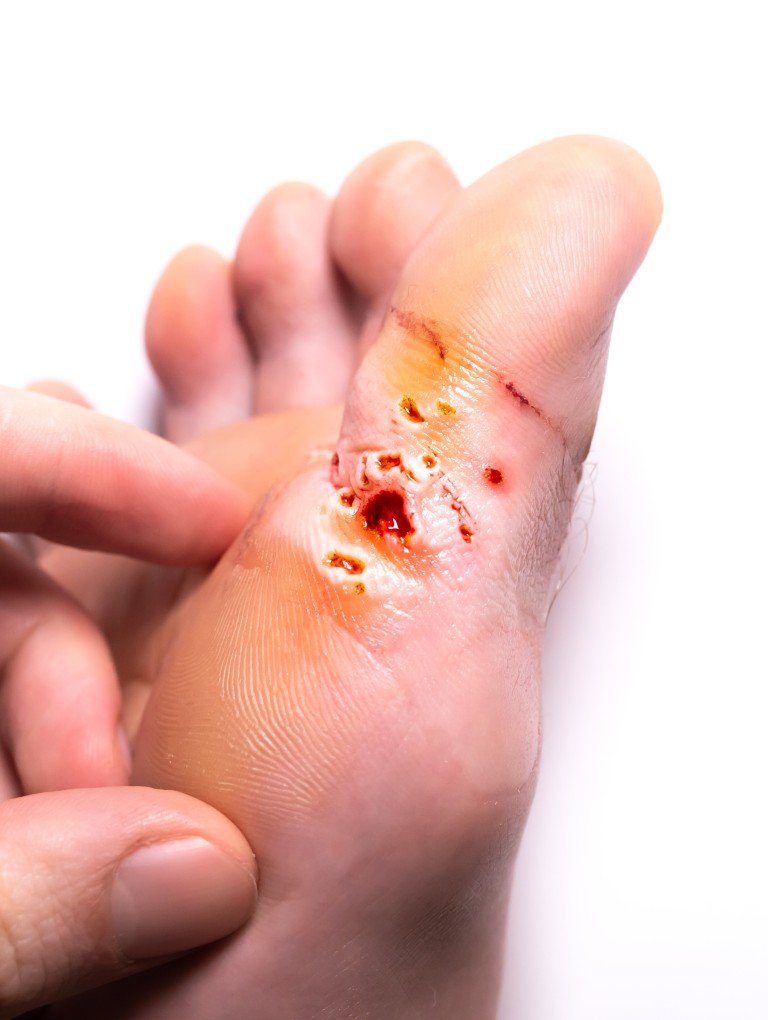
Clinical Assessment and Wound Classification
At Apta Clinic, every patient undergoes a comprehensive evaluation including:
- Detailed history (duration of diabetes, glycemic control, comorbidities)
- Neurological examination (monofilament testing)
- Vascular assessment (Doppler studies if required)
- Wound assessment using standardized grading systems
Wounds are evaluated for:
- Depth and size
- Presence of infection
- Presence of necrotic tissue
- Signs of ischemia
This assessment determines the treatment pathway.
Glycemic Control: The Foundation of Healing
Effective wound healing is impossible without strict glycemic control. Elevated blood sugar levels impair leukocyte function and delay tissue repair.
At Apta Clinic:
- Blood glucose is optimized in coordination with diabetologists
- HbA1c levels are monitored regularly
- Dietary and lifestyle guidance is reinforced
Advanced Diabetic Wound Management Protocol- At APTA, you will find the best board certified Plastic Surgeon and Dermatologist. Dr. B Akshata Kamath, at APTA heads a strong teams which will help you to have the best treatment with best care.
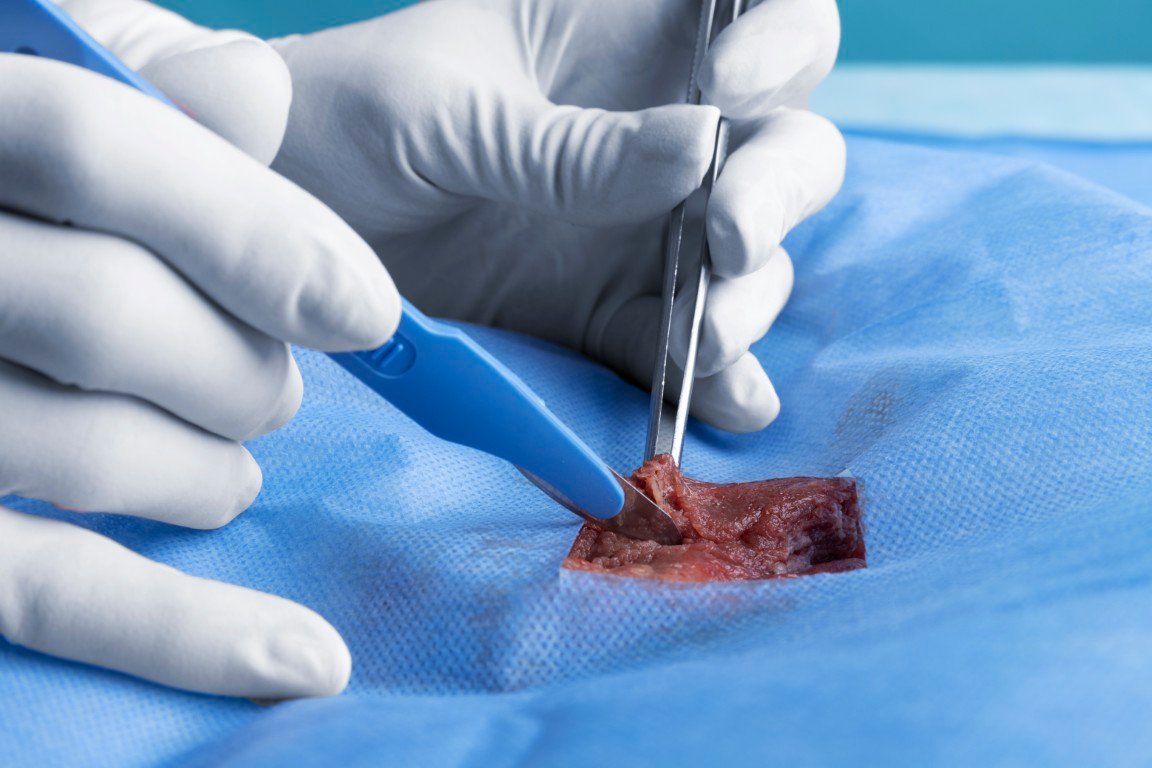
Wound Debridement
Debridement is the cornerstone of chronic wound management. It involves removal of necrotic, devitalized, or infected tissue to promote healing.
Methods include:
- Surgical debridement (gold standard in infected or deep wounds)
- Sharp debridement using sterile instruments
- Autolytic debridement using moisture-retentive dressings
- Enzymatic debridement in selected cases
Debridement converts a chronic wound into an acute, healing wound by stimulating the inflammatory phase.
Infection Control and Antibiotic Therapy
Infected diabetic wounds require prompt and aggressive treatment:
- Wound swabs or tissue cultures guide antibiotic selection
- Broad-spectrum antibiotics are initiated in severe infections and later tailored
- Topical antimicrobial dressings help reduce local bioburden
- Monitoring for systemic signs of infection is critical
Early identification of infection prevents complications such as sepsis and osteomyelitis.

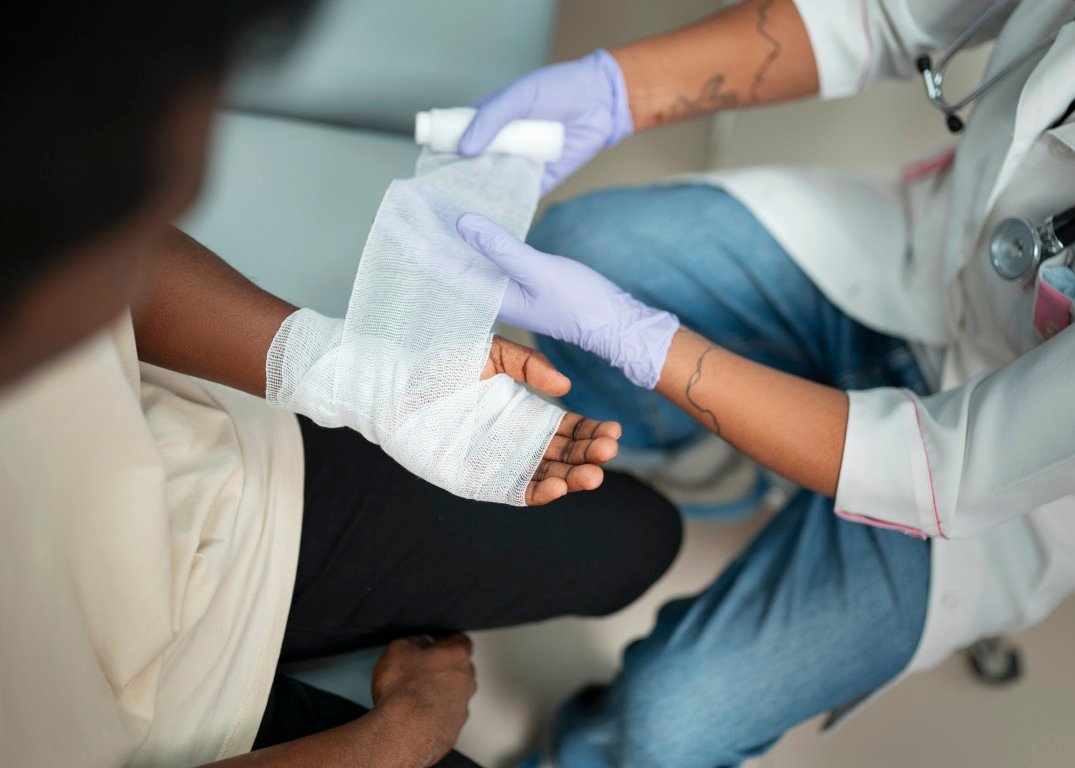
Advanced Wound Dressings
A moist wound environment is essential for healing. Dressing selection depends on wound characteristics:
- Hydrocolloid dressings – for superficial wounds with minimal exudate
- Foam dressings – for moderate to heavy exudate
- Alginate dressings – for heavily exuding wounds
- Antimicrobial dressings – to control infection
These dressings maintain hydration, reduce bacterial load, and promote epithelial migration.
Offloading and Pressure Redistribution
Mechanical pressure is a major cause of ulcer persistence, especially in foot ulcers.
Management includes:
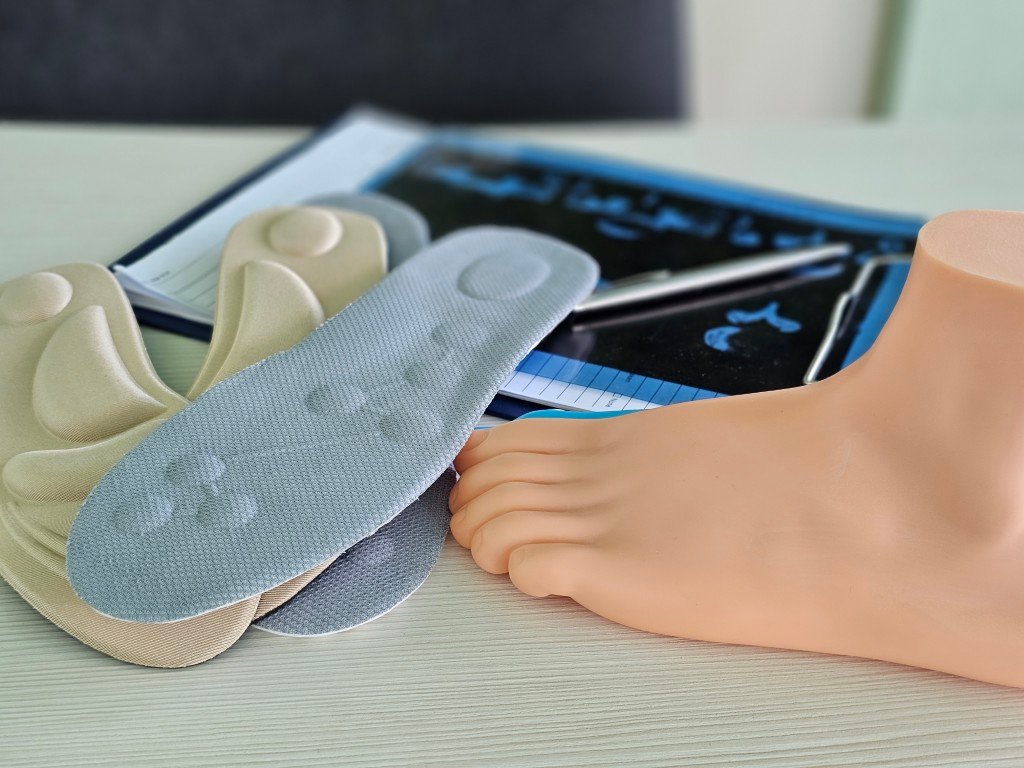
- Customized footwear
- Orthotic devices
- Total contact casting (in selected patients)
- Avoidance of weight-bearing on affected areas
Offloading is essential for uninterrupted healing.
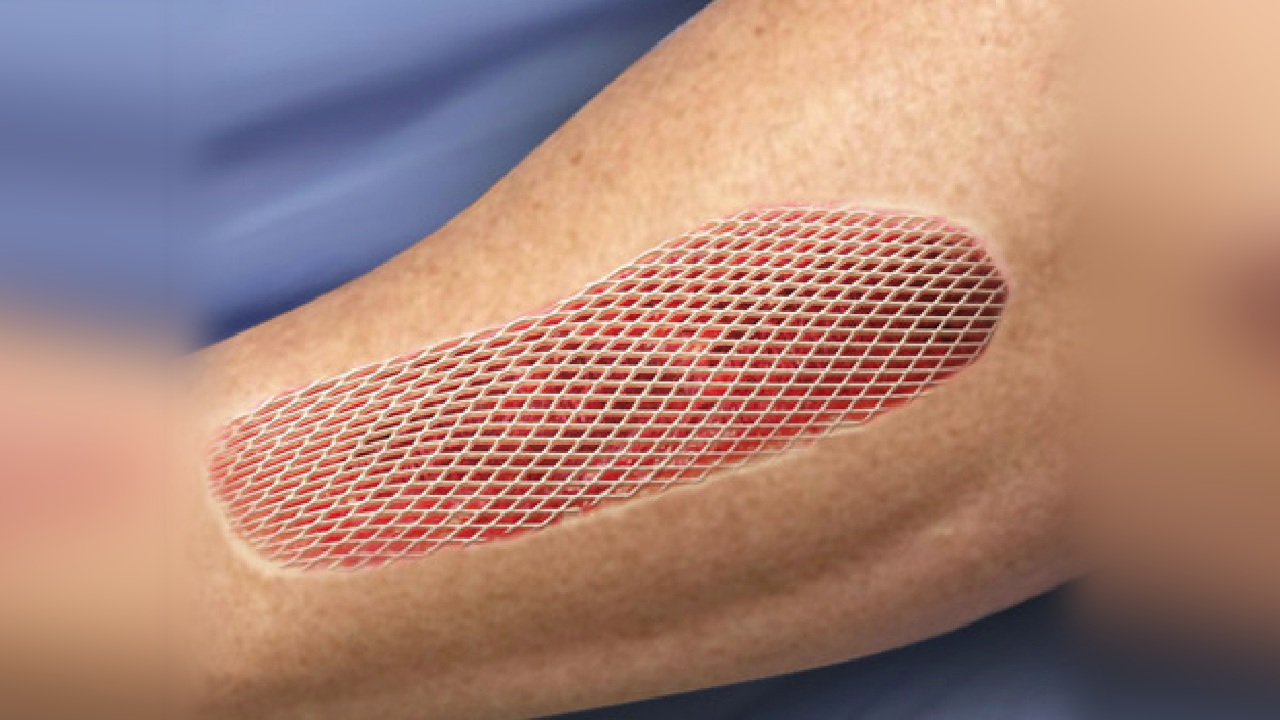
Surgical Management and Reconstruction
When conservative measures fail, plastic surgical intervention is necessary:
- Skin grafting (split-thickness grafts)
- Local or regional flap coverage
- Debridement with reconstruction
These procedures restore tissue integrity and prevent further complications.
Surgical expertise is critical to ensure functional and aesthetic outcomes.
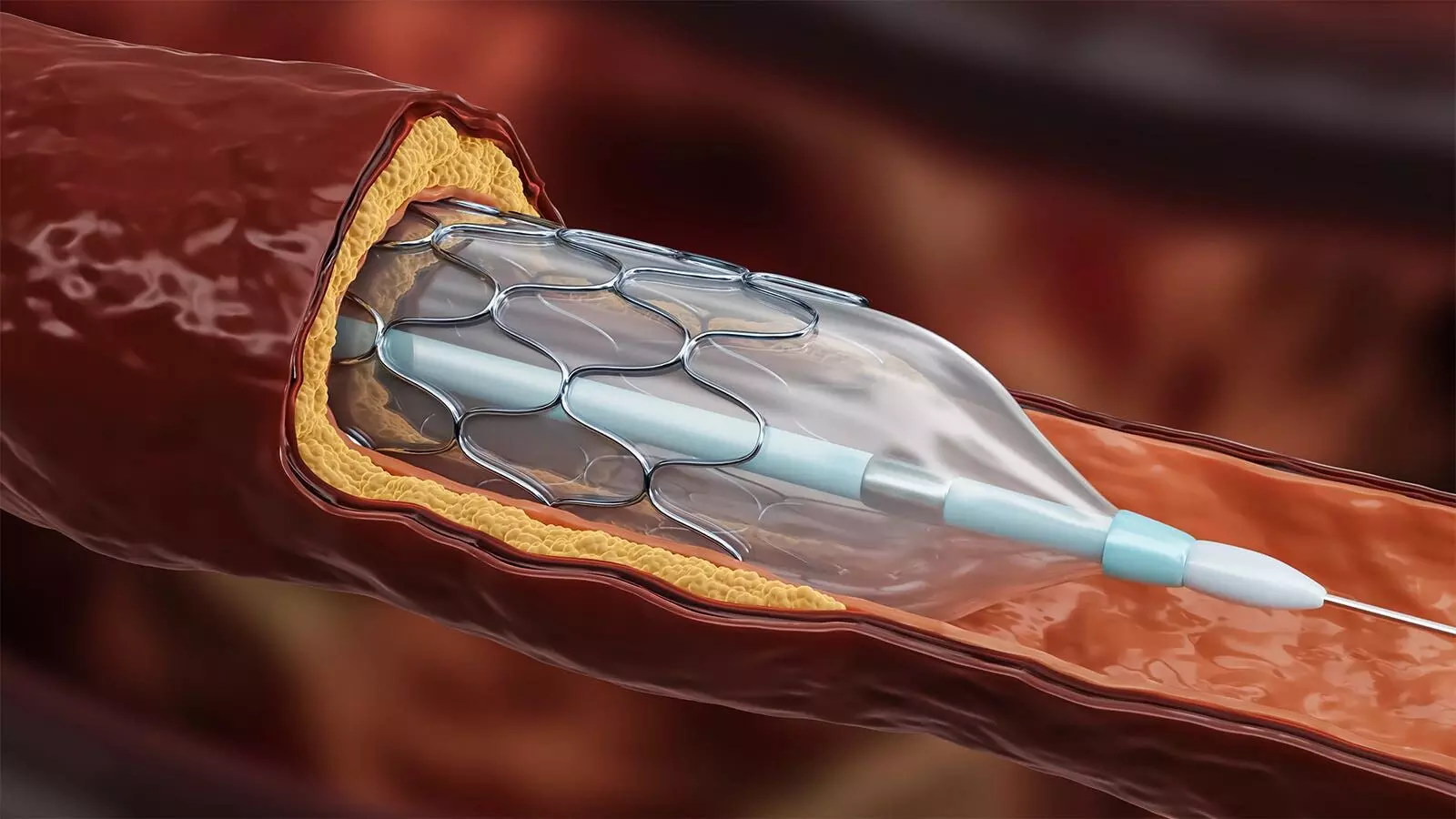
Vascular Assessment and Revascularization
Poor blood flow significantly impairs healing. Patients with vascular insufficiency may require:
- Vascular imaging
- Referral for angioplasty or bypass procedures
Restoring blood supply is crucial in non-healing ischemic wounds.
Advanced Therapies
Negative Pressure Wound Therapy (NPWT)
NPWT uses controlled suction to:
- Remove exudate
- Reduce edema
- Promote granulation tissue formation
- Improve perfusion
It is highly effective in large or complex wounds.
Platelet-Rich Plasma (PRP) Therapy
PRP contains growth factors that stimulate:
- Tissue regeneration
- Angiogenesis
- Collagen formation
It is used as an adjunct in chronic non-healing wounds.
Skin Substitutes and Bioengineered Products
In selected cases, advanced skin substitutes may be used to accelerate closure of chronic wounds.
Patient Education and Preventive Care
Education is a key component of diabetic wound management:
- Daily inspection of feet
- Proper hygiene and moisturization
- Wearing protective footwear
- Avoiding barefoot walking
- Prompt attention to minor injuries
Prevention is the most effective strategy to reduce recurrence and complications.

Multidisciplinary Approach at Apta Clinic
Effective diabetic wound care requires collaboration:
- Dermatology for skin and wound care
- Plastic surgery for reconstruction
- Diabetology for metabolic control
- Vascular specialists for circulation issues
At Apta Clinic, this integrated approach ensures comprehensive care under one roof.
Expert foot care- At APTA Clinic, Mysore.
Frequently Asked Questions (FAQ)
Yes, many wounds can heal with appropriate and timely treatment. However, chronic wounds require consistent care and monitoring.
Healing depends on severity, infection status, blood sugar control, and patient compliance. It can range from weeks to several months.
Seek immediate care if you notice:
- Persistent wounds
- Discharge or foul odor
- Swelling or redness
- Black or necrotic tissue
No. With advanced wound care and early intervention, limb salvage is often possible.
Strict glycemic control is essential. High blood sugar delays healing and increases infection risk.
Not always. Treatment is individualized. Advanced therapies are used in non-healing or complex wounds.
“Saving Limbs, Restoring Lives.”
Conclusion
Diabetic wound management demands early diagnosis, structured treatment, and continuous monitoring. At Apta Clinic, Mysore, under the expert care of Dr. B. Akshata Kamath, patients receive advanced, evidence-based, and compassionate treatment aimed at healing wounds, preventing complications, and preserving quality of life. Timely intervention, strict glycemic control, and multidisciplinary care are the pillars of successful outcomes in diabetic wound management. At APTA Dermatologists, Plastic surgeon and Dieticians all work under one roof to provide you hassle free consultation and treatment.