
Can Tight Ponytails Cause Hair Loss? Traction Alopecia
- Home
- Blog
- About Us
A tight ponytail may seem harmless, but wearing hairstyles that repeatedly pull on the scalp can damage hair follicles over time. This type of hair loss is called traction alopecia. It often affects the hairline and temples, although other areas can be affected depending on where the tension occurs.
The good news is that early traction alopecia may improve when the pulling stops. If the tension continues for a long time and causes scarring, however, hair loss can become permanent. Recognising the early signs and changing damaging styling habits can help protect your hair.
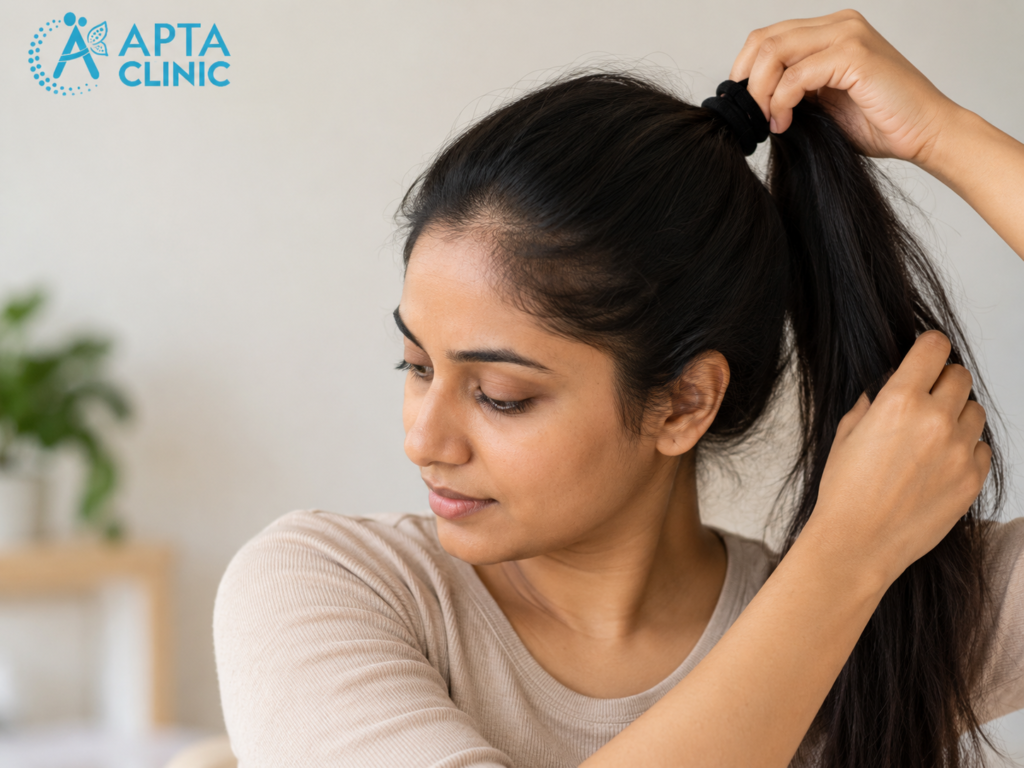
Can a Tight Ponytail Really Cause Hair Loss?
Yes. Regularly wearing a ponytail that pulls tightly on the roots can contribute to hair loss. The same risk applies to tight braids, buns, extensions and other hairstyles that place repeated tension on the hair follicles.
Occasionally wearing your hair up does not automatically mean you will develop traction alopecia. The concern is repeated or prolonged pulling, particularly when a hairstyle causes pain, tenderness or irritation.
If your ponytail feels uncomfortable or pulls your scalp when you move your head, loosen it. Discomfort is a useful warning that the style may be putting too much tension on your hair.
What Is Traction Alopecia?
Traction alopecia is a form of hair loss caused by repeated tension on hair follicles. The pulling can gradually damage follicles, particularly around the edges of the scalp where hairstyles often create the most tension.
It can affect people of any gender and may occur at different ages. Risk depends partly on hairstyling practices and how frequently the hair is pulled tightly.
Traction alopecia can initially cause thinning without permanent scarring. If the pulling continues and follicles become permanently damaged, hair may no longer grow back in the affected areas.
Early Signs of Hair Loss Caused by Tight Hairstyles
Changes can develop gradually, so it helps to pay attention to the areas where your hairstyle pulls most strongly.
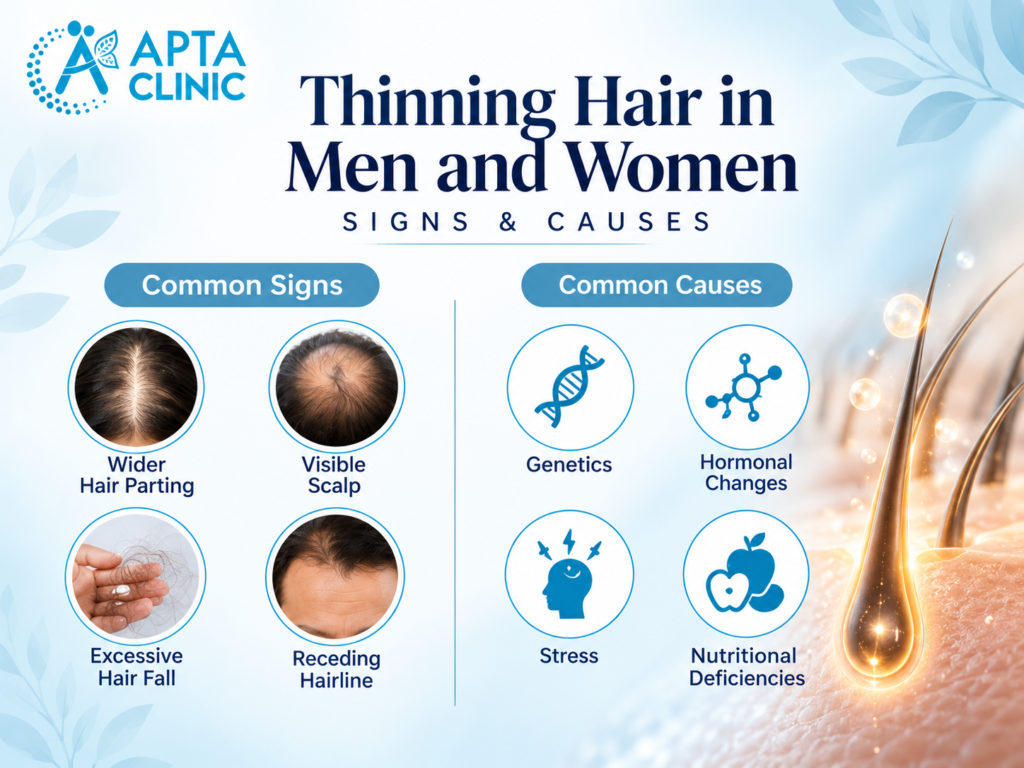
- A receding or thinning hairline
You may notice that the hair around your forehead or temples looks thinner than before. The change can be more noticeable where your ponytail, bun or braids pull the hair backwards.
- Broken hairs around the forehead
Short, broken hairs near the hairline may appear before you notice more obvious thinning. Repeated tension can weaken hair and contribute to breakage.
- Scalp pain or tenderness
A hairstyle that causes persistent pulling, soreness or headaches may be too tight. Pain does not confirm traction alopecia, but it is a reason to loosen the style.
- Redness, bumps or irritation
Some people develop redness, small bumps or crusting in areas under repeated tension. These symptoms deserve attention, especially when they occur alongside thinning.
- Patches of hair loss
Hair may become sparse in areas repeatedly pulled by a particular hairstyle. Smooth or shiny-looking areas can be a concerning sign of more advanced damage and should be assessed by a dermatologist.
These signs do not establish a diagnosis on their own. Other conditions can also cause hairline changes or hair loss, so persistent symptoms should be evaluated.
Which Hairstyles Can Increase the Risk?
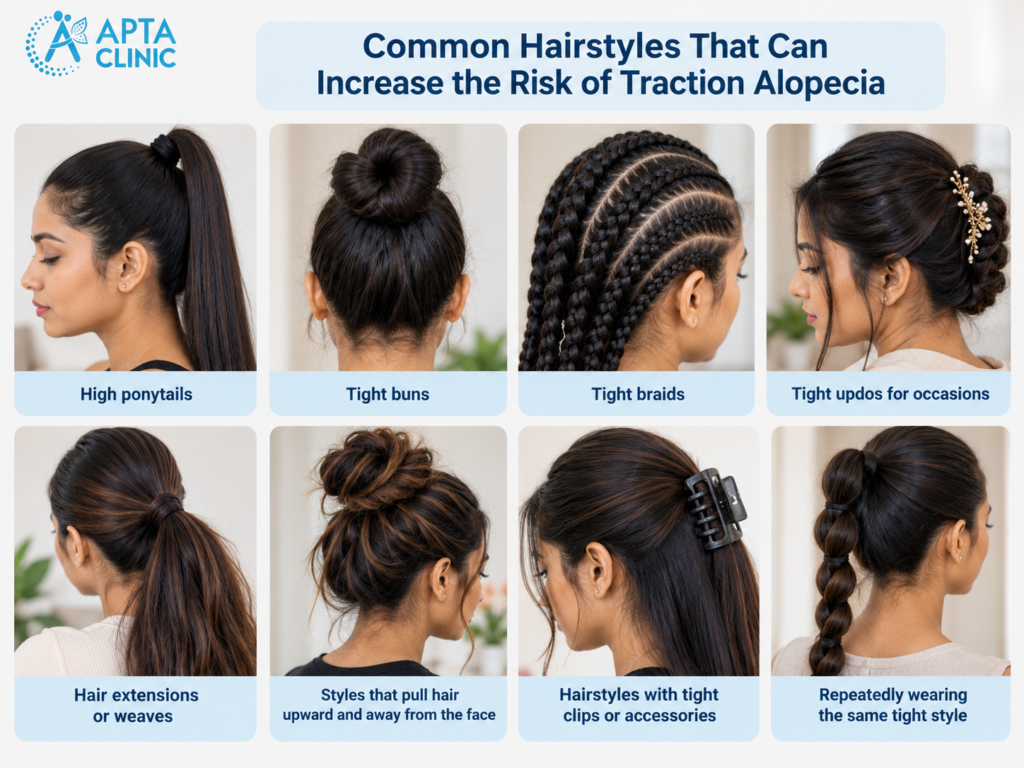
Any hairstyle that repeatedly pulls on the hair can contribute to traction alopecia. Examples include:
- Tight ponytails and high buns
- Tightly braided hairstyles
- Hair extensions or weaves that add weight or tension
- Styles that pull the hair firmly away from the face
- Repeatedly wearing hairstyles that place pressure on the same areas
The way a style is worn matters as much as its name. A loose ponytail may create little tension, while a tightly secured one can pull continuously on the follicles.
Hair accessories, extensions and styling practices that add weight or increase pulling may also contribute. If a style hurts, feels excessively tight or causes scalp irritation, change it instead of trying to tolerate the discomfort.
Can Traction Alopecia Be Reversed?
Sometimes. When traction alopecia is recognised early, reducing the pulling may allow hair to recover. The outcome depends on the extent of follicle damage and how long the tension has continued.
If prolonged pulling has caused scarring, the affected follicles may be permanently damaged. Hair may not regrow in those areas without further medical assessment.
There is no single treatment that is appropriate for everyone. A dermatologist can examine the scalp, assess the pattern of hair loss and determine whether another condition may be contributing.
Do not start hair-growth medication or supplements simply because you suspect traction alopecia. Treatment should be based on an appropriate assessment, particularly if the scalp is inflamed or the diagnosis is uncertain.
How to Prevent Hair Loss From Tight Hairstyles
Small changes to your routine can reduce unnecessary tension on the scalp.
Choose looser hairstyles. Secure ponytails and buns without pulling the hair tightly against the scalp. If a style causes pain, loosen or remove it.
Change your hairstyle regularly. Repeatedly pulling the same area can place ongoing stress on the same follicles. Alternate between styles that do not create tension.
Be careful with extensions. Added weight can increase pulling. Avoid installations that feel tight or cause discomfort, and remove or adjust them if irritation develops.
Handle your hair gently. Avoid forceful brushing, tugging and styling practices that repeatedly stress fragile hair.
Watch for early changes. Check the hairline and temples periodically for thinning, broken hairs or irritation. If you notice changes, reduce the tension immediately.
Do not ignore persistent symptoms. If thinning continues despite changing your hairstyle, seek a medical assessment instead of assuming the style is the only cause.
These measures can reduce ongoing traction, but they cannot guarantee that existing hair loss will reverse.
When Should You See a Dermatologist?
Consider a dermatology consultation if you notice:
- Gradual thinning around the hairline or temples
- Broken hairs or patches of hair loss in areas under tension
- Persistent scalp pain, redness, bumps or crusting
- Hair loss that continues after you stop wearing tight hairstyles
- Smooth or shiny areas where hair appears to have stopped growing
Seek prompt medical evaluation if hair loss develops rapidly, appears in sudden patches or occurs with significant inflammation, sores or pain.
A dermatologist can review your hair-care habits, medical history and symptoms, then examine the scalp. Depending on the findings, further evaluation may be needed to distinguish traction alopecia from other causes of hair loss.
Can Tight Ponytails Cause Hair Loss? Traction Alopecia
Hair follicles are small structures within the scalp that produce individual hair strands. When hair is repeatedly pulled in the same direction, the follicles experience mechanical stress. Over time, this repeated tension can affect their ability to produce healthy hair.
The problem is not limited to the moment when a hairstyle is created. A tightly secured ponytail may continue pulling on the roots for several hours. Repeating this routine day after day gives the affected areas little opportunity to recover from the mechanical stress.
In the early stages, the changes may be subtle. You might notice shorter hairs, reduced density or mild irritation rather than an obvious bald patch. Continuing the same hairstyle despite these changes can increase the risk of more extensive follicular damage.
Why the Location of Hair Loss Can Reveal the Cause
The distribution of hair loss can provide useful clues about whether repeated hairstyling tension is involved. For example, high ponytails frequently pull on the frontal and temporal hairline, whereas tightly secured buns may create tension around other parts of the scalp.
People who regularly wear tightly braided hairstyles may notice thinning along the edges or between areas of repeated pulling. The location often corresponds to where the hair has experienced the greatest mechanical stress.
However, the pattern alone cannot confirm traction alopecia. Hereditary hair loss and certain inflammatory conditions can also affect the hairline or temples. A dermatologist considers the appearance of the scalp together with the person’s hairstyling history.
What Is the Fringe Sign in Traction Alopecia?
The fringe sign is a clinical feature that dermatologists may look for when assessing certain patterns of traction alopecia. It refers to a narrow line of finer hairs that remains along the front or side margins of an area affected by hair loss.
Its presence can help distinguish traction-related hair loss from some other forms of alopecia. The remaining hairs may appear shorter or finer than the surrounding hair, while the area immediately behind them shows reduced density.
Not everyone with traction alopecia will have a noticeable fringe sign. It is one finding among several that a dermatologist may consider during an examination, rather than a feature that patients should use to diagnose themselves.
Can Work and Sports Increase the Risk of Traction Alopecia?
Some occupations and sporting activities require people to keep their hair firmly secured for long periods. Dancers, athletes, military personnel and individuals working in settings where hair must be controlled may regularly wear tightly pulled-back styles.
The concern can increase when a person has little flexibility to change hairstyles during working hours. A tight bun or ponytail worn throughout a long shift may place prolonged pressure on the same areas of the scalp.
Practical adjustments may help. Using a secure but comfortable style, changing the position of the ponytail where possible and avoiding unnecessarily tight fastening can reduce repeated pulling without interfering with work or activity requirements.
Hair and Scalp Consultation at APTA Clinic, Mysore
Hair loss around the hairline can have several causes. Repeated tension from hairstyles is one possibility, but pattern hair loss, inflammatory scalp conditions and other factors can produce overlapping symptoms.
APTA Clinic provides trichology services for hair and scalp concerns in Mysore. If you are experiencing persistent thinning, a receding hairline or scalp changes, you can contact the clinic to ask about an appropriate consultation.
APTA Clinic contact details
- Phone: +91 7411 707 555
- Locations listed by the clinic: Krishnamurthy Puram and Vijayanagar, Mysore
- Published working hours: Monday to Sunday, 10:30 AM–7:30 PM
Call the clinic to confirm availability and appointment details before visiting.
Frequently Asked Questions (FAQs)
It can contribute to traction alopecia if the ponytail is consistently tight and places repeated tension on the hair follicles. A loose hairstyle that does not pull on the scalp creates less traction.
No. Traction alopecia can affect men, women and children. Risk depends on repeated tension from hairstyles or other practices that pull on the hair.
Thinning or broken hairs around areas under tension may suggest traction-related damage. However, a receding hairline can have other causes. A dermatologist can assess the pattern and your hair-care history.
Hair may regrow if the damage is recognised early and the follicles remain capable of producing hair. Long-standing traction that causes scarring can lead to permanent hair loss.
Yes. Tight braids, buns, ponytails and extensions can all create repeated tension. The risk depends on how tightly the hair is pulled, how long the tension continues and how frequently the style is worn.
Seek an assessment if you notice persistent thinning, broken hairs, scalp irritation or patches of hair loss. Early evaluation is particularly important if the affected skin appears smooth or shiny.
APTA Clinic lists trichology services for hair and scalp concerns in Mysore. You can call +91 7411 707 555 to ask about consultation availability.