
How to Prepare for Plastic Surgery: A Patient’s Pre-Surgery Checklist
- Home
- Blog
- About Us
Preparing for plastic surgery involves more than arranging the procedure. You need to discuss your health with your surgeon, understand the instructions for your specific operation and plan for the recovery period.
If you are considering plastic surgery in Mysore, use this checklist to organise your questions and practical arrangements before surgery. Your surgeon’s instructions should always take priority because preparation varies according to the procedure, anaesthesia and your medical history.

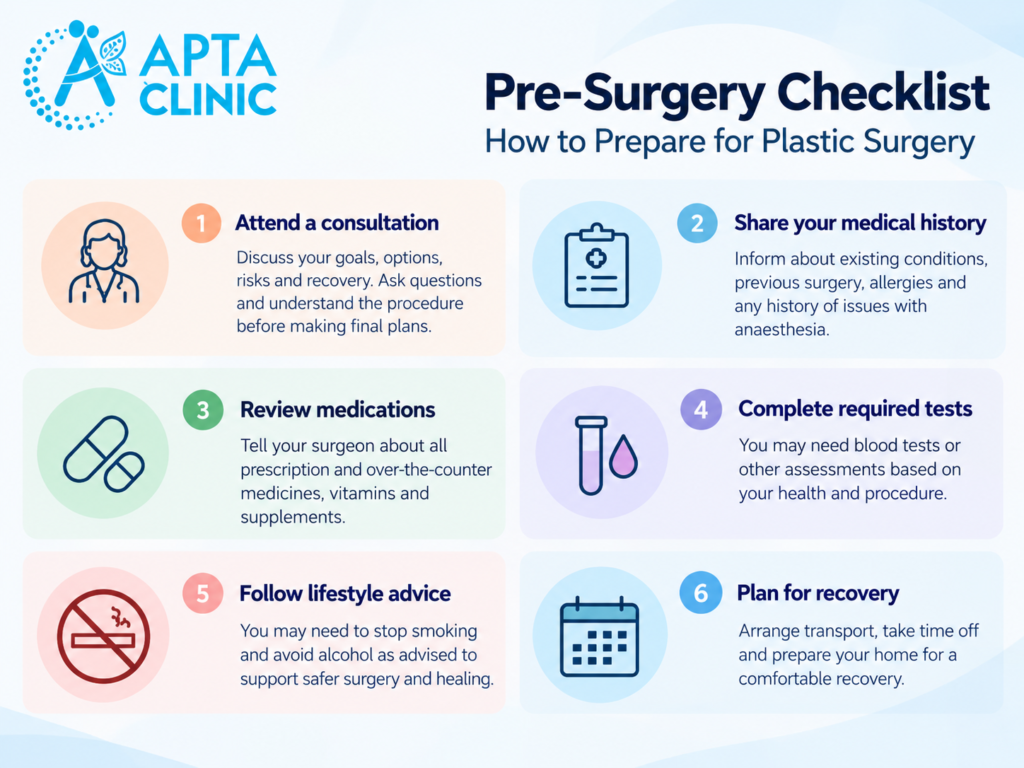
Attend a Consultation Before Making Final Plans
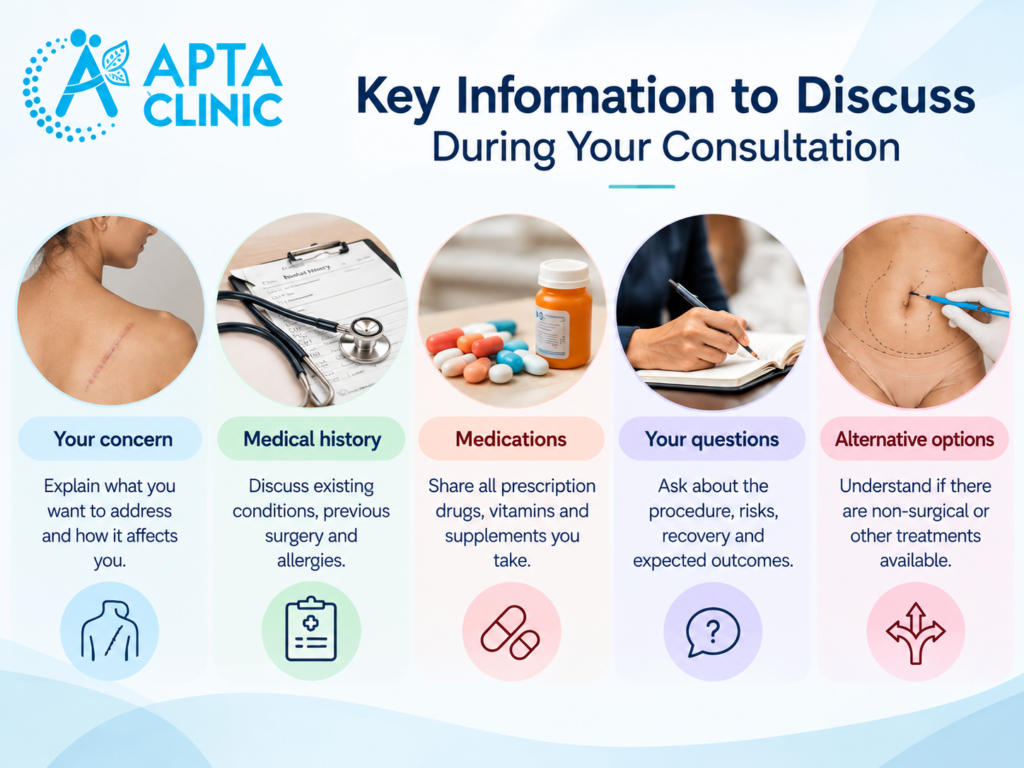
Your preparation begins with a consultation. This is the time to explain your concern, discuss what you hope to achieve and find out whether surgery is appropriate.
Before your appointment, write down:
- The concern you want addressed
- Any previous surgery or treatment related to it
- Your relevant medical conditions
- Medicines, vitamins and supplements you take
- Known allergies and previous reactions to anaesthesia
- Questions about risks, recovery and expected outcomes
Ask the surgeon to explain the proposed procedure in terms you understand. You should know why it is being considered, what limitations it has and whether other options are available.
Do not finalise your plans until you understand the procedure, the arrangements required and the follow-up care involved.
Share Your Complete Medical History
Your surgical team needs accurate information to assess risk and plan care. Mention medical conditions even if they seem unrelated to the operation.
Tell the team about previous operations, wound-healing problems, bleeding disorders, allergies, smoking or tobacco use, and any history of complications with anaesthesia. Also report any new illness or change in your health before the scheduled procedure.
Your surgeon may request medical tests or an assessment from another clinician. Whether these are needed depends on your health and the operation being considered.
Do not assume that a procedure requires the same tests for every patient. Follow the plan given by your treating team.
Review Medicines, Vitamins and Supplements
Make a complete list of your prescribed medicines, non-prescription medicines, vitamins, herbal products and supplements. Bring the list to your consultation or share it with the clinical team as instructed.
Some products can affect bleeding, blood pressure or the response to anaesthesia. Your team will decide whether any changes are necessary.
Do not stop prescribed medication or change a dose on your own. Ask your surgeon or the clinician who prescribed the medicine for specific instructions.
If you take medicines for a long-term condition, clarify how they should be managed on the day of surgery and during recovery.
Follow the Instructions About Smoking, Alcohol and Other Substances
Tell your surgeon if you smoke, use tobacco or nicotine products, drink alcohol or use recreational substances. These details can affect surgical planning and recovery.
Smoking and nicotine can interfere with wound healing. Your surgeon may recommend stopping for a specified period before and after surgery, depending on the procedure and your circumstances.
Ask for clear instructions about alcohol and any other substances. Do not rely on a general timeline found online, because recommendations vary according to the operation, your health and the medicines involved.
Confirm Fasting and Other Instructions for the Day of Surgery
If your procedure involves anaesthesia or sedation, you may be given instructions about when to stop eating and drinking. The timing depends on the planned procedure and anaesthetic.
Confirm the following with your surgical team:
- When you must stop eating and drinking
- Which medicines you should take on the day
- When to arrive and where to check in
- What clothing or personal items to bring
- Whether you need to remove jewellery or avoid particular skin products
- Whether any special preparation is required for the treatment area
Do not guess about fasting times or follow instructions intended for another type of surgery. If anything is unclear, contact the team before the procedure.
Arrange Transport and Support at Home
Depending on the procedure and anaesthesia, you may not be able to drive yourself home or manage all daily activities immediately after surgery.
Before the operation, ask whether a responsible adult needs to accompany you or stay with you afterwards. Arrange transport in advance if your team advises it.
You may also want to prepare:
- A comfortable resting area
- Easy-to-prepare meals and drinking water
- Prescribed medicines and any recommended wound-care supplies
- Comfortable clothing that is easy to put on and remove
- Help with household tasks, childcare or other responsibilities if needed
Ask your surgeon how much assistance you are likely to need. The arrangements for a minor procedure may differ considerably from those for a more extensive operation.
Plan for Recovery and Follow-Up
Recovery is part of the treatment plan, not an afterthought. Before surgery, find out what you should expect during the first few days and how long restrictions may last.
Ask your surgeon about:
- Expected pain, swelling or bruising
- Wound care and dressing instructions
- Bathing and personal hygiene
- When you may return to work
- Restrictions on exercise, lifting and driving
- Follow-up appointments
- Whom to contact if you have a concern
Do not assume you can return to your normal routine within a fixed number of days. Recovery depends on the procedure and your individual healing.
Keep the clinic’s contact details accessible and make sure you know how to obtain help outside routine appointment hours if needed.
Understand the Risks, Costs and Expected Results
Before agreeing to surgery, make sure you understand the potential benefits, limitations and risks. Ask what the procedure can reasonably achieve in your case and what it cannot change.
Discuss the possibility of scarring, infection, bleeding, delayed healing or other procedure-specific complications. Your surgeon should explain the risks relevant to your health and proposed treatment.
Request a clear cost estimate. Ask whether it includes the surgeon’s fee, anaesthesia, facility charges, tests, medicines, dressings and follow-up visits. Additional expenses may apply, so confirm what is and is not included.
You should also know what happens if you need an additional review or develop a complication. Take time to consider the information before giving consent.
Your Pre-Surgery Checklist
Use this checklist to track your preparation. Complete each item only when it applies to your procedure and has been confirmed by your treating team.
- I have discussed my goals and treatment options with the surgeon.
- I have shared my medical history, allergies and previous surgical experiences.
- I have provided an up-to-date list of medicines and supplements.
- I understand any instructions about medicines, smoking and alcohol.
- I have completed the tests or assessments requested by my team.
- I have received clear instructions about eating, drinking and arrival time.
- I have arranged transport and support if required.
- I understand the expected recovery period and activity restrictions.
- I know how to care for the surgical area and when to attend follow-up.
- I have discussed risks, realistic results and the total estimated cost.
- I know whom to contact if my health changes or I have concerns.
If you cannot confirm an important item, contact the surgical team before proceeding.
When Should You Contact Your Surgical Team Before Surgery?
Tell your treating team promptly if you develop a new illness, fever, skin infection near the planned treatment area or another significant change in your health before the procedure.
Also contact them if you start a new medicine, have an unexpected reaction to a medicine or cannot follow the preparation instructions. The team can advise whether any changes to the plan are necessary.
After surgery, seek urgent medical care for severe breathing difficulty, chest pain, heavy bleeding, fainting or other potentially life-threatening symptoms. For other unexpected or worsening symptoms, follow the contact instructions given by your surgical team.
Preparing for Plastic Surgery at APTA Clinic, Mysore
APTA Clinic lists plastic surgery among its services and identifies Dr. Akshata Kamath as a Plastic & Reconstructive Surgeon. If you are considering a procedure, contact the clinic to confirm whether it is currently offered and ask about consultation arrangements.
Use your consultation to discuss your medical history, the procedure being considered, preparation instructions, risks, recovery and costs. The appropriate plan depends on an individual assessment.
Arrange Help for the First Few Days
Having a trusted person available after surgery can make recovery easier, particularly if you receive general anaesthesia or sedation.
Depending on your procedure and discharge instructions, you may need someone to take you home, stay with you for a specified period, help with meals, or assist with basic daily activities.
Before surgery, discuss the following with your care team:
Whether a responsible adult must accompany you home.
Whether someone needs to stay with you overnight.
How long you should avoid driving.
Whether you will need help with children, older family members, pets, or household responsibilities.
When you can safely return to work and routine activities.
Do not assume that you will be able to manage everything independently immediately after surgery. Planning support in advance can reduce unnecessary physical strain and allow you to concentrate on following your recovery instructions.
Plan Your Time Away From Work and Daily Responsibilities
Recovery time varies considerably depending on the procedure, your general health, the type of anaesthesia used, and whether complications occur. A procedure involving a small treatment area may require a different recovery plan from a more extensive operation.
Before confirming your surgery date, discuss your expected recovery period with your surgeon. Consider your job responsibilities, commute, household duties, and the physical demands of your normal routine.
If your work involves heavy lifting, prolonged standing, frequent travel, or strenuous activity, ask whether you will need additional time away from those duties.
You may also want to:
Inform your employer about the leave you need, while sharing only the personal information you are comfortable disclosing.
Reschedule demanding appointments or travel where appropriate.
Arrange help with household tasks.
Confirm when you can resume exercise and other physical activities.
Avoid relying on another person’s recovery timeline to estimate your own. Your surgeon should guide your return to work and normal activities based on your procedure and progress.
Understand Fasting and Hydration Instructions
Some surgical procedures require you to stop eating or drinking for a specified period before anaesthesia. However, fasting requirements are not identical for every patient or procedure.
Your surgical and anaesthesia team should give you specific instructions about when to stop eating, which drinks are permitted, and whether essential medicines may be taken with a small amount of water.
Follow those instructions carefully. Do not choose your own fasting schedule or assume that drinking water is always permitted until a particular time.
If you accidentally eat or drink outside the instructed period, inform your surgical team before the procedure. Do not conceal the information or make your own decision about whether the operation can proceed.
If you have diabetes, take medicines that affect blood sugar, or have another condition that influences food and fluid intake, ask for individualised instructions. These details can help your care team plan your preparation safely.
Preparing for Plastic Surgery at APTA Clinic, Mysore
APTA Clinic lists plastic surgery among its services and identifies Dr. Akshata Kamath as a Plastic & Reconstructive Surgeon. If you are considering a procedure, contact the clinic to confirm whether it is currently offered and ask about consultation arrangements.
Use your consultation to discuss your medical history, the procedure being considered, preparation instructions, risks, recovery and costs. The appropriate plan depends on an individual assessment.
Contact APTA Clinic
- Phone: +91 7411 707 555
- Address: No. 1226/3B, Krishnaraja Boulevard Road, Krishnamurthy Puram, Mysuru, Karnataka 570004
- Website: APTA Clinic Contact Page
Contact the clinic directly to confirm the current appointment availability, consultation fee, address and any procedure-specific instructions.
Frequently Asked Questions (FAQs)
Bring a list of your medicines and supplements, details of medical conditions and allergies, relevant medical records and information about previous operations or treatments. Write down your questions about risks, recovery and cost.
Not without medical advice. Some medicines may need adjustment, while others should continue. Your surgeon and prescribing clinician should tell you what to do.
Some patients need tests or further medical assessment; others may not. Requirements depend on your medical history, the procedure and the planned anaesthesia. Follow the instructions given by your treating team.
You may receive fasting instructions if your procedure involves anaesthesia or sedation. The exact timing varies, so follow the instructions provided for your operation rather than general online advice.
Smoking and nicotine can affect wound healing. Ask your surgeon when to stop and how long to avoid smoking or nicotine products before and after your procedure.
Arrange a comfortable resting space, easy access to essential items and help with daily tasks if needed. Your surgeon can advise whether you will require someone to stay with you.
The price depends on the procedure, its complexity, anaesthesia, facility charges, tests, medicines and follow-up. Ask the clinic for a current estimate that explains what is included.
Call +91 7411 707 555 or use the APTA Clinic contact page to enquire about appointments and preparation guidance.