
Poor Circulation in Feet Due to Diabetes: Symptoms, Causes and When to Seek Help in Mysore
- Home
- Blog
- About Us
Cold feet, pain while walking or a wound that takes longer than expected to heal can sometimes indicate a circulation problem. If you have diabetes, these changes deserve attention because reduced blood flow and nerve damage can make foot injuries more difficult to detect and treat.
One possible cause of poor circulation in the feet is peripheral artery disease (PAD). This condition develops when arteries supplying the legs and feet become narrowed, restricting the flow of blood. Diabetes also increases the risk of nerve damage, which can reduce sensation and allow injuries to go unnoticed.
Not everyone with diabetes who experiences cold feet has poor circulation. The symptoms can have several causes, and some people with significant circulation problems have few obvious warning signs.
Understanding what to look for can help you seek medical attention at the right time.
What Does Poor Circulation in the Feet Mean?
Blood carries oxygen and nutrients to the tissues throughout your body. Arteries transport oxygen-rich blood from the heart to the legs, feet and toes.
When blood flow becomes restricted, the tissues may receive less oxygen and fewer nutrients. Depending on the severity of the problem, you may experience discomfort during physical activity, changes in skin appearance or wounds that heal slowly.
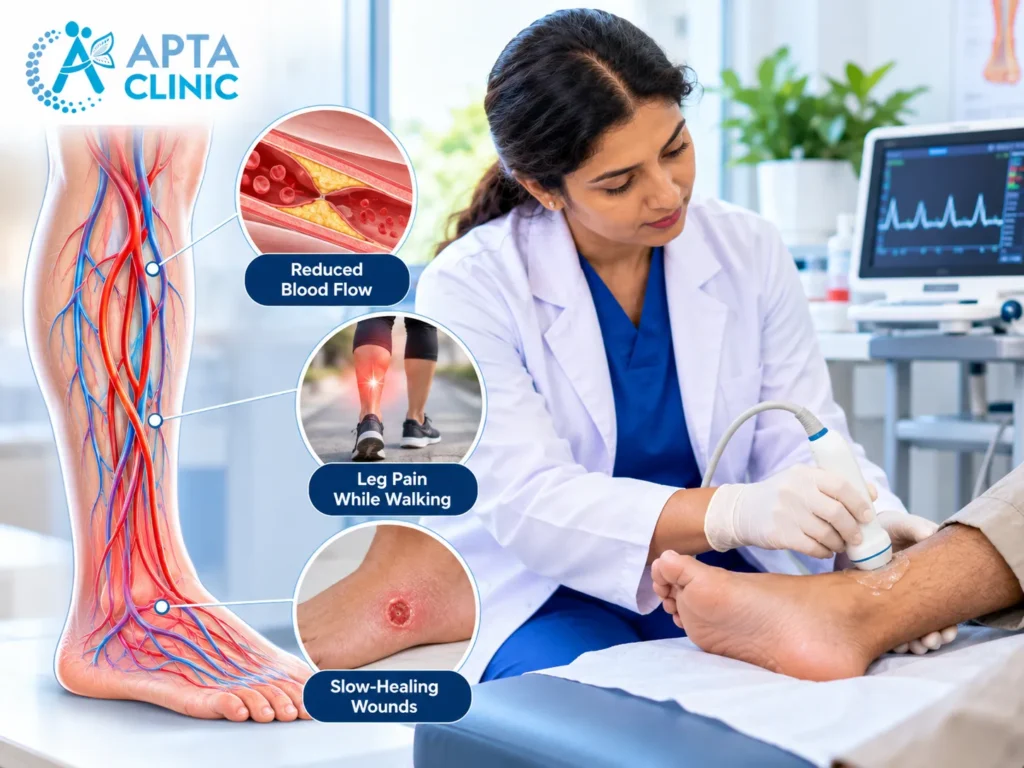
A common cause is peripheral artery disease, in which fatty deposits build up inside arteries and reduce the space available for blood to flow.
People with diabetes have an increased risk of vascular disease. However, cold feet, pain or skin changes do not automatically mean that PAD is present. A clinical assessment is needed to identify the cause.
Why Does Diabetes Cause Poor Circulation in the Feet?
Several factors can contribute to circulation problems in people with diabetes. They often involve damage to blood vessels and other cardiovascular risk factors.
- Damage to Blood Vessels Over Time
Blood glucose levels that remain above an individual’s target range can contribute to blood vessel damage and increase cardiovascular risk.
Fatty deposits may gradually accumulate inside the arteries, causing them to narrow. When this affects the vessels supplying the legs and feet, blood flow can become restricted.
The resulting condition may be peripheral artery disease. Its severity and symptoms vary from person to person.
- Peripheral Artery Disease
Peripheral artery disease is an important cause of reduced blood flow to the lower limbs.
Some people experience aching or cramping in their calves, thighs or buttocks while walking. The discomfort may settle after resting and return when they start walking again.
Others have no obvious symptoms, especially in the early stages. Diabetes-related nerve damage can also reduce pain sensation, making circulation problems harder to recognise.
If you notice recurring leg pain during activity, changes in your feet or a wound that is not healing, seek medical advice rather than assuming the symptoms are part of diabetes.
- High Blood Pressure and Cholesterol
High blood pressure and unhealthy cholesterol levels can contribute to vascular disease. These conditions may increase the risk of arteries becoming narrowed over time.
Managing blood pressure, cholesterol and blood glucose with professional guidance is an important part of diabetes care.
- Smoking
Smoking damages blood vessels and increases the risk of peripheral artery disease. It can also affect the body’s ability to deliver oxygen to tissues.
If you smoke, speak with a healthcare professional about support and treatment options to help you stop.
- Diabetic Neuropathy Alongside Circulation Problems
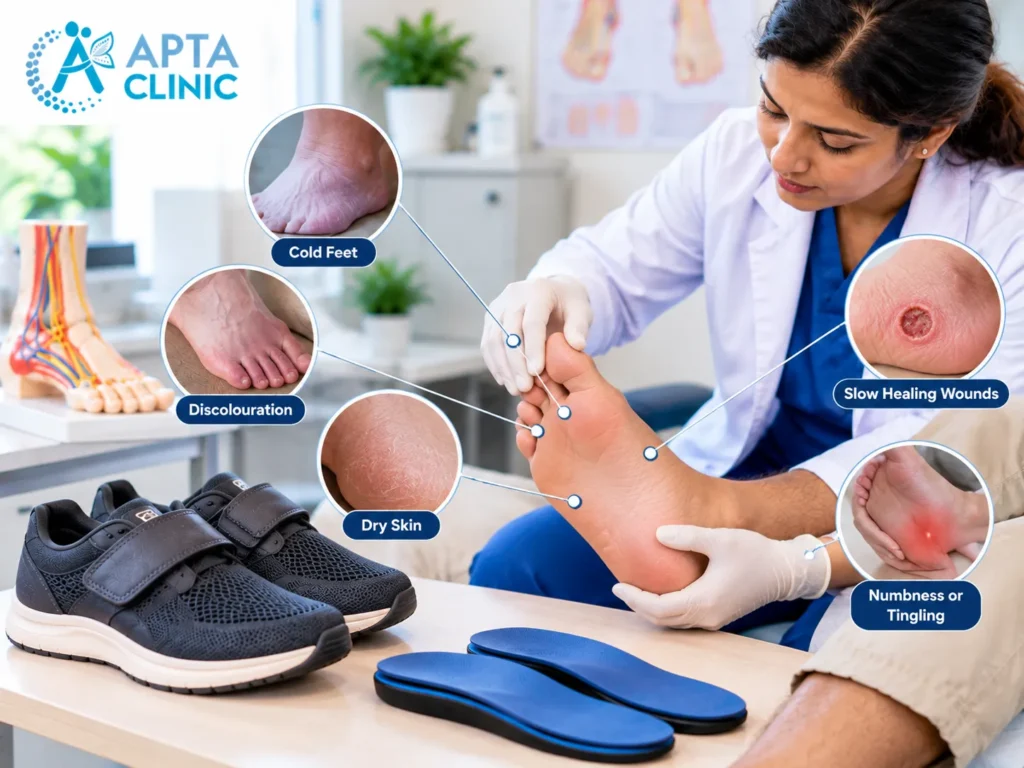
Diabetic neuropathy is nerve damage associated with diabetes. It does not necessarily mean that blood flow is reduced, but both conditions can occur together.
When nerve damage reduces sensation, you may not notice a blister, cut or pressure injury. If circulation is also impaired, the wound may heal slowly and become infected.
This combination makes regular foot inspections especially important.
What Are the Signs of Poor Circulation in Diabetic Feet?
Symptoms depend on the location and severity of the circulation problem. Some people notice changes while walking, while others develop symptoms at rest or have very few obvious signs.
Watch for the following changes.
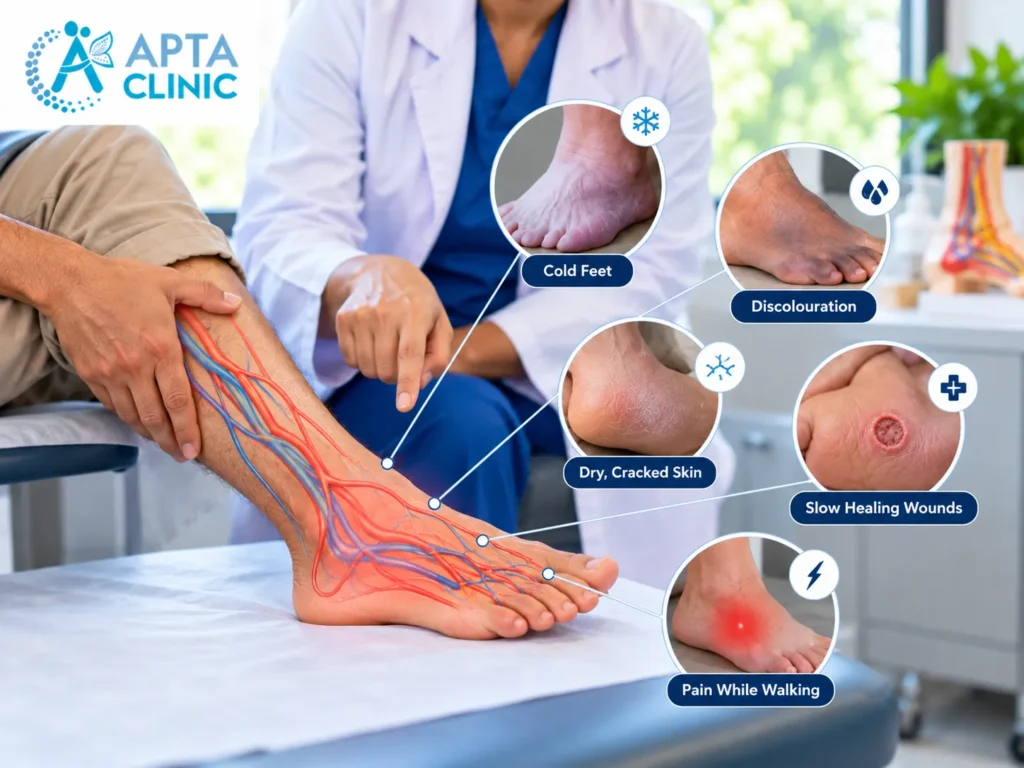
Cold Feet or Toes
Your feet may feel unusually cold compared with the other foot or the surrounding skin. Persistent coldness deserves attention, particularly when accompanied by skin colour changes, pain or wounds.
Cold feet alone do not confirm poor circulation. Environmental temperature and other health conditions can also contribute.
Changes in Skin Colour
Reduced blood flow can cause the skin on the feet or toes to look unusually pale, bluish or purplish. Other colour changes may also occur.
Pay attention to changes from your usual skin appearance, especially if they develop suddenly or affect one foot more than the other.
Leg Pain While Walking
Cramping or aching in the calves, thighs or buttocks during walking can be a sign of PAD. The discomfort may improve after resting and return when activity resumes.
Do not dismiss recurring pain during walking as a normal consequence of ageing or diabetes.
Wounds That Heal Slowly
Cuts, sores and ulcers may take longer to heal when the blood supply is inadequate.
A wound that remains open, becomes increasingly red or develops discharge needs medical attention. If you have diabetes, do not wait for a foot wound to become painful before seeking advice.
Changes in Skin Texture or Hair Growth
People with vascular disease may develop thin-looking or shiny skin. Hair growth over the toes and lower legs may also become sparse.
These changes are not diagnostic on their own, but they can be relevant when assessed alongside other symptoms.
Foot Pain at Rest
More advanced circulation problems can cause pain even when you are resting. It may become worse at night or when the legs are elevated.
Persistent rest pain, especially with skin changes or wounds, requires prompt medical assessment.
Not everyone with PAD experiences all these symptoms. Some people have significant circulation problems without obvious pain, particularly when neuropathy is also present.
What Is the Difference Between Poor Circulation and Diabetic Neuropathy?
Both conditions can affect foot health, but they involve different problems.
Feature | Poor circulation from PAD | Diabetic neuropathy |
Main problem | Reduced blood flow through arteries | Damage to peripheral nerves |
Possible symptoms | Leg pain during walking, coldness, skin colour changes and slow-healing wounds | Tingling, burning, numbness, pain or reduced sensation |
Effect on wounds | Inadequate blood supply can impair healing | Reduced sensation can allow injuries to go unnoticed |
Can both occur together? | Yes | Yes |
Symptoms can overlap. For example, a person with neuropathy may have reduced sensation and fail to notice the pain normally associated with an injury or circulation problem.
A healthcare professional can assess your circulation, sensation and skin condition to determine what further investigations may be needed.
Why Are Foot Wounds More Serious for People With Diabetes?
A small cut or blister may become a significant problem when reduced sensation and poor circulation are present.
Nerve damage can prevent you from noticing an injury. If blood flow is inadequate, the wound may not receive enough oxygen and nutrients to heal effectively. Bacteria can enter through damaged skin and cause an infection.
Possible complications include:
- Persistent or non-healing foot ulcers
- Skin and soft-tissue infections
- Tissue damage
- Gangrene in severe cases
- Limb-threatening complications
These outcomes are not inevitable. Early assessment and appropriate treatment can help address problems before they progress.
If you have diabetes and develop a new foot wound, seek medical advice promptly, even if it is painless. Do not wait several days to see whether it heals on its own.
How Is Poor Circulation in the Feet Diagnosed?
A healthcare professional will usually begin by reviewing your symptoms, medical history, diabetes management, smoking history and cardiovascular risk factors.
The assessment may include several tests, depending on the findings.
Physical Examination
The clinician may inspect your feet and legs for wounds, skin colour changes, swelling, temperature differences and other signs of vascular or foot problems.
Pulses in the feet may also be checked. However, feeling a pulse does not always rule out peripheral artery disease.
Ankle-Brachial Index
The ankle-brachial index (ABI) compares blood pressure measured at the ankle with blood pressure measured in the arm.
This test can help assess blood flow to the legs. In some people with diabetes, calcified arteries are difficult to compress, which can produce an unreliable or falsely high ABI result. Additional tests may be needed.
Toe Pressure and Doppler Ultrasound
Depending on your symptoms and examination findings, a clinician may recommend toe pressure measurements, Doppler ultrasound or other vascular investigations.
These tests help assess blood flow and determine whether further specialist evaluation is needed.
Not everyone requires every test. The appropriate investigation depends on the symptoms, clinical history and examination.
Assessment of Nerve Function and Wounds
If you have numbness, reduced sensation or a foot ulcer, the clinician may also assess nerve function, pressure points and wound characteristics.
This is important because neuropathy and circulation problems can occur together and may require different aspects of care.
What Treatments May Help With Poor Circulation in Diabetic Feet?
Treatment depends on the cause, the severity of reduced blood flow and whether wounds or other complications are present.
Manage Diabetes and Cardiovascular Risk Factors
Work with your healthcare professional to manage blood glucose, blood pressure and cholesterol according to your individual treatment plan.
Stopping smoking, following an appropriate eating plan and maintaining physical activity within your medical recommendations can also support cardiovascular health.
Do not start, stop or change prescribed medicines without medical advice.
Follow an Appropriate Activity Plan
For some people with PAD, a structured walking or exercise programme may form part of treatment.
However, activity must suit the person’s condition. If you have an active ulcer, severe foot pain, an infection or another significant foot problem, seek medical advice before starting or continuing an exercise programme.
Seek Vascular Assessment When Needed
If PAD is suspected or confirmed, your clinician may recommend assessment by a vascular specialist.
Depending on the findings, treatment may include medicines to reduce cardiovascular risk and, in selected cases, procedures to restore blood flow. The right approach depends on the severity of the disease and your overall health.
Get Wounds Assessed and Protect the Affected Area
A foot ulcer may require wound assessment, suitable dressings, pressure reduction and treatment for infection where necessary.
When circulation is impaired, the blood supply must be considered as part of the wound management plan. Compression therapy is not suitable for everyone and should only be used when a healthcare professional has assessed and recommended it.
Avoid trying to treat a persistent wound with unverified home remedies or unprescribed products.
How Can People With Diabetes Protect Their Feet?
Daily foot care can help you identify injuries early and reduce avoidable risks.
Inspect your feet every day. Check the soles, heels, toes and spaces between the toes for cuts, blisters, swelling, redness or unusual colour changes. Use a mirror or ask someone to help if you cannot see the soles clearly.
Wash and dry carefully. Use warm rather than hot water and dry your feet thoroughly, particularly between the toes.
Wear well-fitting footwear. Choose shoes that protect your feet, provide enough room for your toes and do not rub against the skin.
Avoid walking barefoot. Wear protective footwear indoors and outdoors to reduce the risk of cuts, burns and other injuries.
Protect your feet from heat. Avoid heating pads and hot-water bottles, especially if sensation is reduced.
Do not treat wounds or calluses yourself. Avoid cutting corns or calluses with sharp tools or applying strong chemical products without professional guidance.
Attend regular foot examinations. Ask your healthcare professional how often your feet and circulation should be checked based on your individual risk.
Follow your diabetes treatment plan. Manage blood glucose and cardiovascular risk factors with appropriate medical support.
If you cannot see the soles of your feet clearly, use a mirror or ask a family member or caregiver to help with daily inspection.
When Should You Seek Medical Help?
Knowing when to seek care can make a difference, particularly when reduced sensation makes injuries harder to recognise.
Arrange a Prompt Medical Assessment
Contact a healthcare professional if you notice:
- Persistent coldness or a change in foot temperature
- New skin colour changes
- Leg pain or cramping during walking
- Reduced sensation or unexplained foot discomfort
- A wound that is not healing
- Recurrent blisters or ulcers
- New swelling or other unexplained changes in your feet
When Is It an Emergency?
Seek urgent medical attention for a new foot wound, ulcer, spreading redness, discharge or other signs of infection, particularly if you have diabetes.
A foot or leg that suddenly becomes cold, pale or blue, especially with severe pain, numbness or weakness, may indicate an acute circulation emergency. Seek emergency care immediately.
Blackened skin, rapidly worsening swelling, fever or signs of a serious infection also require urgent assessment. Do not wait for a routine clinic appointment if these symptoms occur.
Diabetic Foot Care at APTA Clinic in Mysore
People with diabetes who experience foot wounds, reduced sensation or other foot complications may need an assessment to identify the underlying problem and determine the next steps.
APTA Clinic has a dedicated Diabetic Foot Care Clinic in Mysore. Its published service information describes diabetic wound assessment, circulation evaluation, nerve-function assessment and treatment options for diabetes-related foot complications.
The clinic also lists wound debridement, negative pressure wound therapy and other wound-management options among its services. The appropriate care depends on clinical findings, and not every treatment is suitable for every patient.
This article provides general information and cannot establish whether you have poor circulation or peripheral artery disease. A healthcare professional must assess your symptoms and decide whether additional vascular investigation or specialist referral is needed.
Contact APTA Clinic
Clinic: APTA Clinic, Mysuru
Address: 1226/3B, Krishnaraja Boulevard Road, Jayanagar, Krishnamurthy Puram, Mysuru, Karnataka 570014
Phone: +91 7411 707 555
Contact the clinic to confirm appointment availability and the services appropriate for your condition. If you have symptoms of an acute circulation emergency or a serious infection, seek emergency care rather than waiting for a routine appointment.
Conclusion
Poor circulation in the feet due to diabetes can result from vascular disease, including peripheral artery disease. Warning signs may include leg pain during walking, unusual skin colour changes, cold feet and wounds that heal slowly. Some people have few obvious symptoms, so regular foot checks and appropriate medical assessment are important.
Diabetic neuropathy can occur alongside circulation problems, making injuries harder to detect. Managing diabetes and cardiovascular risk factors, protecting the feet from injury and seeking prompt attention for wounds can help reduce the risk of serious complications.
If you notice a change in your feet, do not ignore it or assume diabetes is the only possible explanation. Seek a clinical assessment to understand the cause and the appropriate next steps.
Medical disclaimer: This article is for educational purposes only and does not replace individual medical advice, diagnosis or treatment. Suspected circulation problems, foot wounds and signs of infection require assessment by a qualified healthcare professional.
Frequently Asked Questions (FAQs)
Possible signs include unusually cold feet, changes in skin colour, leg pain during walking, reduced hair growth on the feet or legs, and wounds that heal slowly. Some people have no obvious symptoms, so a clinical assessment may be necessary.
Diabetes increases the risk of blood vessel damage and peripheral artery disease, in which arteries supplying the legs and feet become narrowed. High blood pressure, unhealthy cholesterol levels and smoking can further increase vascular risk.
No. Cold feet can have several causes, including environmental temperature, nerve-related changes and vascular conditions. Persistent coldness, especially with colour changes, pain or wounds, should be assessed by a healthcare professional.
Diabetic neuropathy is damage to nerves that can cause numbness, tingling, burning or pain. Poor circulation involves reduced blood flow, often due to narrowed arteries. Both conditions can occur together and increase the risk of foot injuries and ulcers.
Assessment may include a physical examination, checking pulses and reviewing symptoms and medical history. Depending on the findings, a clinician may recommend an ankle-brachial index, toe pressure measurements, Doppler ultrasound or other vascular investigations.
Management depends on the underlying cause and severity. Treatment may involve managing blood glucose, blood pressure and cholesterol, stopping smoking, following an appropriate exercise plan and receiving vascular treatment when indicated. Established artery disease requires individual medical assessment.
A new foot wound, ulcer or signs of infection require prompt medical attention. A foot that suddenly becomes cold, pale or blue, especially with severe pain, numbness or weakness, requires emergency assessment. Do not delay care for rapidly worsening symptoms.
APTA Clinic has a dedicated Diabetic Foot Care Clinic in Mysore. Its published services include diabetic wound assessment and evaluation of circulation and nerve function. Contact +91 7411 707 555 to confirm appointment availability and the appropriate services for your needs.