
Dentoalveolar Surgery in Mysore
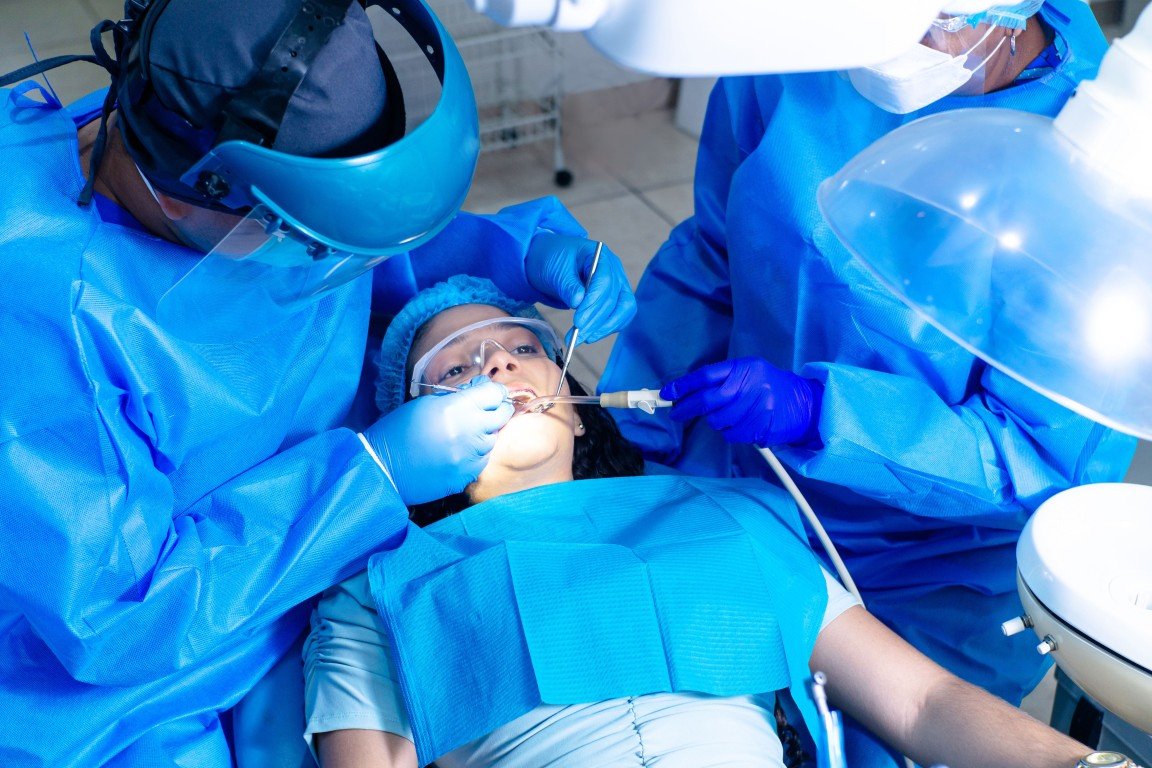
What is Dentoalveolar Surgery?
Dentoalveolar Surgery in Mysore refers to procedures involving the teeth, supporting bone (alveolar bone), and surrounding soft tissues. These surgeries are commonly performed to treat impacted teeth, remove cysts, prepare the mouth for dentures, or correct bone irregularities. It’s a vital part of oral and maxillofacial care, often necessary for restoring oral health and function.
How Do We at APTA Treat It?
At APTA Clinic, dentoalveolar surgeries are performed by experienced oral surgeons using the latest technology and pain-management techniques. Whether it’s a complex wisdom tooth extraction, bone contouring, or surgical exposure of unerupted teeth, each procedure is planned with precision. We ensure minimal trauma, faster recovery, and optimal outcomes through careful diagnostics and post-operative care.
Benefits of the Treatment
Improved Oral Health
and Function
Surgery addresses underlying issues like infections, impacted teeth, or bone irregularities, enhancing overall oral health.
Smooth Foundation for Future Treatments
It prepares the mouth for orthodontics, implants, or dentures by reshaping bone and soft tissue as needed.
Safe and Precise
Treatment
With expert planning and advanced tools, the procedure is safe, controlled, and tailored to your specific needs.
Why Choose APTA for Dentoalveolar Surgery?
APTA Clinic stands out for its blend of surgical expertise, patient comfort, and use of advanced dental technologies. Our oral surgeons are skilled in handling complex procedures with minimal discomfort and downtime. With a focus on precision, hygiene, and compassionate care, we ensure that every patient receives thorough, safe, and effective treatment.
Make Appointment
Expert Guidance, One Appointment Away
Ready to take the next step toward looking and feeling your best? Schedule your consultation with APTA Clinic today. Our experienced specialists are here to guide you with personalized care and expert advice. Whether you’re exploring cosmetic options or seeking advanced treatments, we’ll help you choose what’s right for you. Book your appointment now and let’s begin your journey to enhanced confidence.
Email Address
aptaclinics@gmail.com
Phone Number
+91 7411 707 555
Open Hours
Mon - Sun: 10.30AM - 7.30PM
Office Location
Krishnamurthy puram, Mysore
Personalized Dentoalveolar Care for Better Oral Health & Comfortable Recovery
Dentoalveolar surgery involves surgical procedures that address the teeth, gums, jawbone, and supporting tissues around the teeth. These procedures may be recommended when routine dental treatment is not sufficient to manage a particular condition. Dentoalveolar Surgery in Mysore can help address impacted teeth, difficult tooth removal, cysts, infections, retained roots, bone irregularities, and other conditions involving the tooth-bearing areas of the jaw.
Unlike routine tooth extraction, dentoalveolar procedures may require more detailed surgical planning because the tooth or surrounding bone can have a complex position. The treatment approach depends on the patient’s dental condition, medical history, anatomy, and the specific problem being treated.
If you are considering Dentoalveolar Surgery in Mysore, an assessment by a qualified dental or maxillofacial surgeon can help determine whether a surgical approach is necessary. Appropriate imaging may also be recommended to understand the position of teeth, roots, nerves, and surrounding structures before treatment.
What Is Dentoalveolar Surgery?
Dentoalveolar surgery refers to surgical procedures involving the teeth and the alveolar bone, which is the part of the jaw that supports the teeth. It covers a range of procedures that may be required when a tooth cannot be treated or removed through a straightforward dental approach.
Common procedures can include:
- Surgical removal of impacted teeth
- Complex tooth extraction
- Removal of retained tooth roots
- Treatment of certain dental infections
- Removal of selected cystic lesions
- Management of abnormal bone around teeth
- Surgical exposure of impacted teeth
- Alveolar bone contouring or reshaping
- Procedures associated with selected dental rehabilitation
The exact procedure is selected according to the underlying condition. A comprehensive consultation is therefore an important first step.
When Is Dentoalveolar Surgery Needed?
Not every dental problem requires surgery. However, surgical intervention may be recommended when a tooth is deeply impacted, severely damaged, difficult to access, or associated with infection or another abnormality.
Dentoalveolar Surgery in Mysore may be considered for conditions such as:
Impacted Wisdom Teeth
Wisdom teeth are among the most common reasons for surgical tooth removal. When there is insufficient space for a wisdom tooth to erupt normally, it may become impacted.
An impacted tooth can sometimes cause pain, swelling, gum infection, tooth decay, or damage to neighbouring teeth. In some cases, it may remain asymptomatic but still require monitoring.
Difficult Tooth Extraction
A tooth with unusual roots, extensive decay, previous restoration, or an abnormal position may be difficult to remove using a routine extraction technique. Surgical extraction may allow the tooth to be removed in a controlled manner.
Retained Roots
Broken or retained roots may sometimes need surgical removal, particularly when they are associated with infection, pain, or planned dental treatment.
Dental Infections
Certain infections involving the tooth and surrounding bone may require surgical intervention alongside other appropriate dental treatment. The exact management depends on the source and severity of the infection.
Cysts and Other Lesions
Some cysts or lesions associated with teeth may require surgical removal and laboratory examination. Additional treatment depends on the diagnosis.
Impacted Teeth and Dentoalveolar Surgery
An impacted tooth is one that cannot erupt normally into its expected position. Wisdom teeth are frequently impacted, but other teeth can also be affected.
Impaction may occur because of insufficient space, abnormal tooth position, neighbouring teeth, or developmental factors.
Depending on the situation, the surgeon may recommend removal or surgical exposure of the tooth. In selected cases, orthodontic treatment may then guide the tooth into its appropriate position.
A Best Dentoalveolar Surgery clinic in Mysore should assess the tooth’s position and surrounding anatomy before deciding on the appropriate approach.
Surgical Wisdom Tooth Removal
Wisdom tooth removal can range from a relatively straightforward extraction to a more complex surgical procedure. The complexity depends on whether the tooth is fully erupted, partially impacted, or completely embedded in bone.
Before treatment, dental imaging may be used to determine the position of the tooth and its roots. This is particularly important when the tooth is close to important nerves or other anatomical structures.
During surgery, the dentist or oral and maxillofacial surgeon may make a small incision in the gum and remove a limited amount of surrounding bone if necessary. The tooth may be divided into sections to allow controlled removal.
The surgical site is then cleaned and closed when appropriate.
Benefits of Dentoalveolar Surgery
The potential benefits depend on the condition being treated. Appropriate surgery may help:
- Remove problematic or impacted teeth
- Address recurring dental infections
- Relieve symptoms associated with certain dental conditions
- Protect neighbouring teeth in selected cases
- Remove abnormal tissue or lesions
- Improve conditions before restorative or orthodontic treatment
- Support overall oral health
The purpose of surgery is not simply to remove a tooth. It is to address the underlying dental or bone-related problem while protecting surrounding structures as much as possible.
How Is Dentoalveolar Surgery Planned?
Treatment usually begins with a consultation and clinical examination. The surgeon reviews your symptoms, dental history, previous procedures, and general health.
Imaging may be required depending on the procedure. This can include dental X-rays, panoramic imaging, or three-dimensional scans such as CBCT when detailed information about the tooth and surrounding anatomy is necessary.
The surgeon may assess:
- Tooth position
- Root shape
- Bone density
- Nearby teeth
- Nerve location
- Existing infection
- Bone and gum condition
This information helps determine whether a surgical procedure is necessary and how it should be performed.
What Happens During Dentoalveolar Surgery?
The procedure depends on the condition being treated. Before surgery, the treatment area is prepared and appropriate anesthesia is administered.
For a surgical tooth extraction, the surgeon carefully accesses the tooth and surrounding tissues. If necessary, the tooth may be divided into smaller sections to facilitate removal.
For procedures involving impacted teeth or other lesions, the surgical approach may be more extensive. The surgeon works carefully around surrounding teeth, nerves, blood vessels, and bone.
After the procedure, the area is cleaned and managed according to the surgical requirements. Sutures may be placed when necessary.
The length of the procedure depends on the complexity of the case.
Is Dentoalveolar Surgery Painful?
Appropriate local anesthesia or another form of anesthesia is used during the procedure to minimize pain. You may feel pressure or movement during some procedures, but significant pain during surgery should be controlled.
After the anesthesia wears off, some discomfort, swelling, or tenderness may occur. Your surgeon may recommend medication and specific aftercare measures to manage these symptoms.
The recovery experience varies according to the procedure and the individual’s healing response
Recovery After Dentoalveolar Surgery
Recovery depends on the type and complexity of surgery. Simple procedures may involve relatively short recovery, while more complex surgical extractions can require additional healing time.
After Dentoalveolar Surgery in Mysore, you may be advised to:
- Follow the recommended diet
- Avoid smoking or tobacco
- Maintain appropriate oral hygiene
- Avoid unnecessary touching of the surgical area
- Take prescribed medication as directed
- Avoid strenuous activity for the recommended period
- Attend follow-up appointments
Swelling may increase during the first few days before gradually improving. Your surgical team will explain what to expect based on your specific procedure.
Aftercare and Oral Hygiene
Good aftercare is important for reducing the risk of complications. Follow the instructions provided by your surgeon rather than relying on general online advice.
Depending on the procedure, you may receive instructions regarding brushing, rinsing, eating, and cleaning the treated area.
Avoid disturbing the surgical site. If you have been advised to use a particular mouth rinse or medication, follow the recommended schedule.
Contact your dental or surgical team if you experience persistent bleeding, increasing pain, fever, significant swelling, pus, difficulty swallowing, or other unusual symptoms.
Risks and Possible Complications
Like any surgical procedure, dentoalveolar surgery carries potential risks. The likelihood depends on the procedure, patient’s health, tooth position, and surrounding anatomy.
Potential complications may include:
- Pain
- Swelling
- Bruising
- Bleeding
- Infection
- Delayed healing
- Dry socket after certain extractions
- Temporary or, rarely, longer-lasting nerve changes
- Damage to nearby structures
- Sinus-related complications in selected upper-jaw procedures
Your surgeon should explain the specific risks associated with your procedure before treatment.
Choosing a Best Dentoalveolar Surgery clinic in Mysore with appropriate surgical expertise and facilities can support proper diagnosis, treatment planning, and follow-up.
Dentoalveolar Surgery for Children
Children and adolescents may require dentoalveolar procedures for impacted teeth, retained baby teeth, dental infections, or other developmental concerns.
Because the jaws and teeth are still developing, treatment must be carefully planned. In some situations, early intervention may help create better conditions for normal tooth eruption.
A dental or maxillofacial specialist can determine whether observation, orthodontic management, or surgery is appropriate.
Dentoalveolar Surgery and Orthodontic Treatment
Surgery may sometimes be used alongside orthodontic treatment. For example, an impacted tooth may need to be surgically exposed before orthodontic appliances can guide it into position.
The timing of surgery and orthodontic treatment should be coordinated between the relevant specialists.
This combined approach may be particularly useful when a tooth is unable to erupt naturally but has the potential to be brought into functional alignment.
Why Choose the Best Dentoalveolar Surgery clinic in Mysore?
Surgical dental procedures require more than simply removing a tooth. Proper assessment and treatment planning are important for minimizing risks and protecting surrounding tissues.
When looking for the Best Dentoalveolar Surgery clinic in Mysore, consider:
- Qualifications and experience of the treating specialist
- Appropriate diagnostic imaging
- Modern surgical facilities
- Sterile infection-control practices
- Personalized treatment planning
- Clear explanation of potential risks
- Appropriate anesthesia and pain management
- Post-operative monitoring and follow-up
A good surgical consultation should provide you with a clear understanding of why the procedure is recommended and what alternatives may be available.
Why Choose APTA Clinic?
APTA Clinic provides specialized dental, facial surgery, dermatology, and aesthetic services with a focus on individualized treatment planning.
For patients considering Dentoalveolar Surgery in Mysore, a professional evaluation can help identify the underlying dental or jaw-related problem and determine whether surgery is appropriate.
The treatment approach can be tailored to the individual’s dental anatomy, medical history, symptoms, and long-term oral health goals. Appropriate imaging and surgical planning may be used when required.
Preparing for Dentoalveolar Surgery
Before surgery, inform your specialist about your complete medical and dental history. This should include:
- Current medications
- Allergies
- Existing medical conditions
- Previous surgeries
- Previous reactions to anesthesia
- Pregnancy, when relevant
- Smoking or tobacco use
- Previous dental infections
If you take blood-thinning medication or have a condition affecting bleeding or healing, inform your treating professional before the procedure.
Do not stop prescribed medication without medical advice.
If sedation or general anesthesia is planned, you may receive additional instructions regarding fasting and transportation after treatment.
When Should You Seek Treatment?
You should consider a professional dental evaluation if you have persistent tooth pain, swelling, recurring gum infections, difficulty opening your mouth, an impacted wisdom tooth, or a tooth that has not erupted as expected.
Some impacted teeth may remain symptom-free, so routine dental examinations and imaging can be useful in identifying potential problems early.
Prompt evaluation can help determine whether monitoring or treatment is appropriate.
Book Your Dentoalveolar Surgery Consultation
If you have an impacted tooth, difficult extraction, recurring dental infection, retained root, or another condition involving the teeth and supporting jawbone, professional evaluation can help determine the appropriate treatment.
Dentoalveolar Surgery in Mysore can address a variety of dental and jaw-related conditions when conventional treatment is not sufficient. The procedure should always be planned according to your specific anatomy, diagnosis, and overall health.
APTA Clinic provides personalized dental and facial surgical care with an emphasis on appropriate diagnosis and treatment planning. If you are searching for the Best Dentoalveolar Surgery clinic in Mysore, consider specialist expertise, diagnostic capabilities, surgical safety, and post-operative care when choosing your treatment provider.
Schedule a consultation to discuss your dental concerns and learn whether a dentoalveolar surgical procedure may be suitable for you.
Frequently Asked Questions
Dentoalveolar surgery involves surgical procedures affecting the teeth, alveolar bone, gums, and supporting tissues. It may include impacted tooth removal, complex extractions, surgical exposure of teeth, and treatment of selected dental lesions.
No. Routine extraction is generally straightforward, while dentoalveolar surgery may be required when a tooth is impacted, difficult to access, associated with abnormal bone, or has complex roots.
Recovery varies depending on the procedure. Minor procedures may heal relatively quickly, while complex surgical extractions can require a longer recovery period. Your surgeon will provide procedure-specific guidance.
Yes. Surgical removal of impacted or difficult wisdom teeth is one of the common procedures performed within dentoalveolar surgery.
When appropriately planned and performed by a qualified professional, these procedures can be performed safely. However, risks such as infection, bleeding, swelling, delayed healing, and nerve-related complications may occur.
The type of anesthesia depends on the procedure and individual circumstances. Local anesthesia is commonly used for many procedures, while sedation or other anesthesia options may be considered for selected cases.
Look for qualified specialists, proper diagnostic facilities, appropriate surgical equipment, strong infection-control practices, individualized treatment plans, and reliable follow-up care. A consultation can help you understand the recommended procedure and its risks.