
TMJ Treatment in Mysore
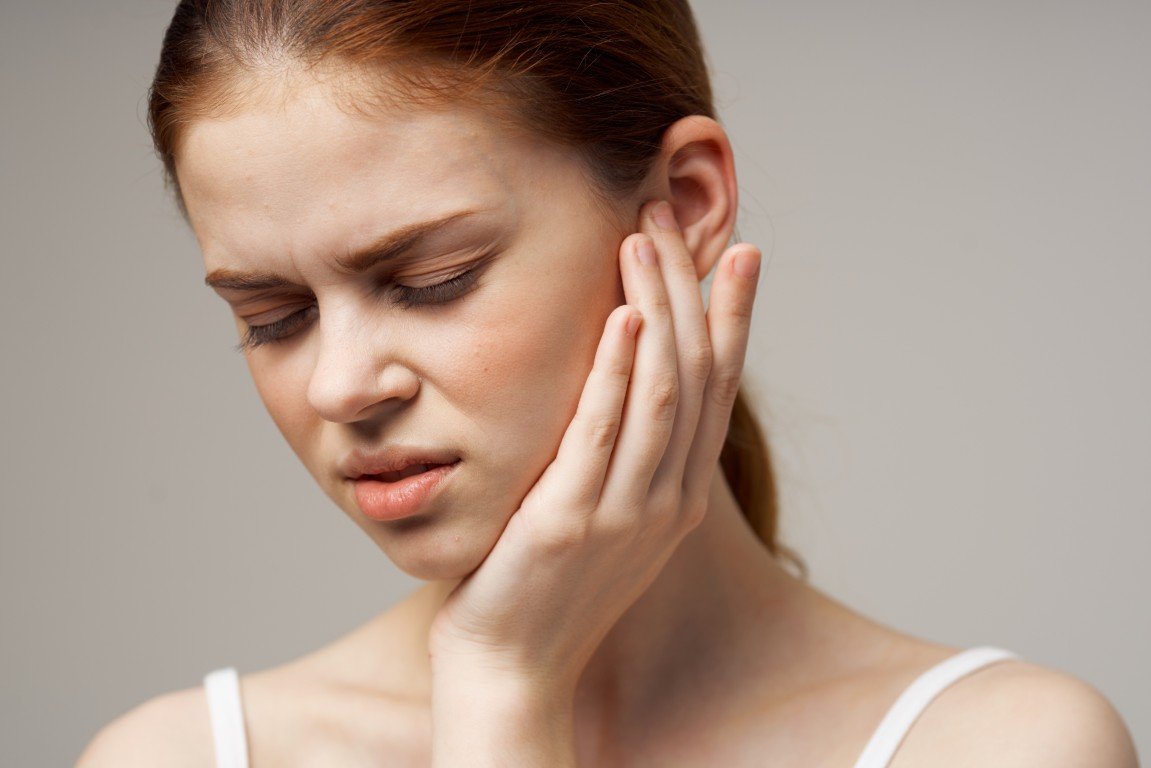
What is Temporomandibular Joint Pain/Dislocation?
TMJ Treatment in Mysore focuses on managing Temporomandibular Joint (TMJ) pain or dislocation, which refers to dysfunction or displacement of the joint that connects your jaw to your skull. This condition can cause difficulty in opening or closing the mouth, jaw pain, clicking or popping sounds, and facial discomfort. TMJ disorders can be caused by trauma, teeth grinding, arthritis, or jaw misalignment.
How Do We at APTA Treat It?
At APTA Clinic, we begin with a thorough assessment including imaging and bite analysis. Treatment may include conservative approaches such as medications, physiotherapy, bite splints, or dental corrections. In more severe cases, minimally invasive procedures or surgery may be recommended to reposition or stabilize the joint. Every treatment plan is customized to relieve pain, restore function, and prevent recurrence.
Benefits of the Treatment
Relief from Chronic Jaw Pain
Effective treatment reduces persistent discomfort and pressure in the jaw, face, and surrounding muscles.
Improved Jaw Function and Alignment
Therapy or intervention restores smooth jaw movement and proper alignment for comfortable everyday use.
Reduced Risk of Recurrence
By addressing underlying causes, treatment helps prevent future dislocations & recurring joint problems.
Why Choose APTA for Temporomandibular Joint Pain/Dislocation?
At APTA Clinic, our specialists combine dental expertise with advanced diagnostic tools to provide targeted TMJ care. With a focus on conservative, evidence-based treatment, we aim for long-term relief with minimal intervention. Our personalized approach ensures your jaw health is restored with precision, care, and comfort.
Make Appointment
Expert Guidance, One Appointment Away
Ready to take the next step toward looking and feeling your best? Schedule your consultation with APTA Clinic today. Our experienced specialists are here to guide you with personalized care and expert advice. Whether you’re exploring cosmetic options or seeking advanced treatments, we’ll help you choose what’s right for you. Book your appointment now and let’s begin your journey to enhanced confidence.
Email Address
aptaclinics@gmail.com
Phone Number
+91 7411 707 555
Open Hours
Mon - Sun: 10.30AM - 7.30PM
Office Location
Krishnamurthy puram, Mysore
Advanced TMJ Care for Relief from Jaw Pain, Stiffness & Discomfort
The temporomandibular joint, commonly known as the TMJ, connects the lower jaw to the skull and plays an important role in chewing, speaking, swallowing, and opening and closing the mouth. Problems affecting this joint can cause jaw pain, clicking sounds, stiffness, headaches, difficulty opening the mouth, or even episodes where the jaw becomes dislocated. TMJ Treatment in Mysore focuses on identifying the underlying cause of the problem and providing an appropriate treatment plan based on the patient’s symptoms, joint condition, and functional requirements.
TMJ problems can range from mild, temporary discomfort to recurring pain and significant jaw dysfunction. Some patients experience symptoms only occasionally, while others may have persistent discomfort that affects eating, speaking, sleeping, or daily activities.
If you are experiencing jaw pain, repeated clicking, locking, or difficulty moving your jaw, a professional assessment can help determine whether the symptoms are related to the temporomandibular joint. TMJ Treatment in Mysore may involve conservative care, lifestyle modifications, medication, physiotherapy, dental management, or surgical treatment in selected cases.
What Is the Temporomandibular Joint?
The temporomandibular joint is a complex joint located on both sides of the face, just in front of the ears. It allows the lower jaw to move in several directions, including opening, closing, sliding, and moving from side to side.
The joint consists of the lower jawbone, the temporal bone of the skull, an articular disc, ligaments, and surrounding muscles. Smooth coordination between these structures is necessary for normal jaw movement.
Because the TMJ is used frequently throughout the day, problems involving the joint or surrounding muscles can significantly affect quality of life.
What Is TMJ Disorder?
TMJ disorders are a group of conditions affecting the temporomandibular joint, jaw muscles, or structures surrounding the joint. These disorders can have different causes and symptoms.
Common symptoms include:
- Jaw pain or tenderness
- Pain around the ear
- Clicking or popping sounds
- Difficulty opening the mouth
- Jaw stiffness
- Jaw locking
- Difficulty chewing
- Headaches
- Facial pain
- Changes in the bite
- Pain while yawning
- Recurrent jaw dislocation
Not every clicking sound indicates a serious TMJ problem. However, clicking accompanied by pain, locking, restricted movement, or functional difficulties should be professionally assessed.
What Causes TMJ Problems?
TMJ problems can develop for several reasons. In some patients, there may be more than one contributing factor.
Potential causes and contributing factors include:
Jaw Injury
An injury to the jaw or face can damage the joint or surrounding structures. Trauma may also increase the risk of recurrent dislocation.
Teeth Grinding and Clenching
Repeatedly clenching or grinding the teeth can place additional stress on the jaw muscles and TMJ. This may contribute to muscle fatigue, tenderness, and discomfort.
Arthritis
Certain types of arthritis can affect the temporomandibular joint and contribute to pain, stiffness, and changes in joint function.
Joint Disc Problems
The small disc inside the TMJ helps facilitate smooth movement. Changes in the position or function of this disc can sometimes cause clicking, locking, or pain.
Excessive Jaw Movement
Repeated wide opening of the mouth, such as during a large yawn or certain dental procedures, may contribute to jaw dislocation in susceptible individuals.
Structural Differences
Differences in jaw anatomy or joint structure can influence how the TMJ functions and may contribute to recurring symptoms.
What Is TMJ Dislocation?
TMJ dislocation occurs when the lower jaw moves out of its normal position within the joint. This can happen when the mouth is opened excessively or after trauma.
A person experiencing dislocation may be unable to close their mouth normally. There may also be significant pain, difficulty speaking, excessive salivation, and anxiety because the jaw feels stuck.
Recurrent dislocation can occur in some individuals. When dislocations happen repeatedly, further assessment may be required to identify the underlying reason and reduce the likelihood of recurrence.
TMJ Treatment in Mysore for dislocation depends on whether the episode is isolated or recurrent and whether there are underlying structural or functional factors.
Symptoms of TMJ Dislocation
A dislocated jaw may cause:
- Sudden inability to close the mouth
- Severe jaw discomfort
- Difficulty speaking
- Difficulty swallowing
- Facial discomfort
- Abnormal jaw position
- Excessive salivation
- Muscle spasm around the jaw
A suspected dislocation requires prompt professional treatment. Patients should not attempt forceful self-repositioning of the jaw.
When Should You See a TMJ Specialist?
You should consider professional evaluation if you experience:
- Persistent jaw pain
- Repeated clicking accompanied by pain
- Difficulty opening or closing the mouth
- Jaw locking
- Recurrent jaw dislocation
- Pain while chewing
- Frequent headaches associated with jaw symptoms
- Facial or ear-area pain without another clear cause
- A sudden change in your bite
Early assessment can help determine whether symptoms are related to the TMJ, jaw muscles, teeth, or another condition.
How Is TMJ Disorder Diagnosed?
A detailed examination is an important part of TMJ Treatment in Mysore. The specialist may evaluate the movement of the jaw, facial muscles, joint sounds, bite, and areas of tenderness.
The assessment may include:
- Medical history
- Dental history
- Jaw movement examination
- Assessment of joint sounds
- Evaluation of bite
- Muscle tenderness assessment
- Facial examination
- Imaging when necessary
Depending on the suspected condition, imaging may include X-rays, panoramic imaging, CT or CBCT scans, or MRI. MRI can be useful for assessing the soft-tissue structures and disc within the joint when clinically indicated.
TMJ Treatment Options
Treatment depends on the underlying condition and severity of symptoms. Not every TMJ problem requires surgery.
Lifestyle and Jaw Care
For mild symptoms, modifications may help reduce stress on the joint. These may include avoiding excessive chewing, limiting very hard foods, avoiding unnecessary wide mouth opening, and following appropriate jaw exercises when recommended.
Medication
Depending on the patient’s condition, a healthcare professional may recommend medications to help manage pain or inflammation. Medication should be used according to professional advice.
Physiotherapy
Specific jaw and neck exercises may help improve movement and reduce muscle tension in selected patients. Physiotherapy should be individualized rather than based on generic exercises.
Dental Management
If tooth grinding, bite-related concerns, or other dental factors are contributing to symptoms, appropriate dental management may be incorporated into the treatment plan.
Treatment for Recurrent Dislocation
Patients with repeated dislocations may require a more specialized evaluation. Treatment can range from conservative approaches to procedures intended to reduce excessive joint movement or address structural factors.
Surgical Treatment
Surgery may be considered when symptoms are severe, persistent, associated with structural joint damage, or do not respond adequately to appropriate conservative treatment.
The type of surgery depends on the specific TMJ condition.
TMJ Dislocation Treatment
Acute dislocation requires appropriate professional management to return the jaw to its normal position. After an initial dislocation, the specialist may also assess why the event occurred and whether there is a risk of recurrence.
For recurrent cases, TMJ Dislocation Treatment in Mysore may involve conservative measures, behavioral modifications, physiotherapy, or selected surgical procedures.
The most appropriate treatment depends on factors such as the frequency of dislocations, jaw anatomy, previous treatment, and overall joint health.
Patients should seek prompt medical attention rather than trying to force the jaw back into position themselves.
Treatment for TMJ Pain
TMJ pain can originate from the joint itself, surrounding muscles, or a combination of factors. Therefore, identifying the source of pain is important before treatment.
Depending on the cause, treatment may involve:
- Jaw rest
- Dietary modification
- Medication
- Physiotherapy
- Stress and clenching management
- Dental care
- Joint-specific procedures
- Surgery in selected cases
The objective is to reduce pain while restoring comfortable jaw function.
Is TMJ Surgery Always Necessary?
No. Many TMJ problems can initially be managed without surgery. The treatment approach depends on the diagnosis and severity of symptoms.
Surgery may be considered when there is significant structural damage, persistent dysfunction, recurrent dislocation, or inadequate response to appropriate conservative treatment.
A specialist should explain the available alternatives before recommending an invasive procedure.
What Happens During TMJ Surgery?
The specific surgical technique depends on the condition being treated. Some procedures may involve accessing the joint through minimally invasive approaches, while others may require more extensive surgery.
The objective may be to address damaged joint structures, improve joint movement, treat selected internal abnormalities, or reduce recurrent dislocation.
The procedure, anesthesia, expected recovery, and potential risks should be discussed during the consultation.
Is TMJ Treatment Safe?
The safety of treatment depends on the specific procedure and the patient’s overall health. Conservative treatments generally have different risks from surgical interventions.
Potential surgical complications can include infection, bleeding, scarring, temporary or persistent changes in sensation, changes in jaw movement, or other complications depending on the procedure.
A qualified specialist should explain the individual risk profile before treatment.
When selecting the Best TMJ Treatment Clinic in Mysore, consider specialist expertise, accurate diagnosis, appropriate imaging, individualized treatment planning, and follow-up care.
Recovery After TMJ Treatment
Recovery depends on the type of treatment provided. Patients undergoing conservative management may gradually resume normal activities as symptoms improve.
After surgical treatment, recovery may involve temporary swelling, tenderness, restricted jaw movement, and dietary modifications.
Patients should follow their specialist’s instructions regarding:
- Jaw exercises
- Diet
- Medication
- Oral hygiene
- Physical activity
- Follow-up visits
Do not force the jaw beyond the range recommended by your treating professional.
Why Choose the Best TMJ Treatment Clinic in Mysore?
TMJ disorders can have multiple causes, making accurate diagnosis especially important. Treating symptoms without understanding the underlying condition may not provide lasting relief.
When choosing the Best TMJ Treatment Clinic in Mysore, consider:
- Specialist experience in facial and jaw conditions
- Comprehensive TMJ evaluation
- Appropriate diagnostic imaging
- Personalized treatment planning
- Conservative treatment options
- Surgical expertise when required
- Clear communication regarding risks and benefits
- Post-treatment follow-up
A proper treatment plan should be based on the patient’s symptoms, joint condition, functional requirements, and long-term goals.
Why Choose APTA Clinic?
APTA Clinic provides facial surgery and specialized care with an emphasis on individualized assessment and treatment planning. TMJ conditions can vary significantly between patients, so understanding the cause of symptoms is an important part of treatment.
For patients considering TMJ Treatment in Mysore, a consultation can help assess jaw movement, joint symptoms, facial structures, and other factors that may be contributing to discomfort.
Depending on the diagnosis, treatment may involve conservative care, physiotherapy, dental coordination, management of recurrent dislocation, or surgical intervention when appropriate.
Preventing TMJ Problems
Although not every TMJ condition can be prevented, certain habits may help reduce unnecessary stress on the joint.
Consider:
- Avoiding excessive gum chewing
- Avoiding unnecessarily wide mouth opening
- Eating softer foods during painful episodes
- Managing teeth clenching where possible
- Following recommended jaw exercises
- Wearing a mouthguard only when appropriately advised
- Seeking treatment for persistent symptoms
If you frequently experience jaw locking or dislocation, professional evaluation is particularly important.
Book a TMJ Consultation
Persistent jaw pain, locking, clicking with discomfort, or recurrent dislocation should not be ignored. Early assessment can help identify the underlying problem and determine an appropriate treatment strategy. TMJ Treatment in Mysore is tailored according to the patient’s symptoms, joint condition, and functional needs.
APTA Clinic provides personalized facial surgery and specialized care focused on detailed evaluation and appropriate treatment planning. If you are searching for the Best TMJ Treatment Clinic in Mysore, consider specialist experience, diagnostic capabilities, treatment options, safety, and follow-up care when choosing a provider.
For patients experiencing recurrent jaw dislocation, TMJ Dislocation Treatment in Mysore can help address the immediate problem and evaluate factors that may contribute to repeated episodes.
Schedule a consultation at APTA Clinic to discuss your jaw pain, clicking, locking, or dislocation symptoms and understand the treatment options suitable for your condition.
Frequently Asked Questions
TMJ treatment involves managing conditions affecting the temporomandibular joint and surrounding muscles. Depending on the diagnosis, treatment may include lifestyle changes, medication, physiotherapy, dental management, or surgery.
TMJ pain can result from joint inflammation, muscle tension, teeth grinding or clenching, injury, arthritis, disc-related problems, or other structural factors. A professional evaluation is needed to determine the cause.
A dislocated jaw requires prompt professional attention. Do not attempt forceful self-repositioning. Seek medical or specialist care so the jaw can be appropriately assessed and managed.
No. Many TMJ conditions can initially be managed conservatively. Surgery is generally considered for selected patients with persistent symptoms, significant structural problems, recurrent dislocation, or inadequate response to appropriate non-surgical treatment.
TMJ disorders and associated jaw-muscle tension can be associated with headaches in some individuals. However, headaches can have many causes, so persistent or severe headaches should receive appropriate medical evaluation.
Treatment duration varies significantly. Mild symptoms may improve with conservative care, while recurrent or structural conditions may require longer-term management or surgery followed by rehabilitation.
Look for a clinic with appropriate expertise in TMJ and facial conditions, detailed assessment, suitable imaging facilities, individualized treatment options, and structured follow-up. Ask about both non-surgical and surgical alternatives where relevant.