
Scar Reduction Treatment in Mysore
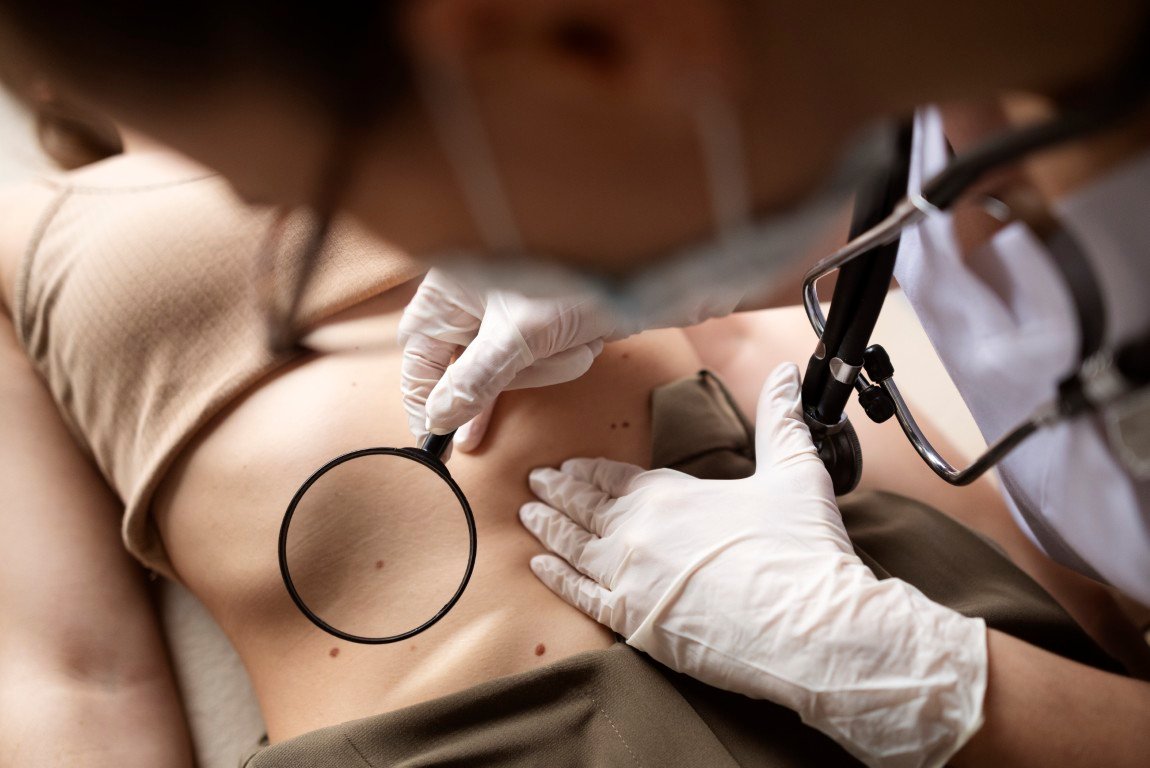
What is Scar Reduction?
Scar Reduction Treatment in Mysore refers to medical and aesthetic treatments aimed at minimizing the appearance of scars resulting from injuries, surgeries, acne, or skin conditions. While scars are a natural part of the healing process, their visibility, texture, or discomfort can impact one’s confidence and quality of life. Scar reduction treatments help smooth, fade, and blend scar tissue with the surrounding skin for a more even and refined appearance.
How Do We at APTA Treat It?
At APTA Clinic, our approach to scar reduction is comprehensive and personalized. After a detailed skin assessment, we recommend suitable procedures based on scar type, depth, and skin tone. Treatments may include laser therapy, microneedling, chemical peels, dermabrasion, or injectable treatments. Our experienced dermatologists and cosmetic surgeons use advanced techniques to safely stimulate collagen production, smoothen skin texture, and reduce pigmentation for optimal results.
Benefits of the Treatment
Improved Skin Texture
Scar reduction treatments help resurface the skin, reducing roughness and irregularities for a smoother, more even finish.
Boosted Confidence
Faded scars can significantly improve self-image and emotional well-being, allowing you to feel more comfortable in your skin.
Minimized Discoloration
Techniques like lasers and peels target pigmentation, helping scars blend more naturally with your original skin tone.
Why Choose APTA for Scar Reduction?
APTA Clinic blends medical expertise with aesthetic precision to deliver exceptional scar reduction outcomes. Our team of board-certified professionals tailors each treatment plan using state-of-the-art technology to ensure comfort, safety, and long-lasting results. With a commitment to enhancing natural beauty, we focus not just on healing the skin, but restoring your confidence.
Make Appointment
Expert Guidance, One Appointment Away
Ready to take the next step toward looking and feeling your best? Schedule your consultation with APTA Clinic today. Our experienced specialists are here to guide you with personalized care and expert advice. Whether you’re exploring cosmetic options or seeking advanced treatments, we’ll help you choose what’s right for you. Book your appointment now and let’s begin your journey to enhanced confidence.
Email Address
aptaclinics@gmail.com
Phone Number
+91 7411 707 555
Open Hours
Mon - Sun: 10.30AM - 7.30PM
Office Location
Krishnamurthy puram, Mysore
Personalized Scar Reduction Care for Smoother, Clearer & Healthier-Looking Skin
Scars are a natural part of the healing process after injuries, burns, acne, infections, or surgical procedures. While some scars become less noticeable over time, others may remain prominent, raised, depressed, discoloured, or uneven. They can sometimes affect confidence and, in certain cases, cause itching, discomfort, tightness, or restricted movement. Scar Reduction Treatment in Mysore offers personalized options to improve the appearance and texture of different types of scars while considering the cause, location, age, and characteristics of the scar.
Scar treatment is not a single procedure. Different scars respond differently to different approaches. A flat surgical scar may require a different treatment from a raised hypertrophic scar, an acne scar, or a contracture following a burn. A specialist evaluation is therefore important before deciding on a treatment.
If you are considering Scar Reduction Treatment in Mysore, a consultation can help determine the type of scar you have and identify an appropriate treatment plan based on your skin condition and individual goals.
What Is Scar Reduction Treatment?
Scar reduction refers to a group of medical, dermatological, and surgical techniques used to make scars less noticeable or improve their texture, colour, thickness, and flexibility.
The objective is not always to completely eliminate a scar. In many cases, complete removal is not possible because scar tissue is a permanent part of the healing process. Instead, treatment aims to make the scar blend more naturally with the surrounding skin.
Depending on the scar, treatment may involve:
- Topical treatments
- Silicone-based scar management
- Laser procedures
- Microneedling
- Chemical peels for selected scars
- Steroid injections for certain raised scars
- Scar revision surgery
- Dermabrasion or resurfacing procedures
- Combination treatments
The most suitable approach depends on the scar’s characteristics and the patient’s skin type.
What Causes Scars?
Scars develop when the deeper layers of the skin are damaged and the body repairs the affected area. The healing process produces collagen and other connective tissue, which can form a scar.
Common causes include:
- Acne
- Surgical incisions
- Accidental injuries
- Burns
- Cuts and wounds
- Infections
- Skin conditions
- Piercings
- Previous cosmetic procedures
The final appearance of a scar can depend on the depth of the original injury, location, genetics, skin type, healing process, and how the wound was managed.
Types of Scars
Understanding the type of scar is important when planning Scar Reduction Treatment in Mysore.
Atrophic Scars
Atrophic scars appear depressed or sunken compared with the surrounding skin. They are commonly associated with acne and certain previous skin infections.
Treatment may include procedures designed to stimulate collagen production and improve the transition between the scar and surrounding skin.
Hypertrophic Scars
Hypertrophic scars are raised scars that remain within the boundaries of the original wound. They can become thick, firm, itchy, or uncomfortable.
Treatment may include silicone therapy, injections, laser-based procedures, or other approaches depending on the scar.
Keloid Scars
Keloids are raised scars that extend beyond the original wound. They may continue growing after the injury has healed.
Because keloids can recur, treatment should be carefully planned. Options may include injections, pressure therapy, laser treatment, or surgery combined with additional measures when appropriate.
Contracture Scars
Contracture scars can occur after significant burns or injuries. They may tighten the skin and, depending on their location, restrict movement.
Some contracture scars require reconstructive or scar revision surgery to improve flexibility and function.
Surgical Scars
Surgical procedures necessarily involve incisions, which can leave scars. The appearance of a surgical scar depends on factors such as incision placement, healing, skin type, genetics, and wound care.
Selected surgical scars may become less noticeable through non-surgical scar management or revision procedures.
Acne Scar Reduction
Acne scars can remain long after active acne has improved. They may appear as pits, depressions, uneven texture, or changes in pigmentation.
Different types of acne scars require different treatment strategies.
Possible treatments include:
- Microneedling
- Laser resurfacing
- Chemical peels
- Subcision for selected depressed scars
- Dermabrasion
- Combination procedures
The treatment selected depends on the depth and type of acne scarring, skin condition, and previous treatments.
Scar Reduction After Surgery
Surgical scars often improve naturally during the months following an operation. However, some scars may remain noticeable or develop abnormal thickness.
Patients should allow sufficient time for the scar to mature before considering certain treatments unless there is a specific medical reason for earlier intervention.
Depending on the scar, treatment may include silicone products, laser-based procedures, injections, or surgical revision.
Patients should not apply unapproved products or aggressively massage a healing surgical wound without medical guidance.
Scar Reduction After Burns
Burn injuries can cause complex scars because they may involve deeper layers of skin. Burn scars may become thick, tight, raised, or discoloured.
Severe burn scars can sometimes affect movement, particularly when they cross joints or other areas that require flexibility.
Treatment may include:
- Silicone therapy
- Pressure garments
- Laser treatment
- Injections
- Physical therapy
- Scar revision
- Reconstructive surgery
For patients with extensive burn-related scarring, treatment may require a long-term, multidisciplinary approach.
How Is Scar Treatment Planned?
Before Scar Reduction Treatment in Mysore, a specialist examines the scar carefully.
The evaluation may consider:
- Scar type
- Scar age
- Scar size
- Scar depth
- Colour
- Texture
- Thickness
- Location
- Skin type
- Previous treatments
- Symptoms such as itching or pain
- Functional limitations
The specialist may also ask how the scar developed and how it has changed over time.
This information helps determine whether the goal should be improving texture, reducing thickness, correcting pigmentation, restoring movement, or revising the scar surgically.
Non-Surgical Scar Treatments
Many scars can be managed without surgery.
Silicone-Based Treatment
Silicone sheets or gels may be recommended for certain scars, particularly raised scars. They can help improve scar texture and appearance when used consistently as directed.
Laser Treatment
Laser-based treatments may be used for selected scars to improve texture, colour, redness, or thickness.
Different laser technologies target different scar characteristics, so the appropriate device depends on the patient’s condition.
Microneedling
Microneedling creates controlled microscopic injuries in the skin to stimulate the body’s wound-healing response and collagen production.
It may be considered for selected depressed acne scars and textural irregularities.
Injections
Certain raised scars may be treated with medication injected directly into the scar tissue. This can help reduce thickness and symptoms in appropriately selected cases.
Repeated sessions may sometimes be required.
Surgical Scar Revision
Some scars may be too large, restrictive, or structurally irregular to respond adequately to non-surgical treatments.
Scar revision surgery involves removing or modifying the existing scar and carefully closing the area to create a more favorable scar.
Surgical revision does not eliminate the possibility of another scar. Instead, the objective is to improve the position, shape, width, or appearance of the existing scar.
Scar revision may be considered for:
- Wide scars
- Irregular scars
- Contracture scars
- Certain traumatic scars
- Some poorly healed surgical scars
The surgeon will determine whether revision is appropriate after assessing the scar.
Benefits of Scar Treatment
The potential benefits of Scar Reduction Treatment in Mysore depend on the type and severity of the scar.
Treatment may help:
- Reduce scar thickness
- Improve skin texture
- Reduce redness or pigmentation
- Make depressed scars less noticeable
- Improve flexibility
- Reduce itching or discomfort in selected scars
- Improve the overall appearance of the affected area
- Restore function when a scar causes restriction
Results vary between patients, and no treatment can guarantee complete scar elimination.
Is Scar Reduction Treatment Safe?
Scar treatments are generally performed safely when the appropriate procedure is selected and carried out by a qualified professional. However, every treatment has potential risks.
Depending on the procedure, possible side effects may include:
- Temporary redness
- Swelling
- Bruising
- Skin irritation
- Changes in pigmentation
- Infection
- Delayed healing
- Scarring
- Recurrence of raised scars
- Temporary discomfort
Some treatments may carry additional risks for certain skin types. A detailed assessment helps the specialist select an appropriate treatment and minimize avoidable complications.
What Can You Expect During Treatment?
The experience depends on the selected procedure.
For topical treatment, the specialist may provide instructions for regular application over a specified period.
For procedures such as laser treatment or microneedling, the area may be cleansed and prepared before treatment. A numbing cream or other pain-control method may be used when appropriate.
For surgical scar revision, anesthesia is used and the scar is surgically revised according to the treatment plan.
The number of sessions required depends on the scar and treatment method.
Recovery After Scar Treatment
Recovery varies according to the procedure.
After non-surgical treatments, patients may experience temporary redness, swelling, sensitivity, or mild discomfort. These effects generally settle according to the treatment used.
After surgical scar revision, recovery involves wound care and protection of the treated area. Patients may need to avoid strenuous activity for a specific period.
Following all post-treatment instructions is important for achieving the best possible healing response.
How Long Do Scar Treatment Results Take?
Scar improvement is usually gradual. Collagen remodeling and scar maturation can take several months.
Some treatments require multiple sessions, particularly when treating acne scars or complex textural irregularities.
Patients should maintain realistic expectations and understand that the goal is generally scar reduction, not perfect removal.
Your specialist can provide a more individualized estimate after evaluating the scar.
Choosing a Scar Reduction Treatment Clinic in Mysore
Choosing the appropriate clinic is an important part of scar management. When looking for a Scar Reduction Treatment Clinic in Mysore, consider the specialist’s qualifications, experience with different types of scars, available treatment options, clinical facilities, and follow-up care.
A good treatment plan should begin with diagnosis rather than simply selecting a procedure based on advertisements.
When evaluating a clinic, consider:
- Specialist qualifications
- Experience with scar treatment
- Availability of surgical and non-surgical options
- Personalized treatment planning
- Appropriate clinical facilities
- Clear communication about expected results
- Discussion of potential risks
- Follow-up support
Why Choose APTA Clinic?
APTA Clinic offers aesthetic, dermatological, and plastic surgery services with an individualized approach to patient care.
Scars can vary considerably in their appearance and underlying structure. A treatment that works well for one type of scar may not be appropriate for another. Therefore, patients considering Scar Reduction Treatment in Mysore can benefit from a detailed assessment before choosing a procedure.
The treatment approach can be selected according to the scar’s type, location, severity, skin characteristics, and the patient’s aesthetic or functional concerns.
If you are searching for a Scar Reduction Treatment Clinic in Mysore, a consultation can help you understand which treatment options may be appropriate for your scar and what type of improvement can realistically be expected.
Preparing for Scar Treatment
Before treatment, tell your specialist about:
- Previous scar treatments
- Current medications
- Allergies
- Previous surgeries
- Skin conditions
- History of keloids
- Previous reactions to cosmetic procedures
- Any active infection around the treatment area
If you have a history of abnormal scar formation, inform your specialist because this can influence treatment planning.
Avoid self-treating a scar with aggressive creams, chemical products, or home procedures without professional guidance.
How to Support Healthy Scar Healing
Appropriate wound care can influence the final appearance of a new scar.
General measures may include:
- Keeping wounds clean as instructed
- Following dressing instructions
- Avoiding unnecessary picking or scratching
- Protecting healing skin from excessive sunlight
- Using recommended scar-care products
- Maintaining good nutrition
- Following activity restrictions after surgery
Sun protection is particularly important because ultraviolet exposure can make some scars more visibly pigmented.
Scar Removal vs Scar Reduction
Patients often search for Scar Removal Treatment in Mysore expecting complete disappearance of a scar. However, it is important to understand that scars generally cannot be completely erased.
The goal of Scar Removal Treatment in Mysore is typically to reduce the visibility of the scar and improve its texture, colour, thickness, or contour.
In some cases, surgical revision can replace an unfavorable scar with a more carefully positioned or less noticeable scar. The final result depends on individual healing.
Book a Scar Consultation
Scars can affect appearance, confidence, comfort, and sometimes physical function. Scar Reduction Treatment in Mysore offers a range of treatment approaches designed to improve the appearance and characteristics of different scars.
APTA Clinic provides personalized aesthetic, dermatological, and plastic surgery care based on individual scar characteristics and treatment goals. If you are considering Scar Reduction Treatment in Mysore, a professional evaluation can help determine whether non-surgical treatment, surgical revision, or a combination approach is appropriate.
If you are looking for a Scar Reduction Treatment Clinic in Mysore, focus on specialist expertise, appropriate treatment options, safety, realistic expectations, and follow-up support. Contact APTA Clinic to schedule a consultation and discuss your scar concerns with a qualified specialist.
Frequently Asked Questions
Most scars cannot be completely eliminated because scar tissue forms as part of the body’s natural healing process. However, appropriate treatment can often make scars less noticeable and improve their texture, thickness, colour, or flexibility.
There is no single best treatment for every scar. The appropriate option depends on whether the scar is raised, depressed, discoloured, thick, irregular, or restrictive. A specialist evaluation is necessary before selecting treatment.
The number of sessions varies according to the type of scar and treatment method. Some scars may improve with one procedure, while others require multiple sessions or a combination of treatments.
Yes. Old scars can sometimes be improved, although the response depends on the scar’s age, type, depth, and characteristics. A specialist can assess whether treatment is likely to provide meaningful improvement.
No. Laser treatment is useful for selected scars but is not appropriate for every scar or every skin type. The specialist should determine the most suitable laser technology and treatment settings after evaluation.
Scar reduction focuses on making a scar less noticeable by improving its texture, colour, thickness, or contour. Complete scar removal is generally not possible because healing naturally creates scar tissue.
Look for qualified specialists, experience treating different types of scars, appropriate treatment facilities, personalized planning, realistic communication about outcomes, and proper follow-up care.